// ENGADGET — INTELLIGENZA ARTIFICIALE
This prototype camera is fighting the good fight against AI photography
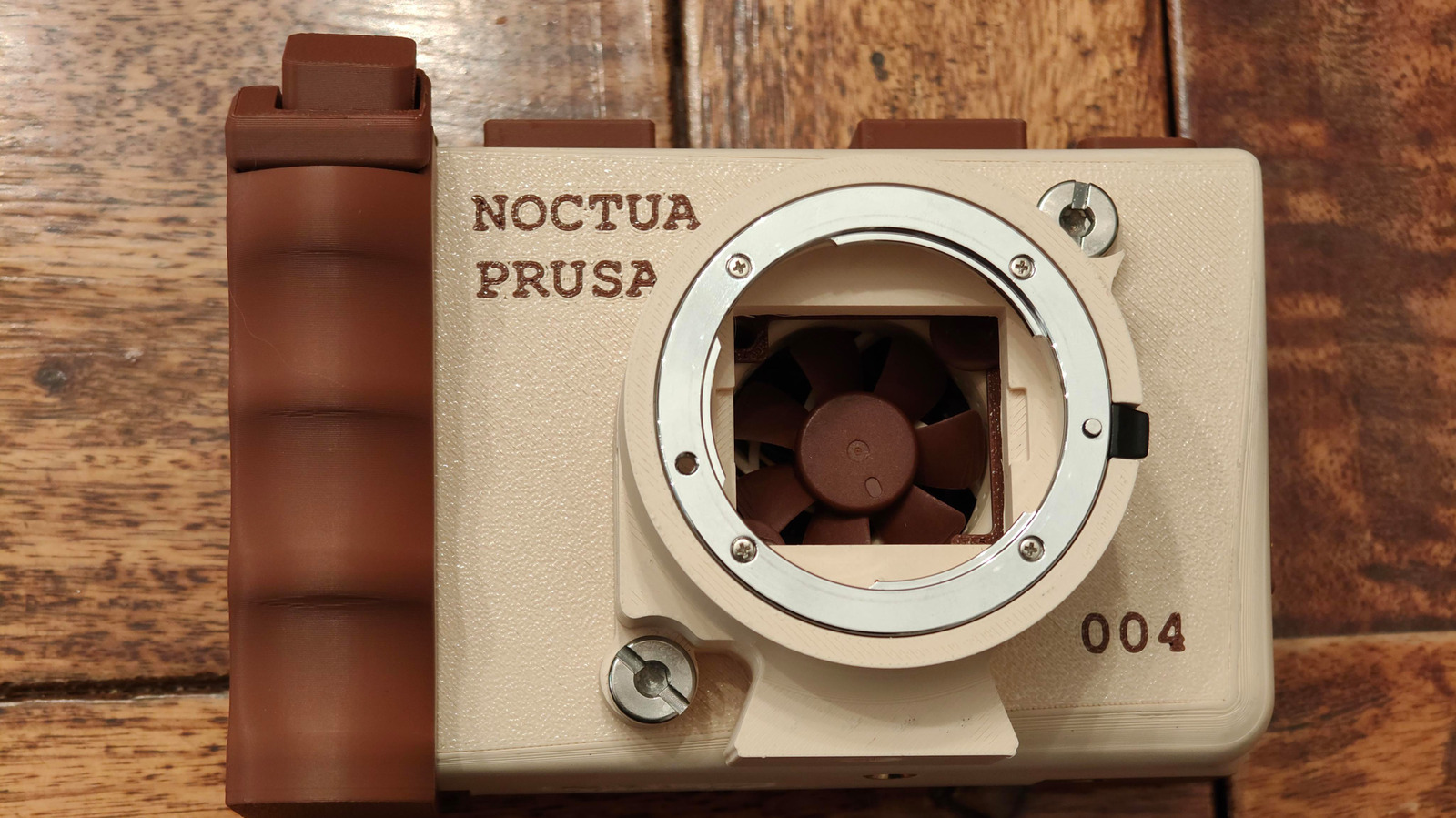
If video killed the radio star, then AI slop returned the favor. At least, that is what Josh Cowell, founder of camera maker CAIM1, will tell you. Short for Counter Artificial Intelligence Machine 1, the startup is working to reestablish our collective faith in the validity of images through its latest prototype: a camera that embeds cryptographic proof of a photo's authenticity directly into the image. As Cowell described in a blog post by the startup's silicon chip provider, Tropic Square, "the traditional photograph is dead, and designing a secure camera to replace it is an exercise in healthy paranoia."
When you take a photo using its prototype, CAIM1's internal chip creates a unique silicon fingerprint that certifies when, where, and with which camera the photo was taken. This verification is then tied to a unique, anonymous blockchain signature, creating an auditable pipeline for researchers and general viewers to authenticate.
Damaging deepfakes have proliferated across our digital sphere. In a report by the European Parliament, social media deepfakes have doubled every six months since 2023, reaching an estimated 8 million in 2025. If current trajectories hold, Europol projects that 90 percent of online content will be AI-generated by the end of the year. Meanwhile, firms like xAI, Google, Meta and Apple have come under legal fire for neglecting to rein AI-sparked disinformation. Lax safeguards have enabled the systematic spread of nonconsensual sexual deepfakes, with Europol estimating that 98 percent of deepfakes were pornographic.
CAIM1 hopes its camera will help combat the trend. Still in the prototype phase, CAIM1 expects its flagship camera to be released sometime in the first quarter of 2027. According to founder Josh Cowell, "CAIM1 is ultimately just the foundation of a comprehensive, verifiable infrastructure we are developing designed to aid digital truth."
CAIM1's authentication process begins with its silicon chip, the Tropic01, which Tropic Square describes on its website as the "world's first auditable secure element." When CAIM1 snaps a photo, light photons pass through a "digital vault" on their way to its sensors, creating hardware-level verification embedded directly in the image. Because of irregularities in the silicon chip's manufacturing process, no two digital fingerprints are the same, ensuring that each signature is wholly unique.
Once captured, verification is stored on what CAIM1 describes as an "immutable decentralized infrastructure," creating an unchangeable, auditable, anonymous record verifying its validity. To protect users' information, CAIM1 encrypts this sensitive data through advanced physical noise systems and internal encryption methods, deploying digital tripwires and advanced encryption to prevent outside access via stolen encryption keys or brute force attacks.
Of course, CAIM1 isn't the only company investing in hardware-led photographic verification. Apple for instance, launched hardware attestation for its iPhone 18 Pro and 18 Pro Max's through its Reference Image system. Sony, Canon and Nikon, meanwhile, announced a joint initiative to embed digital signatures in their camera's photographs in 2024.
However, CAIM1's founder explained in a blog post by Tropic Square that the company's cameras are more transparent than its competitors, as Tropic Square's chips allow both researchers and the general public to "audit its internal architecture." Comparatively, competitors require "users to place blind faith in a single corporate entity's closed ecosystem," said Cowell.
The camera can also create a physical receipt for every image. The paper includes a permanent QR code to access the photo, a blockchain reference number, critical information such as the date, time, and location of the photograph, and a unique access code enabling digital access to the photograph.
In building CAIM1, developers needed to find a means of reducing the heat caused by its processors, as excess