// ARS TECHNICA — MOBILE & WEB
Winemakers are learning that conservation can be good for business
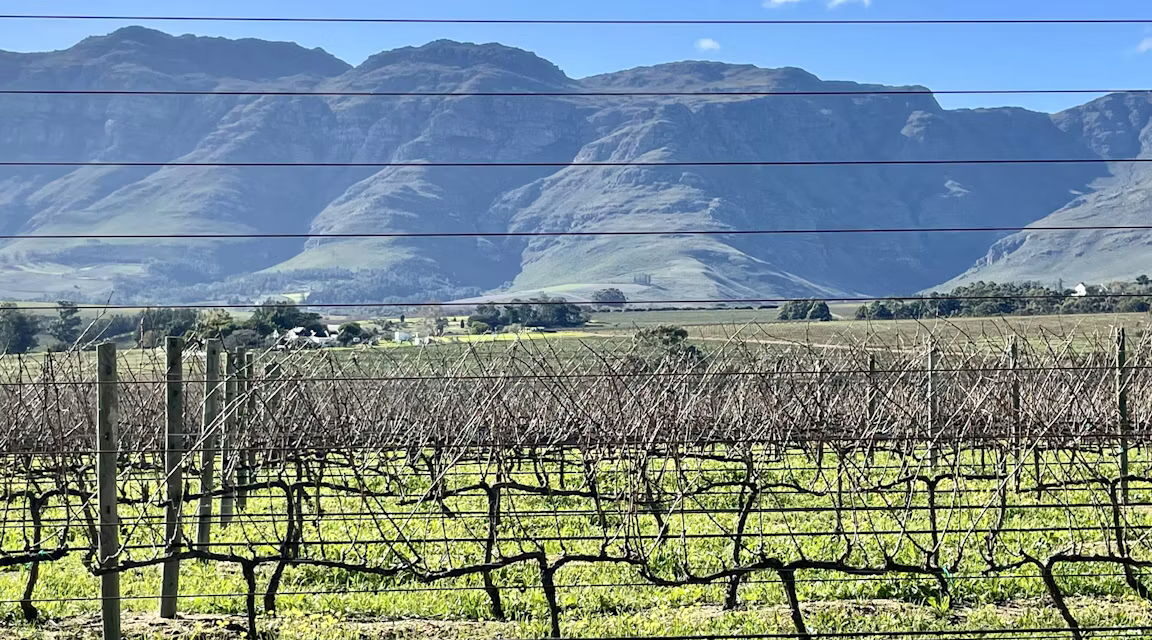
Healthy soils, native plants, and fewer chemicals are helping vineyards adapt.
More than 500 vineyards are scattered across the slopes and valleys of South Africa’s Western Cape, one of the world’s most biologically diverse landscapes. The region produces about 90 percent of South Africa’s wine, but winemakers there are increasingly struggling with drought, excessive heat and erratic rainfall.
Temperatures in the region have risen 1.5 to 2 times faster than the global average over the past five decades. And extreme storms have become more intense as climate variability increases. The late 2010s brought a significant challenge for winemakers, as three years of severe drought placed vineyards under intense stress and reduced grape production.
As climate variability places increasing pressure on grape production, many wine producers are building on sustainability measures that have long been part of vineyard management.
We are a team of geographers and sustainability scientists who study environmental change, environmental health, conservation, agriculture and land management. Our team wanted to better understand how farmers in South Africa’s wine-producing regions are responding as a range of environmental and economic pressures rise. We talked with growers, conservation practitioners and wine industry experts in the Western Cape and analyzed how 107 vineyards, about 20% of the total, were using sustainable land stewardship practices to adapt.
In many agricultural landscapes, production and conservation goals are frequently viewed as competing priorities. But our research found that many vineyard operators in the Western Cape see long-term stewardship and conservation of soil and wildlife habitat as essential strategies for business success.
The Western Cape is home to the Cape Floral Region, a global biodiversity hot spot. It includes fynbos, a unique biome containing thousands of endemic plant species, including types of proteas, ericas and restios that are found nowhere else on Earth.
Sustainability certification and conservation programs, such as World Wildlife Fund Conservation Champions, have helped encourage vineyards to protect biodiversity in the region. Many growers use these sustainability certifications to increase their wine’s marketability. But we found they have also embraced conservation for how it can benefit their vineyards. Rather than viewing conservation as land taken out of production, many said they see it supporting the ecological processes essential to their business.
The majority of South Africa’s vineyards today participate in the Integrated Production of Wine certification system, created by the South African wine industry and researchers in 1998 to reduce environmental harm. The system sets standards governing pesticide use, water management, wastewater treatment and environmental stewardship. It also uses independent auditing of participating farms and wineries to ensure those claiming certification meet the standards.
To manage the water supplies their vineyards depend on, growers described restoring native vegetation, including the removal of alien species, along waterways and reducing erosion to protect wetlands and rivers. Research shows that healthy natural systems can improve water retention in the soil and contribute to the overall resilience of the landscape in the face of more extreme climate conditions.