// SPACE.COM — SPAZIO & SCIENZA
India's SatLeo Labs wants to build a 'thermometer for Earth' in space
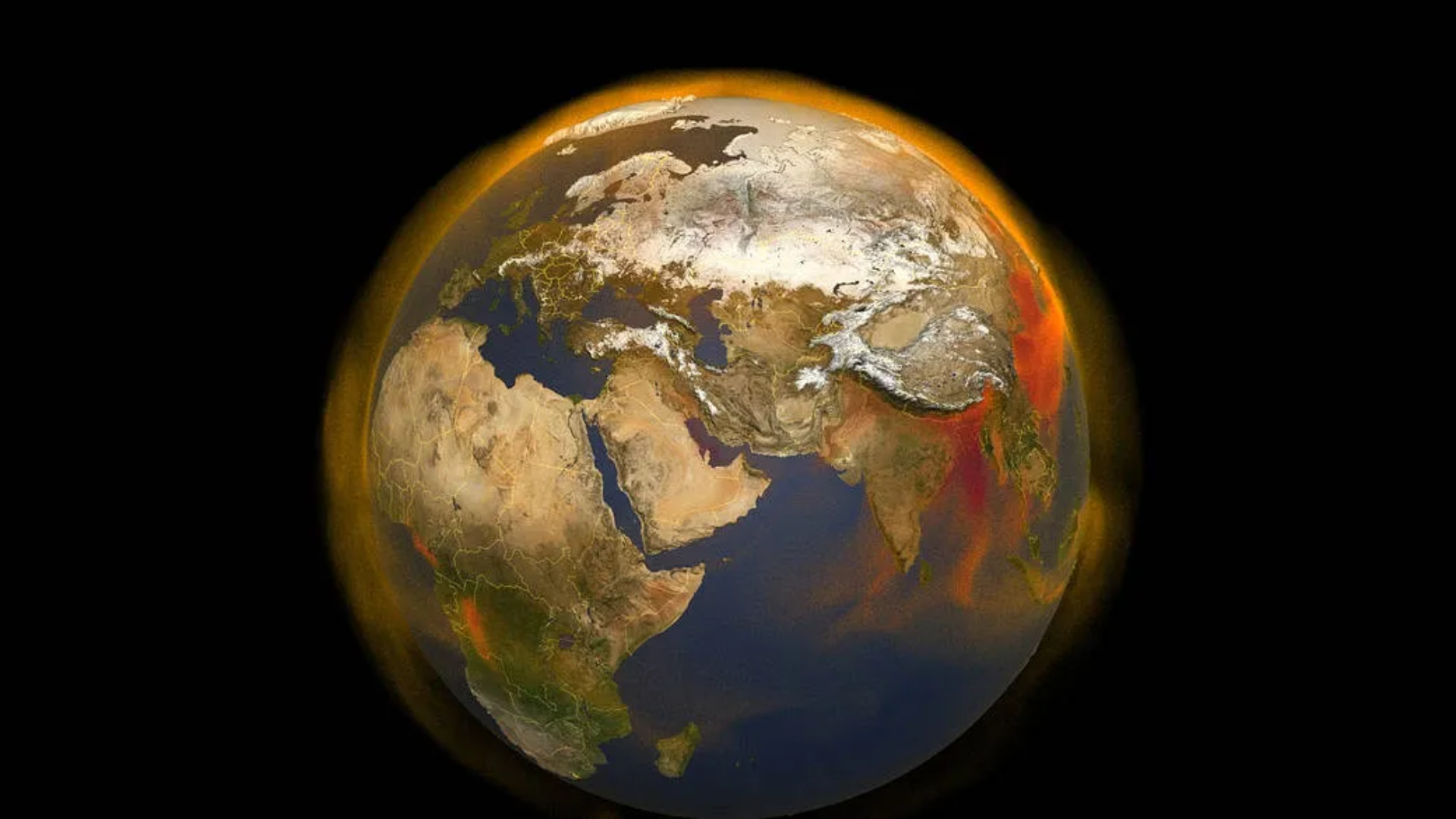
Thermal satellites from an Indian startup aim to spot urban heat, crop stress and wildfires from orbit.
When you purchase through links on our site, we may earn an affiliate commission. Here’s how it works.
AHMEDABAD, India — As climate disasters grow more frequent and severe, a young Indian space-tech startup is betting it can help the world act sooner by reading Earth's temperature from orbit in near-real time.
SatLeo Labs, based here in western India, is building what it calls a "thermometer for Earth" in space. It plans to achieve its roadmap to deliver frequent, near-real-time thermal data through Pyro, a planned constellation of 15 microsatellites that will circle the planet in low Earth orbit by early 2030, if all goes to plan. Equipped with thermal sensors and onboard artificial intelligence, the satellites will measure the heat radiating from Earth's surface at a resolution finer than 10 meters (33 feet), which is sharp enough to map heat variations down to street level, the company says.
"It's going to be that precise," SatLeo Labs co-founder Urmil Bakhai told Space.com in a recent interview.
That level of detail, he said, helps distinguish temperatures across a single city and pinpoint urban hot spots, allowing governments and policymakers to plan targeted interventions and more heat-resilient city designs.
The company is also targeting agriculture, and for good reason: Research suggests that thermal data can directly reveal water stress on crops days before leaves wilt, discolor or show other visible damage, unlike visible-light satellite imagery. Other uses the company is eyeing include spotting forest fires early, tracking industrial emissions and, on the defense side, detecting sudden temperature spikes from missile launches.
Down the road, the team also envisions hyper-local uses. Near the top of its list are live heat maps built into navigation apps that could help gig-economy workers in India. These folks, who often ride motorcycles, could use the data to pick cooler routes during heat waves, said Bakhai.
"We are in space, but we're solving problems on Earth," said Shravan Bhati, SatLeo's co-founder and CEO.
First, however, the company has to prove that its homegrown hardware works in space. On Oct. 1, SatLeo launched its first technology demonstrator, TAPAS-1, aboard a SpaceX Falcon 9 rocket as part of the Transporter-18 rideshare mission. Short for "Thermal Access Platform for Analytics & Solutions," TAPAS-1 is India's first commercial thermal payload in orbit and the first of SatLeo's three planned test payloads meant to validate its technology.