// TOM'S HARDWARE US — HARDWARE & GADGET
Trump wants to ban US companies from building overseas data centers as bans slow development
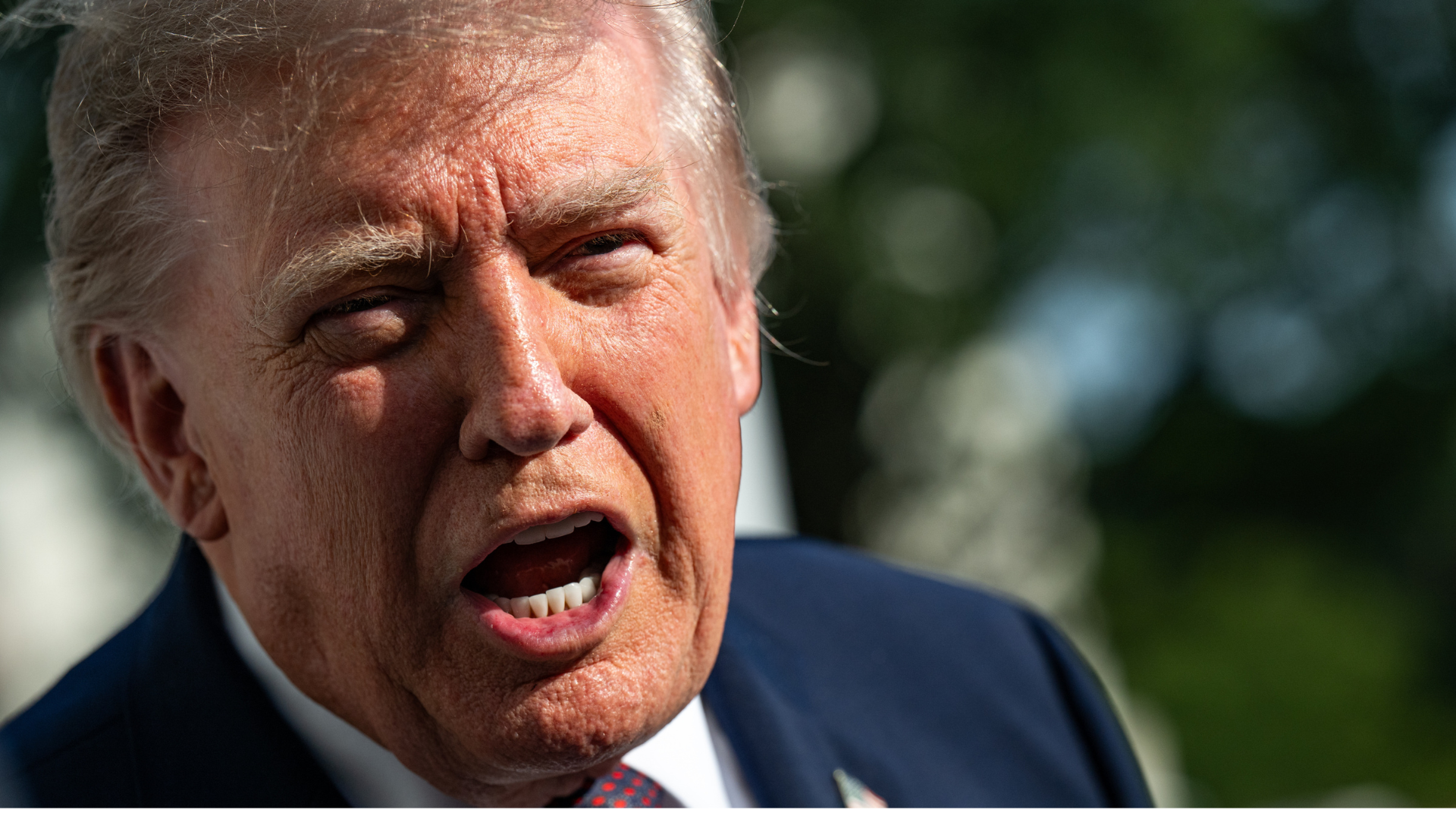
'They're making so much money that don't know what to do with it.'
When you purchase through links on our site, we may earn an affiliate commission. Here’s how it works.
President Donald Trump, who has been pushing for AI development in the U.S., said that he wants to prevent U.S. companies from building data centers in other countries or charge them with a “tremendous tax” if they push ahead with their overseas plans. The move comes as a surprise, Trump said, as he hasn’t even discussed the proposed policy with his cabinet and advisors, reports Axios.
“They’re making so much money they don’t know what to do with it,” the U.S. president said. He added that Americans should negotiate with AI hyperscalers that want to establish data centers in communities, as they could help reduce costs and taxes. “They have plenty of money. Take it,” Trump added.
Several states and jurisdictions have started implementing similar solutions, with one Pennsylvania town listing 43 specific demands to approve an AI data center, while New York State recommended the municipalities demand a $1 million community investment per megawatt. Some developers embraced this, with one offering $10,000 per household if its 1,3000-acre facility gets approved, while Elon Musk’s SpaceX is buying out 418 homes near its flagship AI data center.
This is going to be an issue for many Americans, though, especially as AI data center measures put forward in the recently concluded mid-term elections have been comprehensively defeated. In fact, data center moratoriums have already surged past 500 across the U.S., making it harder for developers to push forward with their projects.
One possible reason Trump is considering a ban on overseas data centers for U.S. companies is that Chinese AI labs have been exploiting a loophole in U.S. law. This technicality has allowed them to export data to overseas data centers that use AI chips banned for export to China, like Nvidia’s Blackwell and upcoming Vera Rubin chips. “We’re not allowing data centers to go into other countries because China will take all of them, and we’re not allowing that to happen,” Trump said.
The U.S. House of Representatives passed the Remote Access Security Act (RASA) in January 2026 to close the workaround, but the bill has been in limbo in the Senate since then. The U.S. Bureau of Industry and Security (BIS) is also taking steps to prevent this, with Nvidia warning its clients that their customers should be at least 51% not from China to avoid legal exposure.
Another question is how the Trump administration will implement its “tremendous tax.” Congress is the only federal body with the constitutional power to impose taxes, and with the opposing party controlling both the House and the Senate, it would be doubly hard for the White House to implement its legislative priorities without serious concessions.
Get Tom's Hardware's best news and in-depth reviews, straight to your inbox.