// BBC UK NEWS — CRONACA
From pop-up bars to transport: What can Fleadh thinking do for Belfast all-year round?
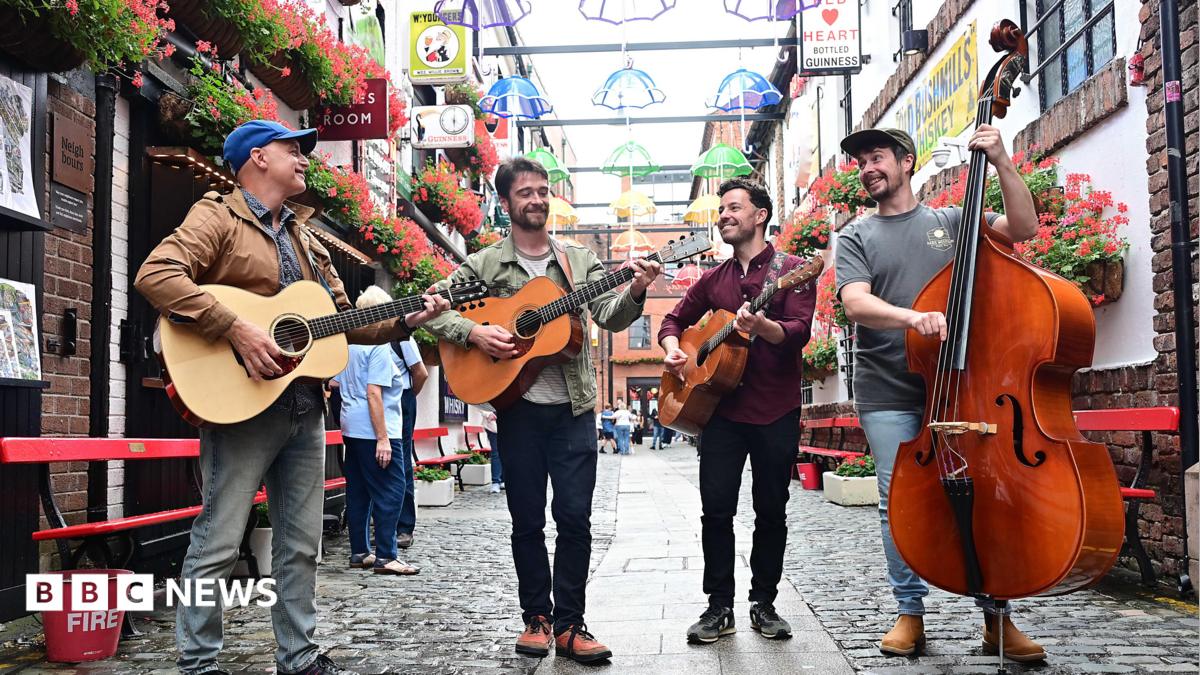
As Sunday night turned into Monday morning, and the strains of fiddles and flutes drifted through the city streets, people hailed the success of Belfast's first ever All-Ireland Fleadh.
The festival brought eight days of music, thousands of people and tens of millions of pounds of investment to a city once plagued by fear and violence.
This year's Fleadh Cheoil na hÉireann saw more than 200 events, alongside competitions, concerts and street performances. Organisers described it as the largest Fleadh in history.
But part of making this Fleadh the largest was a major logistical effort, which saw vast pedestrianisation of Belfast's city centre, derelict buildings transformed into performance spaces and the city changed totally for the eight days of the Fleadh.
This was not the usual Belfast - but what can the city learn from hosting the world's biggest Irish music festival? And could it use some of what it's learned at other events, not just when the Fleadh returns next summer?
The pedestrianisation debate has long pre-dated the Fleadh, but calls for it to be introduced, potentially permanently, have ramped up in the last week.
A large vehicle-free zone was created over the course of the festival, allowing the crowds to mingle, enjoy street performances and, on a number of occasions, break into impromptu sing-alongs.
Representatives from the Alliance Party have written to the council and other bodies calling for a "comprehensive review of pedestrianisation" in the city centre.
Infrastructure Minister Liz Kimmins said she would support permanent pedestrianisation of the city centre "if it works for the community".
The pedestrianised sections of Belfast during the Fleadh