// 9TO5GOOGLE — MOBILE & WEB
An app store for your app store
Good morning, hope you had a great weekend. Today I’m reading about Anthony Bourdain’s early years, depicted through the film Tony releasing this week, listening to Broken Social Scene’s new album after seeing them live this weekend, merging all my chats in the new version of Beeper, and finding open-source alternatives to everything at OpenAltFinder.
Tomorrow is basically Christmas for the 9to5Google editors. Google is announcing its latest batch of phones, tablets, and accessories (?). Based on the bevy of leaks over the past few weeks, I’m not anticipating any major surprises, but it’s still a good time to be a phone fan.
As a reminder, Inbox is the tech newsletter you should be able to read in around 95 seconds. We cover the most important 9to5Google stories from the last couple of days along with a few highlights from around the web. We publish every Tuesday and Thursday, and if you like what you read, please subscribe.
Read previous issues of Inbox here, along with Ben’s excellent Weekender column.
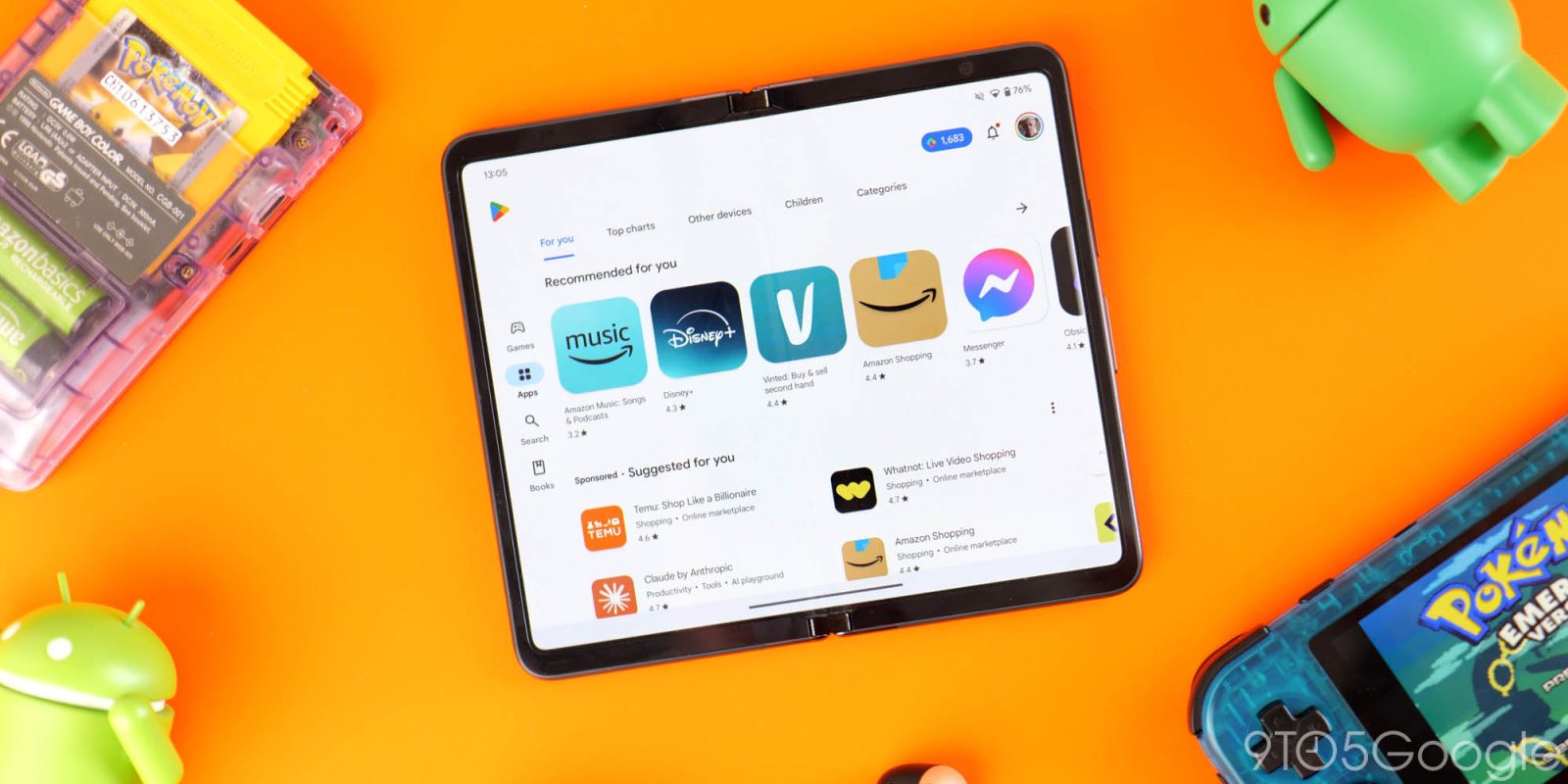
Third-party app store Aptoide is now available on Google Play in the US. Now what? That’s the question that’s looming over the changes made to Google’s app store policies in light of its court case loss to Epic, which sued the company (along with Apple) in 2020 after adding its own payment processor to Fortnite.
Aptoide itself isn’t that important; it’s a games-first app store that’s been around for nearly 20 years in some form on Android, and has expanded to iOS in countries that support it. (On a humorous note, our last story about the company detailed a data breach that exposed the personal information of 20 million Android users.)
But the yo dawgification of the Play Store has broader implications for the app industry, particularly for mid-sized discovery engines which see value in curation. Over the years, Google has tried many things to make it easier to discover new apps and games, but the incentive structure always seems to prioritize big publishers with lucrative subscription models, of which Google can take a sizable cut.
While the barrier to entry for an app store to find its way into Google Play is significant — at least $15,000 per year, plus potentially much more in review costs — the very opportunity to offer a more selective and high-quality subset of Android apps could itself be enough to get developers excited.
Then there’s the potential for names like Microsoft, Epic, Valve, and others to offer exclusive titles directly through their stores, and this seemingly minor change to US Play Store policy could have massive implications for how Android users find and pay for apps and services.
It’s unlikely we’ll see Steam on the Play Store anytime soon, but given Valve’s work getting Proton emulation working on ARM chips for its upcoming Steam Frame headset, I’m sure it’ll be technically possible in the future. Plus, Microsoft’s been looking to expand Game Pass to mobile for years, and though iOS is likely to be the bigger revenue generator, the Android ecosystem is bigger and could be a proving ground for the technology’s official mobile launch.