// ARS TECHNICA — LINUX & OPEN SOURCE
US tries to override New York gambling laws, orders Kalshi to keep operating
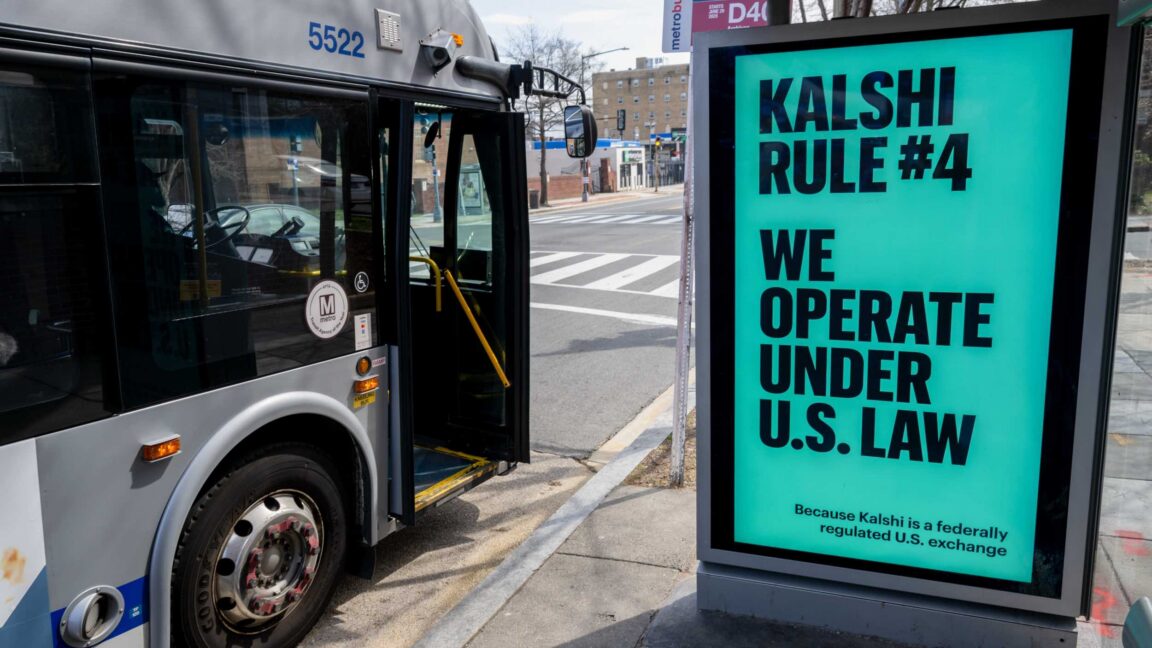
Trump admin claims New York suing Kalshi created “market emergency.”
The Trump administration is trying to stop New York from enforcing its gambling laws against Kalshi, and yesterday said it ordered the prediction market to continue operating in the state.
The Commodity Futures Trading Commission (CFTC) announced that it exercised its emergency authority in response to a “market emergency.” The CFTC said it acted “to ensure market stability” and “ordered the exchange to continue to operate in accordance with the Commodity Exchange Act’s Core Principles.” The Trump administration took the action after a request from Kalshi.
The market emergency alleged by the CFTC is that New York Attorney General Letitia James sued Kalshi on July 31. James’ lawsuit seeks a court order to permanently enjoin Kalshi “from operating an unlawful gambling business” in the state. The lawsuit also demands that Kalshi “make full restitution to customers who have engaged in betting” and pay financial penalties.
“New York intends to make event contract derivatives waste away under its iron curtain of state gaming laws before the courts get the chance to issue final rulings,” CFTC Chairman Michael Selig said yesterday. “Congress did not intend for derivatives exchanges to be regulated under a patchwork of state gaming laws… New York has no business regulating these interstate financial markets. The commission is required by law to ensure order in these markets, and that is what we have done today.”
New York accused Kalshi of running “an illegal, unlicensed gambling operation,” with Governor Kathy Hochul saying that “Kalshi has chosen to ignore New York’s gaming laws.” The lawsuit was filed in a New York state court.
“The lawsuit alleges that Kalshi’s prediction markets meet the legal definition of gambling because the outcomes of the events on which its users are betting are uncertain and outside the control of the bettor or hinge on a game of chance,” said a press release issued by Hochul and James. “Despite this, Kalshi has failed to obtain a license from the New York State Gaming Commission, sidestepping its obligation to pay taxes like licensed casinos and mobile sports gambling platforms do. This tax revenue from gambling regulation funds public schools, sports programs for underserved youth, and problem gambling education and treatment.”
James said that “no matter what they call themselves, prediction markets like Kalshi are gambling platforms, plain and simple. By ignoring our laws, Kalshi is running an illegal operation and harming New Yorkers in the process.”
The CFTC says it alone has the power to regulate platforms such as Kalshi and Polymarket under the Commodity Exchange Act, a US law that gives the CFTC exclusive jurisdiction over designated contract markets (DCMs).
“These are financial exchanges that offer financial instruments and operate across state lines,” Selig said yesterday. “They match the bid from a resident of one state with the offer of a resident from another state and submit the trade to a clearinghouse that backstops the transactions of customers throughout the country.”