// BBC WORLD NEWS — MONDO
Air India pilot's reported cannabis test: What it can and can't tell investigators
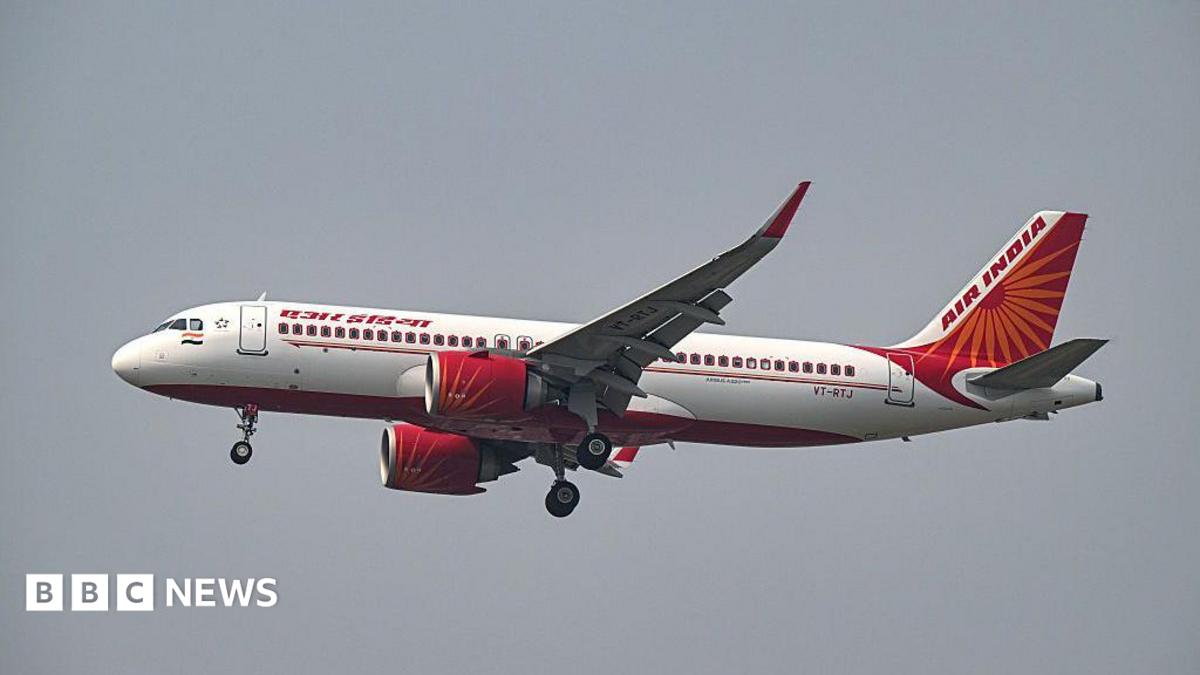
An Airbus A320 operated by Air India prepares to land in Delhi
Reports that an Air India pilot tested positive for cannabis after a flight sound like the sort of finding that should make an aviation investigator sit up.
But the reported result has not been officially confirmed, and even a confirmed positive would not necessarily be the smoking gun it might appear to be.
On 4 August, an Air India Airbus A320 flying from Phuket to Delhi suddenly lost about 91m (300ft) of altitude, injuring 13 passengers and four crew members. The aircraft, carrying 137 passengers and eight crew, landed safely in Delhi. The incident is under investigation.
Both pilots underwent routine post-flight screening for psychoactive substances, India's aviation ministry said. It said the captain's initial test produced a result requiring "confirmatory testing", external and that both pilots had been removed from flying duties pending the inquiry.
Earlier this week, a number of media reports, citing sources, reported that the captain subsequently tested positive for marijuana in a confirmatory laboratory test. Air India has not confirmed the result. The reports have triggered a storm over pilot drug testing and aviation safety in India.
There is, so far, no official finding linking the captain's alleged drug-test result to the sudden loss of altitude. Investigators are examining the incident more broadly, including technical, operational, medical and human factors, and it remains unclear what caused the aircraft to plunge.
The obvious question is whether cannabis had anything to do with it.
The less obvious one is harder: what does a positive cannabis test actually tell us about a pilot's state of mind several hours earlier?
Quite a lot is known about how cannabis affects performance of complex tasks. Much less is known about how to turn a positive test into a reliable timestamp for impairment.