// ARS TECHNICA — MOBILE & WEB
Polymarket's viral videos showed people winning big, but the bets were fake
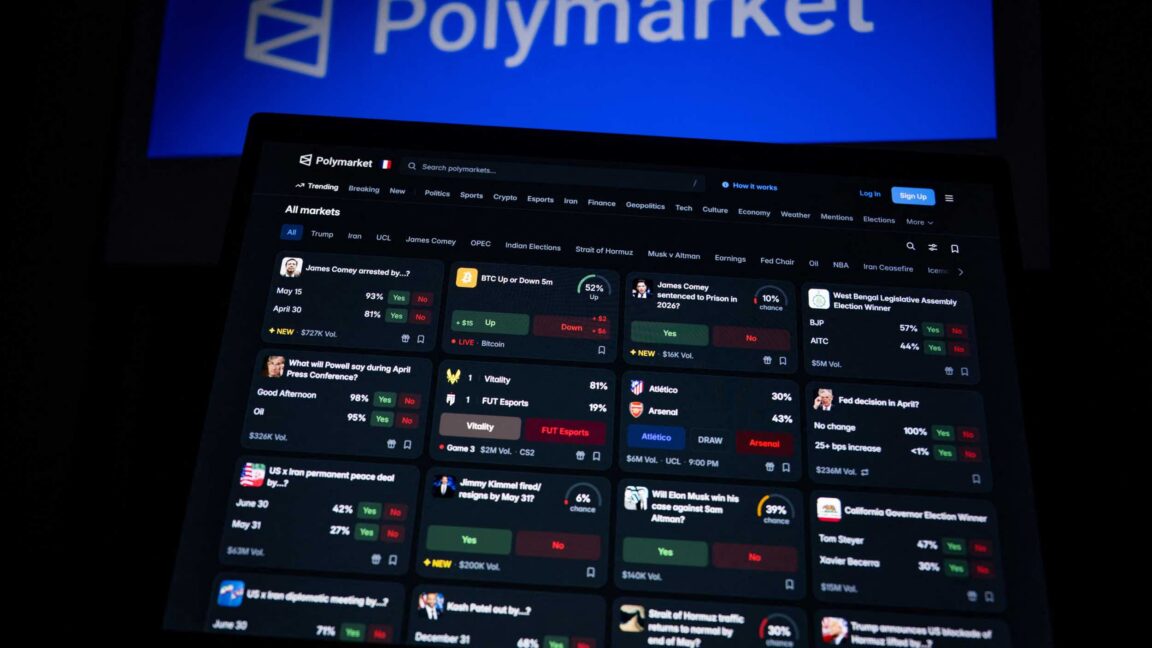
“Winning” bets were made on cloned website and would have lost money, WSJ finds.
Polymarket paid dozens of social media users to film themselves making fake bets for a promotion that aimed to convince people they can strike it rich on the prediction market, according to a Wall Street Journal investigation published on Saturday.
“In its push to draw users to its unregulated platform, Polymarket has flooded social media with videos like [George] Makihara’s, which appear genuine at first glance,” the article said. “In reality, Polymarket built near-perfect copies of its website, then instructed creators to make simulated trades on those dummy sites and hide that they were being paid by Polymarket.”
Makihara, a college student, posted a video in January “that showed him winning $100,000 on a wager that President Trump would publicly say the word ‘McDonald’s’ that month.” But trade data showed that no one on Polymarket won such a bet in January, according to the Journal. This was one of 145 bets that Makihara appeared to place on Polymarket between January and May, but all of those bets were fake, the article said.
“Many of the videos share a template: The creators open Polymarket, place a bet, and frequently refer to their winnings as ‘free money.’ Dozens of social-media creators have posted videos with almost identical formats,” the Journal reported. “Polymarket sends creators bullet-point guidance on what to say, according to creators who have worked with the company and a recruiting website.”
The promotion reportedly targeted US residents by paying creators only when at least 60 percent of their viewers were in the United States. Polymarket’s main platform technically hasn’t been available in the US since 2022, when the Commodity Futures Trading Commission (CFTC) determined Polymarket was operating an illegally unregistered exchange. Polymarket’s main website is restricted to view-only mode in the United States, but users can get around the block by using a virtual private network to change their apparent location.
Polymarket is seeking the CFTC’s permission to bring its main exchange back to the US, but also offers a more limited, US-regulated version of its trading service through a mobile app. Polymarket launched the app last year after acquiring QCX, a firm that is licensed by the CFTC and now operates under the name Polymarket US.
The Journal said it reviewed 1,105 videos made by 10 creators and identified fake bets totaling $1.9 million. While most of the videos were of fake bets being placed, there were 118 videos of “creators reacting to outdated footage or fake headlines suggesting they’d won.”
Those 118 videos showed creators winning almost $900,000, but the bets in reality would have lost over $166,000, the report said. The Polymarket “campaign racked up more than 140 million views on TikTok, YouTube and Instagram,” the report said, citing data from analytics provider Tubular.
Polymarket “hired and worked closely with” a marketing firm that enlisted a “social-media army to repost content made by 10 Polymarket creators in particular, Makihara among them,” the article said. The Journal said it reviewed “nearly 20,000 messages from a chat group for Polymarket’s online content-creating contractors, and instructional documents and videos prepared for them.”