// SPACE.COM — SPAZIO & SCIENZA
'We Want to Believe' book explores the reality of UFOs: 'It's always going to be more likely that someone is wrong about what they saw' (interview)
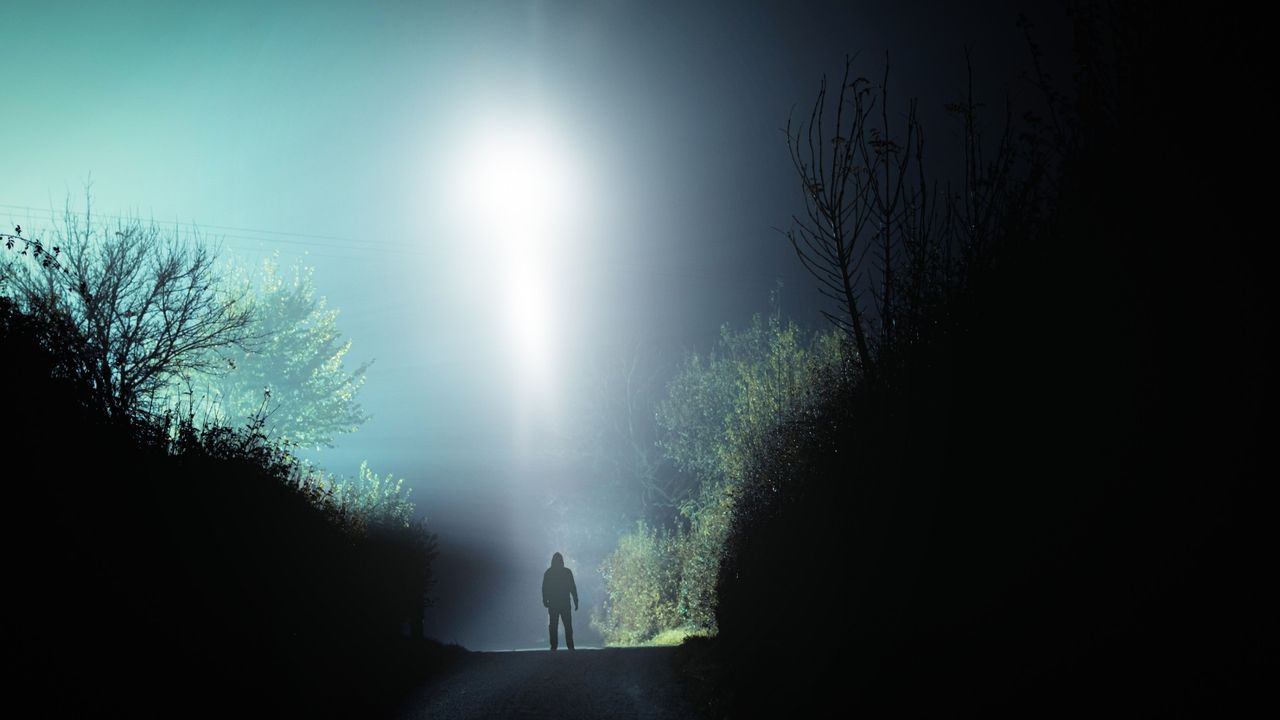
"They're not supernatural or miraculous. If they really existed they'd exist in time and space and three dimensions like everything else."
When you purchase through links on our site, we may earn an affiliate commission. Here’s how it works.
Whether you're a bona fide believer or a staunch skeptic, we can all agree that UFO legends and lore is a fascinating subject that continues to fuel endless debate. And with pop culture feeding our lizard brains lurid tales of flying saucers and alien invasions, it’s no wonder humanity is always up for a good story of inexplicable aerial sightings or various uncanny encounters of the third kind.
In "We Want To Believe: How Aliens Went Mainstream And Why It Matters" (Aug. 25, Columbia Global Reports), acclaimed literary critic and Senior Editor at The Atlantic Adam Kirsch explores this insatiable drive to wonder at unidentified phenomena. For Kirsch, the topic asks many of the same questions that human religions do. "For me, humanity's way into the subject is that UFOs are a way of thinking about a lot of the same questions we might also think about in religious or philosophical terms," Kirsch told Space in an interview. "Questions like what is unique about humanity, are we alone in the universe, are there other minds, what's our destiny as a species?"
Kirsch says the recent wave of alleged whistleblowers helped push him towards studying UFOs, or UAP, as they're now known.
"The real start of my interest in the subject was in 2017 when there was this sudden reporting in the mainstream media about the Pentagon UFO videos and the so-called secret program to collect UFO reports. For the first time, it seemed like maybe there was some legitimate news or evidence."
Kirsch recognized that monumental occasion as a pivotal moment that truly altered the way that American culture and media talked about the titillating topic.
"I got more into the history and the lore of UFOs and partly out of just that basic idea that it would be really cool if there were other minds in the universe. It would be amazing if we could find proof of that. Over the years it's happened repeatedly in this history of UFOs. There's a lot of public excitement and then it peters out because there is no evidence and there isn't anything concrete to point to. And that's definitely what's happened over this last cycle."
Using grounded scientific logic and basic common sense, Kirsch brings a calm measured approach to the UAP hysteria that's been gripping the whole country.
"One of the interesting things about testimony that people like David Fravor and Ryan Graves gave about this is, 'When the camera sees something, the person doesn't see it. And when the person sees something, the camera doesn't see it.' It's always one or the other, it's never both at the same time. Even as long ago as the 1950s, people were saying that UFOs for some reason are not photogenic. No one ever seems to be able to get a real clear image of a UFO the way you’d think you'd be able to if they actually exist in the atmosphere."