// HACKER NEWS — CYBERSECURITY
What I Learned About AI Trust from Reconciling over 100B Transactions
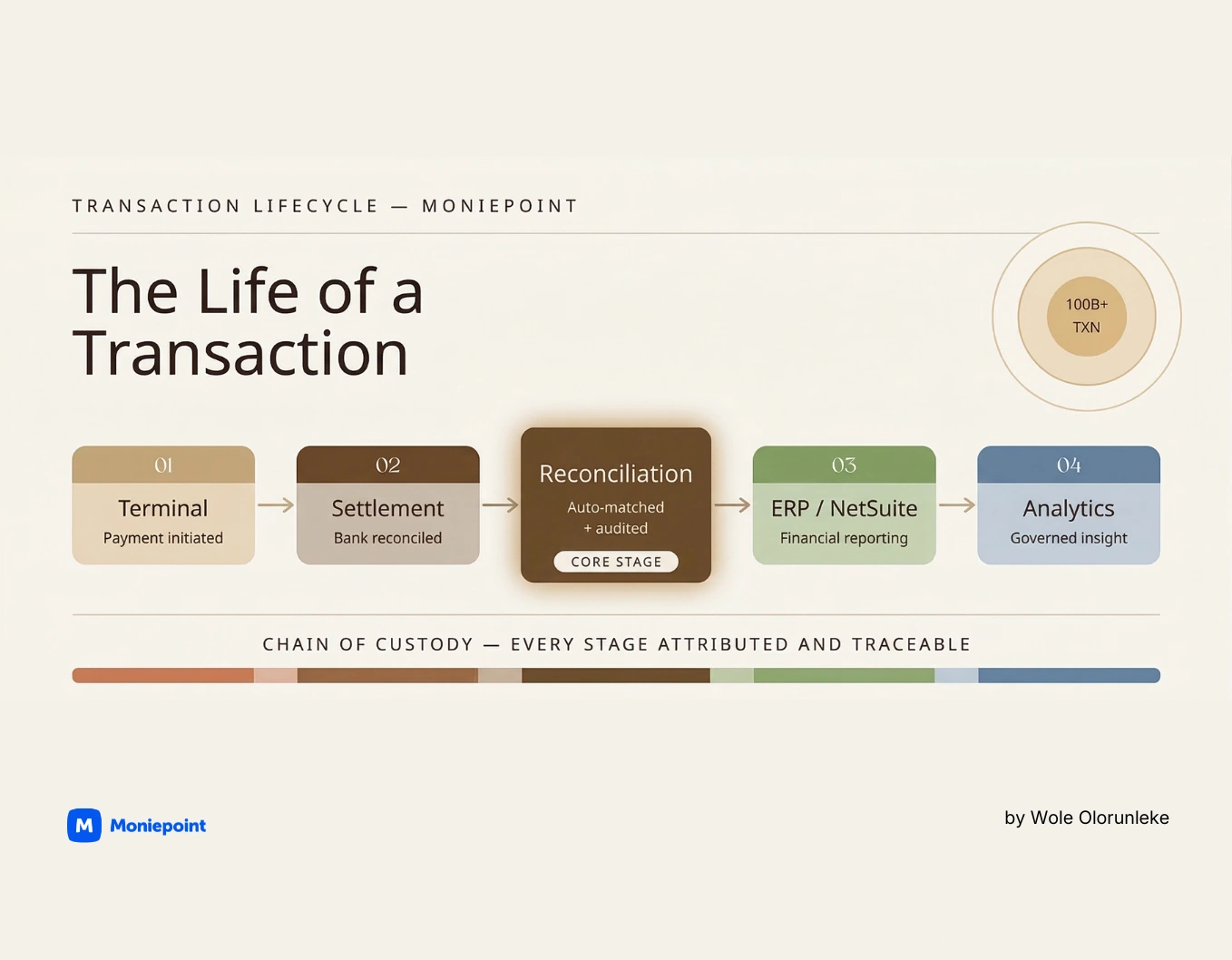
Over a month ago, I sat on a panel at AI Everything MEA in Cairo, discussing trust, transparency, and accountability in AI with two investors and one of the sharpest tech journalists in the business. I was the only operator on stage, the person who builds the systems rather than evaluating them for their investment opportunities and viability.
I want to discuss what AI trust actually looks like from the inside.
The moderator, Mike Butcher, asked a version of a question I hear constantly: What should investors look for when evaluating AI companies? The panel of investors -Yehia Houry from Flat6Labs and Abdelrahman Hassan from Enza Capital-offered thoughtful insights on governance frameworks and founder credibility.
Then it was my turn. And I decided to start with a story about SMS charges and their impact on computing Monthly Active Users (MAU).
At a financial institution like ours, customers earn interest each month under conditions set by the Central Bank. At the start of each month, the system debits SMS notification charges for the period and posts interest income for that same period (if conditions are met). These are system-generated transactions — the customer did not do anything. They did not open the app. They did not transfer money. They did not make a purchase.
But if your definition of “monthly active user” is “any customer with at least one transaction,” those customers show up as active. Here’s what happens. Marketing reports a high Monthly Active User (MAU) to the board. Product looks at the same data and sees low engagement — average transaction values are depressed because genuinely active customers are mixed with essentially dormant ones. Finance sees a third picture entirely because they’re tracking revenue-generating activity, and neither transaction is revenue-generating.
Three teams. Same underlying data. Three different stories.
And here is the part that matters for AI: if you build churn prediction, credit scoring, or personalisation on top of this data, the AI inherits the confusion. It treats a dormant customer with an SMS debit as if they were transacting daily. Every downstream model is making decisions based on a definition nobody agreed on. That’s not a model problem. The model is doing exactly what you told it to. It’s a governance problem. And it starts with something as simple as: what does “active” actually mean?
I could feel the room shift when I told that story. Not because it was dramatic, but because every founder in the audience had either experienced it or was currently living with it.
At Moniepoint, we process over 100 billion transactions across multiple entities in Nigeria and the UK. Our reconciliation systems, our analytics platforms, our financial reporting, all of it depends on data being trustworthy. But we did not start with a governance strategy. We started with a constraint.