// ARS TECHNICA — SPAZIO & SCIENZA
It turns out that Orion's much-maligned heat shield performed really well
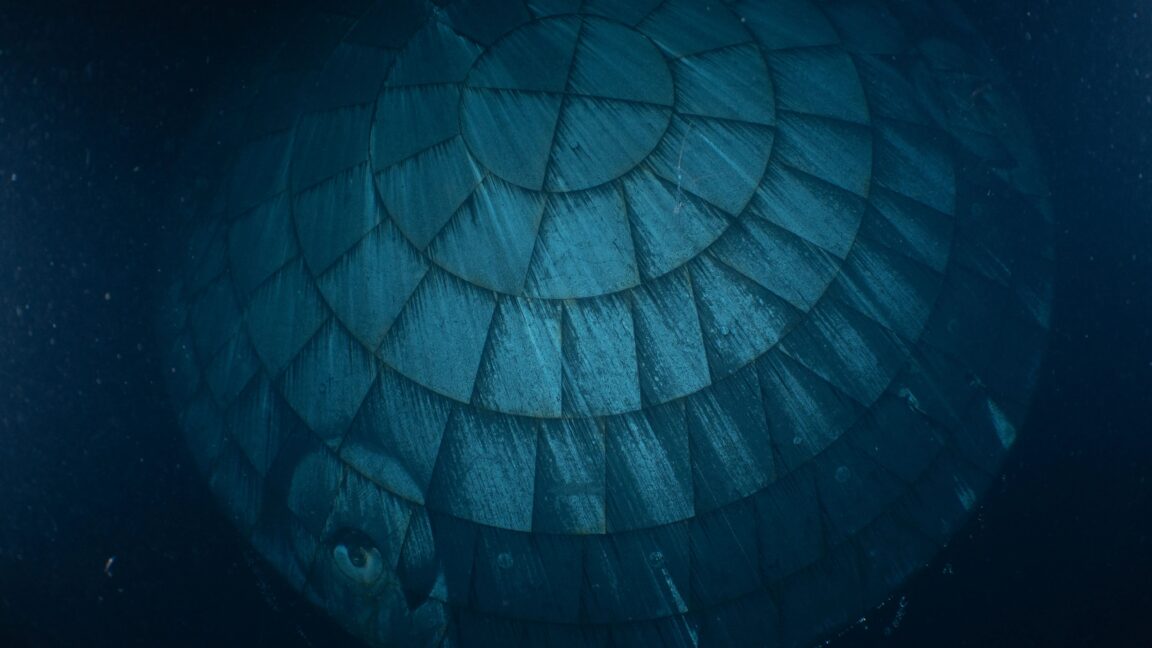
Independent safety officials also have high praise for changes by NASA leadership.
Perhaps the biggest question going into the Artemis II mission this spring was how the heat shield at the base of the spacecraft would perform during reentry through Earth’s atmosphere.
The ablative heat shield, designed to char upon reentry while keeping the crew safe, had experienced unexpected losses of large chunks during a test flight in late 2022. After much deliberation, and not without controversy, NASA decided to fly the Artemis II heat shield as is but modify the spacecraft’s reentry trajectory.
Obviously, the heat shield worked. The crew of Artemis II, led by commander Reid Wiseman, safely splashed down in the Pacific Ocean after a triumphant trip around the Moon. Afterward, they and other NASA officials offered general comments, saying the heat shield looked good.
But how good? During a meeting of NASA’s Aerospace Safety Advisory Panel this week, its members had an opportunity to review NASA’s findings during a visit to the Ames Research Center in California. The condition of the heat shield, said panel member Paul Hill, was “highly satisfying.”
After the Artemis I mission in 2022, there were more than 100 char loss sites observed across the dish-shaped heat shield at the base of Orion, some of which were more than an inch deep. On the Artemis II heat shield, he said, there were approximately nine char loss sites observed. “So it was a big improvement,” said Hill, former director of Mission Operations at NASA.
The success of the Artemis II heat shield, which now appears to have been confirmed by an extensive data review, will give NASA confidence in the performance of its deep-space vehicle for future lunar missions.
At the base of Orion are 186 blocks of a material called Avcoat; they are individually attached to provide a protective layer that allows the spacecraft to survive the heating of atmospheric reentry. Analysis after the Artemis I mission found that this Avcoat material was “impermeable,” essentially meaning it could not breathe. During reentry, gases became trapped in the heat shield, leading to cracking.
After considering several options, including swapping the heat shield out for a newer one with more permeable Avcoat, NASA decided instead to change Orion’s reentry profile. For Artemis II, it would return through Earth’s atmosphere at a steeper angle, spending fewer minutes in the environment where this outgassing occurred during Artemis I.
This largely worked, but there were some downsides. According to Hill, the new reentry profile reduced the vehicle’s “downrange” capability from 4,800 nautical miles to 1,775 miles. Downrange capability is the distance a spacecraft can travel, relative to the Earth’s surface, from the point of atmospheric reentry. A longer downrange is useful for finding a suitable splashdown site when weather conditions change, and it can give mission planners more options for return trajectories from the Moon.