// SPACE.COM — SPAZIO & SCIENZA
ESA chief calls for greater European space autonomy as trust in US partnership erodes
"The choice before Europe is clear: Do we pilot, or are we merely passengers?"
When you purchase through links on our site, we may earn an affiliate commission. Here’s how it works.
The head of the European Space Agency has issued a wakeup call to decision makers amid partners cancelling missions and geopolitical changes affecting the space sector, calling for Europeans to be pilots rather than passengers.
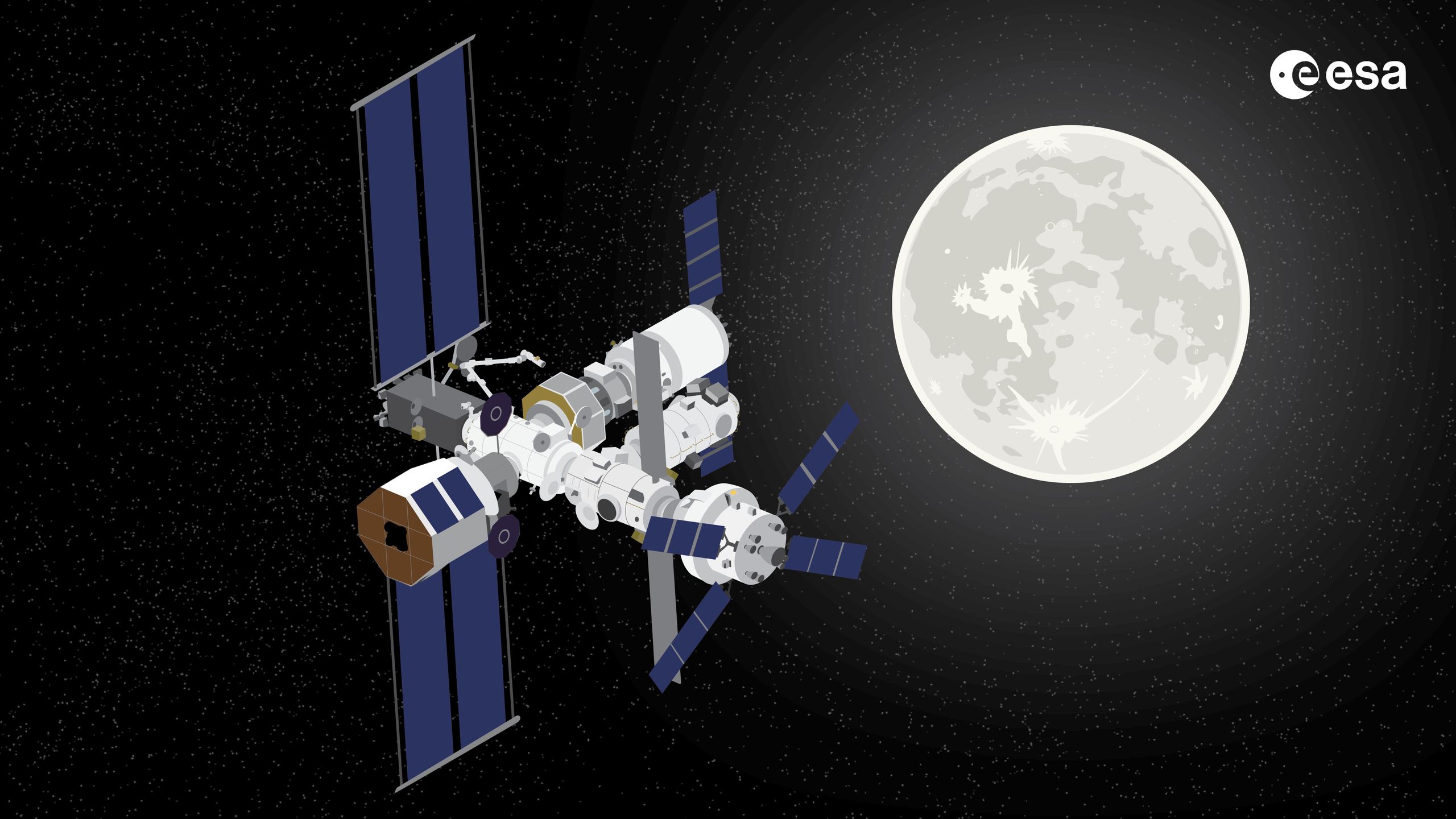
In a LinkedIn post published last month, European Space Agency (ESA) Director General Josef Aschbacher stated that recent decisions taken by the United States to pause the lunar Gateway station and cancel the Mars Sample Return mission campaign — both major projects with deep ESA commitments — have revealed how dependent the agency is on outside actions.
"Europe has become too exposed to decisions beyond its control," Aschbacher wrote, before laying out the challenge the continent faces. "The choice before Europe is clear: Do we pilot, or are we merely passengers?"
The situation for ESA and its 23 member states is complex, requiring Europe to both develop agency and autonomy while balancing this with fruitful collaboration, Aschbacher noted.
"The current environment demands both diversified international partnerships and strengthened autonomous capabilities," he wrote. "Only under these conditions can Europe decide when to act independently and when to cooperate globally, protecting our investments and our industrial base amid geopolitical uncertainty."
With trust in the U.S. as a reliable partner taking a hit, collaboration with other space actors such as Japan, South Korea and Australia could grow, while Europe also pursues its own capabilities.
Human spaceflight is one area Aschbacher is keen to push Europe forward, describing it as a necessity rather than a luxury, and one needed to secure ESA's freedom to unlock the "scientific, economic, strategic and geopolitical benefits of space and to inspire a new generation to shape Europe's future."
The question is not new — it has long been debated by European policy makers and the space sector — but recent events and Aschbacher's comments have brought the issue to the fore. And there is clear support and grounds for greater European autonomy in space.