// KOTAKU — GAMING
The Witcher 3‘s Quest Designer And The Voice Of Geralt Tell Us What To Expect From Its Unexpected Final Expansion
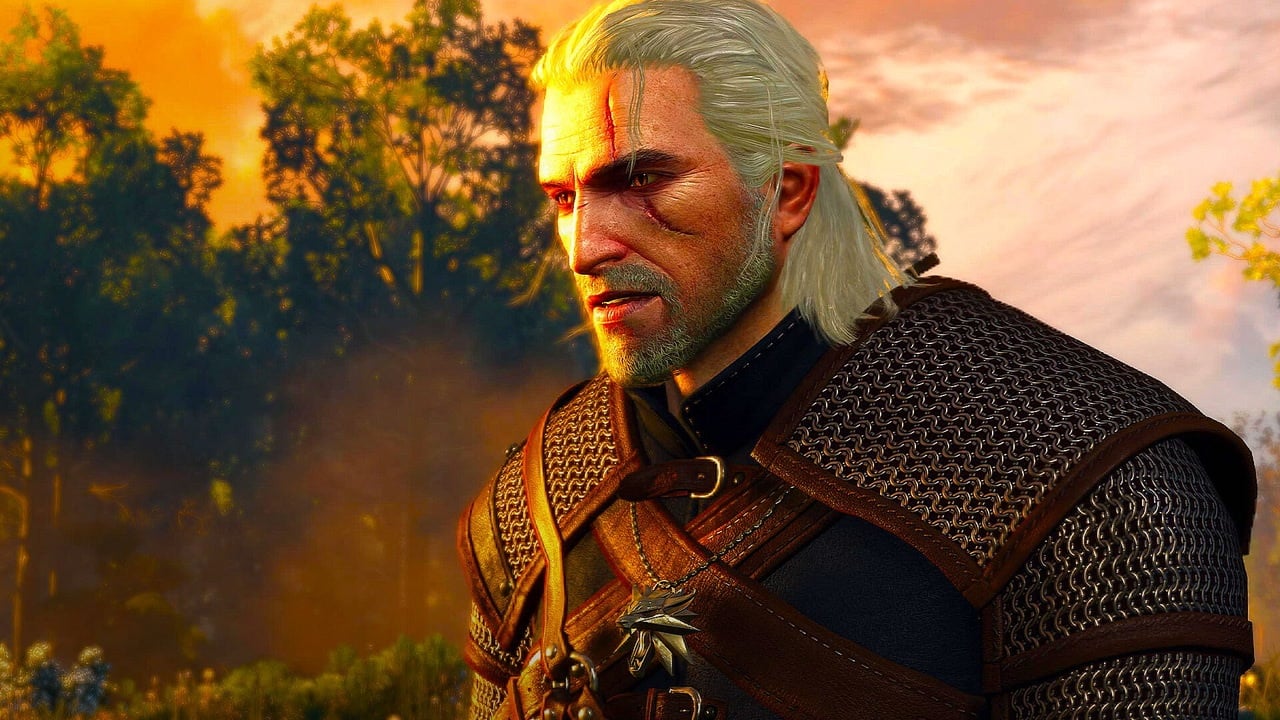
CD Projekt RedDoug CockleSongs of the PastThe Witcher 3
One of the big surprises of 2026 was undoubtedly the return of Geralt of Rivia. With Ciri starring in The Witcher 4, many fans assumed that Geralt had hung up his sword for good. So after seeing a behind-closed-doors Gamescom demo of the new, Geralt-starring expansion, I had to learn more about the monster-slayer’s unlikely second epilogue. Here’s what to expect from Songs of the Past, as told by The Witcher’s long-term quest designer Pawel Sasko, and the gravelly-voiced Geralt of Rivia himself, Doug Cockle.
Tom Regan, Kotaku: How did you feel when you first learned of Geralt’s return?
Doug Cockle: It completely surprised me—I had no idea CDPR had this in mind at all. I knew that Geralt was going to be back in The Witcher 4 in some capacity, but Songs of the Past was a very nice surprise because…well, I thought that Geralt’s big journey was done.
Paweł Sasko: The idea for Songs of the Past actually came up quite some time ago. It was designed by our core Witcher team, including people like Philip Weber, who is our narrative director—and one of my quest designers on The Witcher 3. We were looking for the right circumstances, the right moment in the timeline, the right talent. After we shipped Cyberpunk 2077, part of the team went ahead to work on The Witcher 4 right away. In 2022, we released the next-gen update for The Witcher 3. That team was always in the mindset of The Witcher 3 and what we could still do [with that game], which is roughly when the ideas for the expansion first came up. So we aren’t stepping back into anything; that team never left The Witcher.
Regan: Letten looks like a refreshing new locale for The Witcher. Can you tell us more about this new island that players will be exploring?
Paweł Sasko: Letten is located in northeastern Redania. One of our objectives was to capture an identity for that space that feels clearly distinct from previous locations. The Witcher 3 is massive, and locations like Novigrad, Velen (No Man’s Land), and Skellige are very distinct. When we worked on Toussaint in Blood and Wine, we drew inspiration from France and Spain. Here, we looked a lot at the Polish countryside and English countryside for defining elements. The art direction uses colors like pink and violet together, combined with the new ray tracing work, to make it feel different while remaining cohesively Witcher.
We have to balance making it feel fresh without straying too far from the base game. Players picking up the Complete Edition five years from now shouldn’t feel like it’s a completely different game. We couldn’t just repeat No Man’s Land, so we had to be very careful with our inspirations to hit that fine line.
Regan: The demo blends dreamy, fairy-tale aesthetics with a darker, more ethereal sense of horror. What inspired this?
Paweł Sasko: The surrealist, dark fairy-tale aesthetic stems directly from the books. When Andrzej Sapkowski wrote the books, he drew inspiration from fairy tales and English and Irish myths. In storytelling, we call this deconstruction—breaking a piece of art down to its core inspirations. One of Sapkowski’s main storytelling tools is the “fairy tale gone wrong.” We used that in The Witcher 1, The Witcher 3, and Blood and Wine. For Songs of the Past, the idea was to lean into those original roots Sapkowski planted while making it feel airy, dreamy, and slightly distinct. It ties into how the story starts when Geralt wakes up after a celebration and slowly pieces things together.