// ARS TECHNICA — MOBILE & WEB
Woman's puzzling decline turns out to be cobalt poisoning from hip replacement
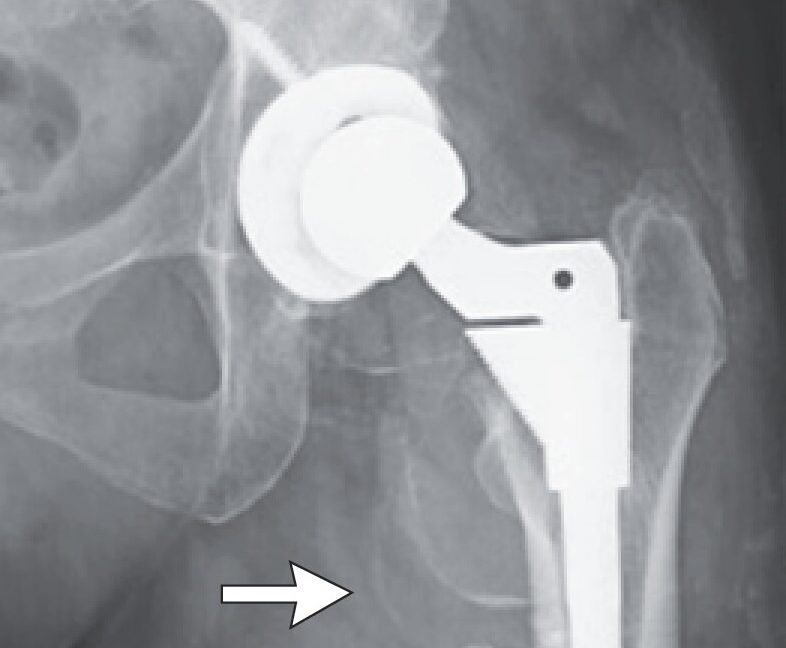
Doctors find grey fluid and dead, metallic flesh inside poisoned woman’s hip.
A 56-year-old woman was admitted to a hospital with an array of alarming symptoms that were only getting worse. For eight weeks, she had a painful “pins and needles” feeling that started in both of her feet and then began working its way up her legs. By the time she arrived at the hospital, she was unable to feel her feet on the ground. She frequently stumbled and clutched at walls to stay up. But the tingling numbness was moving into her hands, too. Then came neurological symptoms. She told her doctors about short-term memory problems and difficulty concentrating. She was irritable and had no appetite. She was experiencing heart palpitations, too.
According to a case report this week in the New England Journal of Medicine, her doctors looked through her medical history for clues, finding nothing that immediately stood out. She had high blood pressure, a history of anxiety and depression, and hypothyroidism (an underactive thyroid). They did notice that, although she had managed the thyroid problem for more than a decade at the same dose of medication, she had been switched four weeks earlier to a stronger dose. But the dosage change didn’t immediately raise any red flags.
She also had a history of hip problems. Twenty years before, she had a hip replacement that stemmed from an injury she sustained in a car crash ten years before that. While more than 90 percent of hip replacements last at least 30 years, the woman’s started failing her after 19.
The year before her current condition, the hip prosthesis had become dislocated. At the time, doctors were able to put it back into position without surgery, but she continued to have pain and problems walking. Imaging also indicated that the lining in the hip socket was failing. So about three months before her alarming symptoms developed, she had surgery at a different medical facility to replace parts of her artificial hip joint, a surgery described as a hip “revision.”
The doctors didn’t have the medical records for the revision, but they didn’t think complications from such a surgery would explain her current condition. Of course, it’s possible the surgery could have damaged nerves, causing tingling and pain, which she was experiencing. But such damage would likely only affect nerves on one side of her body—the side with the hip replacement, which was her left side. But she had pain, tingling, and numbness on both sides. Further, nerve damage from surgery wouldn’t explain her other symptoms.
The doctors performed a thorough exam and began testing. They noted that her heart rate was elevated, a condition called tachycardia. She also had reduced sensitivity to touch in all four limbs. They considered a long list of possible causes: Vitamin B12 and copper deficiency, a rare immune disorder, chronic inflammation, and an autoimmune disease. But there were no clear leads.
They noted that her blood work showed elevated levels of hemoglobin, an iron-containing protein in red blood cells that binds and transports oxygen. They also did an X-ray of her hip, which showed that the artificial joint was in the proper place. But it also showed deposits in the tissue around the joint.
At that point, the records from her hip revision came in. The report clarified that 20 years ago, the woman had received a titanium and ceramic hip joint. Specifically, the joint included a titanium shell (acetabular shell) that fit into the hip bone, a ceramic liner in that shell, then a ceramic ball (femoral head) on the top of a titanium stem (femoral stem) that extended into her thigh bone (femur). Over time, the ceramic liner in the acetabular shell shattered, and the ceramic femoral head began directly moving against the titanium shell.
During the hip revision, a surgical team replaced the destroyed ceramic liner with one made of polyethylene. They also replaced the ceramic femoral head with a cobalt–chromium alloy one. The