// SPACE.COM — SPAZIO & SCIENZA
As 'Terminator 2: Judgment Day' turns 35, it's time to accept the truth: Terminator shouldn't be back
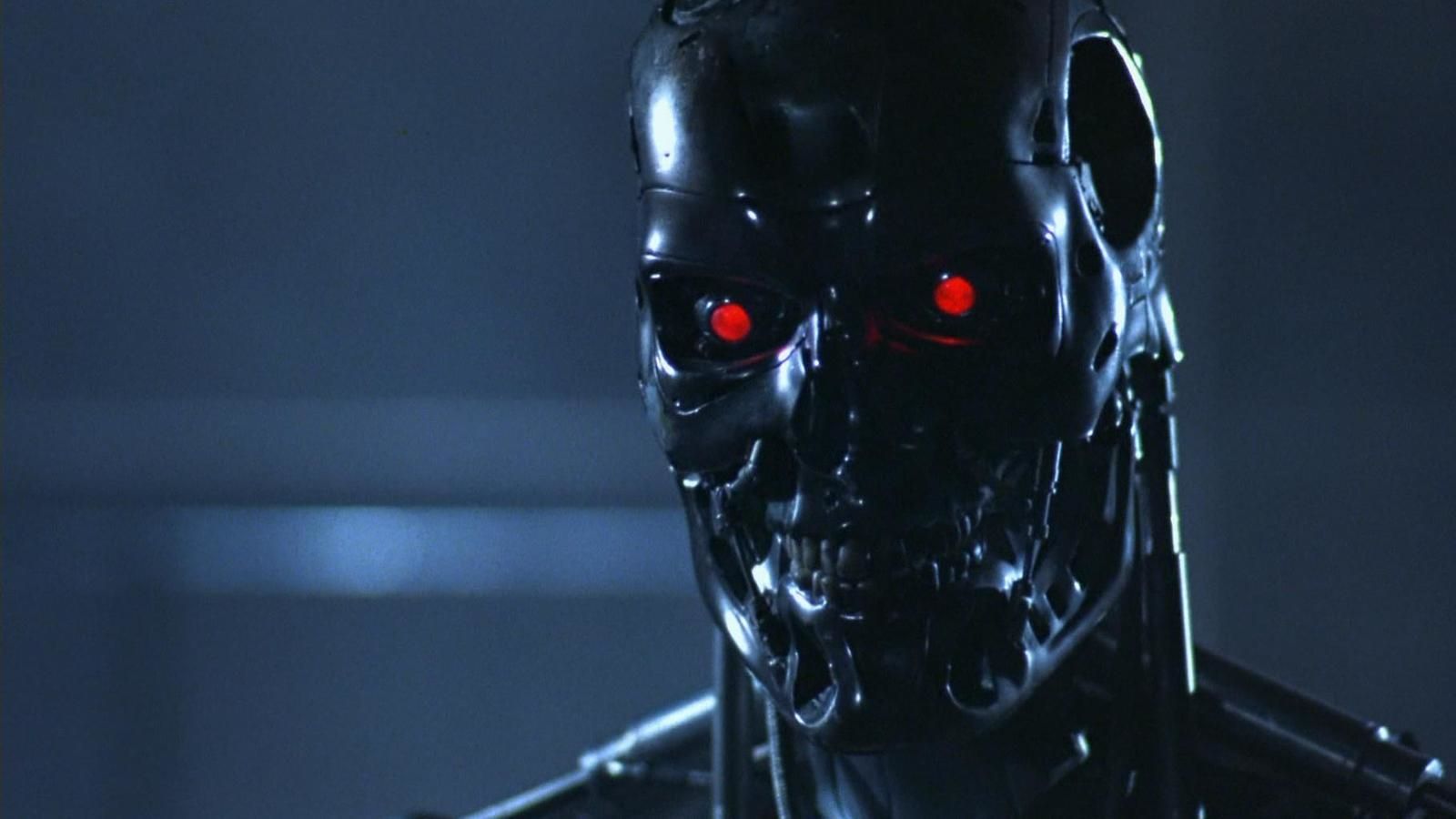
The future has been written, and it's a dark fate for the Terminator franchise.
When you purchase through links on our site, we may earn an affiliate commission. Here’s how it works.
For a franchise where the main hook is time travel, "Terminator" probably wishes it could take us back in time… or just borrow the neuralyzer from "Men in Black" to wipe everybody's mind after everything post-1991. Now, as "Terminator 2: Judgment Day" turns 35 this month, we think it's time to call it: Terminator shouldn't be back.
The decline of the "Terminator" franchise might be one of the greatest falls from grace ever seen in cinema. The first two movies established themselves as genre classics, combining heart-stopping action with futuristic sci-fi that explored the threat of AI bringing about an apocalypse.
No one could get enough of the concept, with several clones such as Jean-Claude Van Damme's "Universal Soldier" and Mario Van Peebles' "Solo" copying James Cameron's homework and trying to ride its coattails. In the end, none of them were fit to lick the boots of Arnold Schwarzenegger's T-800. And as it turns out, neither were any of the subsequent Terminator sequels that followed.
1991's "Terminator 2: Judgment Day" is one of the best sequels of all time, but it also wraps up the story perfectly in retrospect. It nearly ended there, too, as the franchise sat in limbo for the next decade, buried in legal battles and rights disputes.
Cameron had plans for a third film, but he moved on to create "Avatar", leaving "Terminator 3: Rise of the Machines" to blast into theatres in 2003 without him. Is it an awful film? No, but it fails to do or say anything new. It's "a rusted robot compared to the first two films", as a fan referred to it in a Rotten Tomatoes review.
A TV series titled "Terminator: The Sarah Connor Chronicles" debuted in 2008. It ignores the events of the last movie, as Sarah Connor (Lena Headey) and her son, John (Thomas Dekker), continue to do everything in their power to stop the creation of Skynet. An interesting and alternate continuation of the story, but no one really watched the show, resulting in a quick pull of the plug after two seasons.
From there, the franchise shot forward into the future in 2009's "Terminator Salvation". Despite Christian Bale's spirited performance as John Connor, including an infamous leaked behind-the-scenes rant, there's no salvation to be found here – only the damnation of a soulless story and deliberate nostalgia-bait. And the less said about 2015's reboot-but-not-a-reboot "Terminator Genisys", the better.
Then, 2019's "Terminator: Dark Fate" arrived. Out of all the sequels, this is likely the best of the lot, as it attempts to inject fresh blood into the franchise, but it's still hamstrung by hanging onto the narrative threads of the past. The decision to kill John Connor is daft to the nth degree, effectively nullifying the entire point of the series. But the worst part about "Terminator: Dark Fate" wasn't the middling reviews or online hullabaloo about John; it was how it tanked at the box office. It's the lowest-performing "Terminator" sequel – all but killing the chances of more movies for at least the immediate future.