// ARS TECHNICA — FINANZA
A senator tried to ban gambling on prediction markets—now she's a Kalshi lobbyist
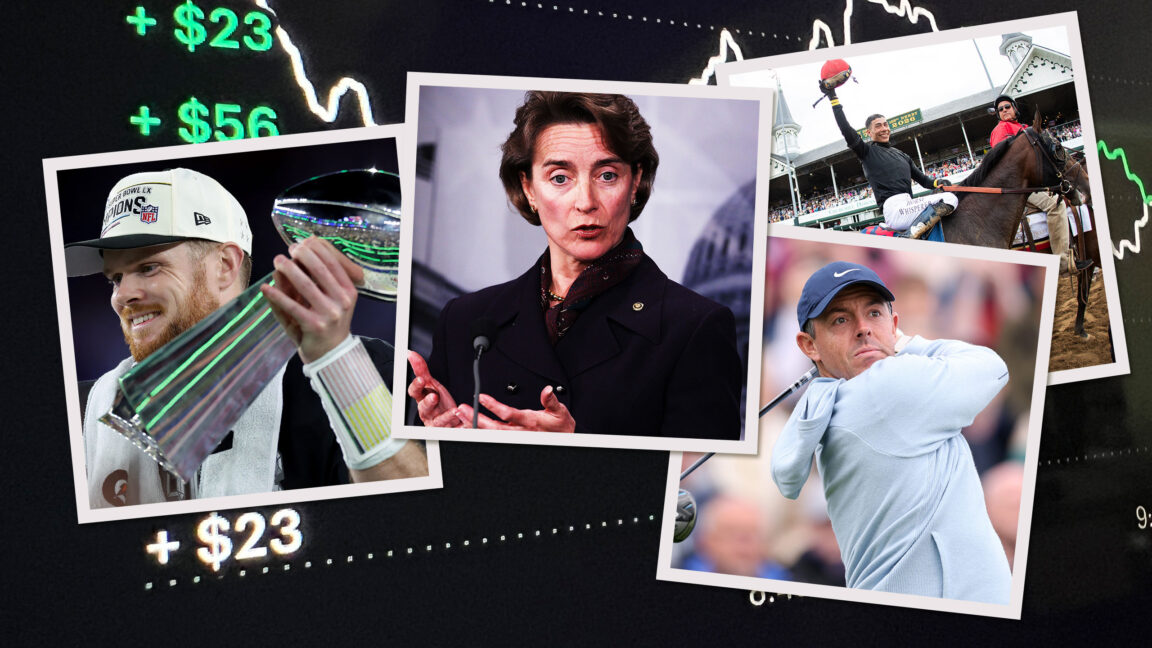
Sen. Blanche Lincoln wrote law that let US ban sports-event contracts. She lobbies for the other side now.
In July 2010, US Senator Blanche Lincoln (D-Ark.) predicted the rise of prediction markets and the problems they could cause. If not properly regulated, Lincoln warned during Senate proceedings on the Dodd–Frank Wall Street Reform and Consumer Protection Act, prediction markets could evade gambling laws by offering “event contracts” that let people place wagers on sports games.
“It would be quite easy to construct an event contract around sporting events such as the Super Bowl, the Kentucky Derby, and Masters golf tournament,” Lincoln, who played a key role in making the law that now regulates prediction markets, told fellow senators. “These types of contracts would not serve any real commercial purpose. Rather, they would be used solely for gambling.”
Today, Lincoln is a lobbyist for prediction market Kalshi and has urged the Commodity Futures Trading Commission (CFTC) to allow sports gambling on the markets. The firm she founded has received $480,000 from Kalshi since 2024 in exchange for lobbying Congress and the CFTC for looser regulation of event contracts.
But in 2010, Lincoln wrote a law that let the US ban sports gambling on prediction markets. Lincoln was chair of the Senate Agriculture Committee and a primary author of Title VII of the Dodd–Frank Act, which gave the CFTC regulatory authority over swaps. Lincoln made it clear that the law’s purpose was to prevent trading that would be harmful to the public and that the law defined “public interest” broadly to give the CFTC authority to ban sports bets offered in the form of event contracts.
Lincoln seemed to expect this approach to result in a ban on sports bets and other kinds of gambling, saying during Senate proceedings that the CFTC needs the authority to prohibit and should prohibit event contracts that exist primarily to enable gambling. But Congress left the ultimate decision up to the executive branch instead of banning these types of event contracts directly.
While the Biden administration discouraged sports-event contracts, the Trump administration has used the authority granted by Dodd-Frank to allow them. Trump regulators also insist that states must be prevented from enforcing their own gambling laws against prediction markets. As a result, prediction-market sports betting enabled by the Trump administration is now at the center of court battles involving state governments throughout the US.
Lawsuits in about 20 states have tasked courts with deciding whether Congress intended to let state governments restrict or ban prediction-market bets or if the grant of authority to the CFTC preempts state gambling laws. Some states have won, and others have lost, making it likely that the Supreme Court will decide whether the CFTC can preempt states from regulating.
Kalshi says it does not list markets on itself, seemingly ruling out the possibility of offering wagers on its own potential Supreme Court case. On Polymarket, Kalshi’s top rival, you can place bets on whether the Supreme Court will agree to hear the case.
Although Lincoln now lobbies for Kalshi to help the prediction market industry avoid regulation, her comments as a senator 16 years ago are still frequently cited to support strict rules against sports betting and other kinds of bets on prediction markets. The 2010 comments also have relevance to court cases in which judges must analyze what Congress intended during the Dodd-Frank deliberations. One federal judge quoted Lincoln’s comments as proof that Congress sought to prohibit sports bets on the markets.