// PC GAMER — GAMING
After playing the new remake of Tomb Raider, I'm convinced you can't actually remake Tomb Raider
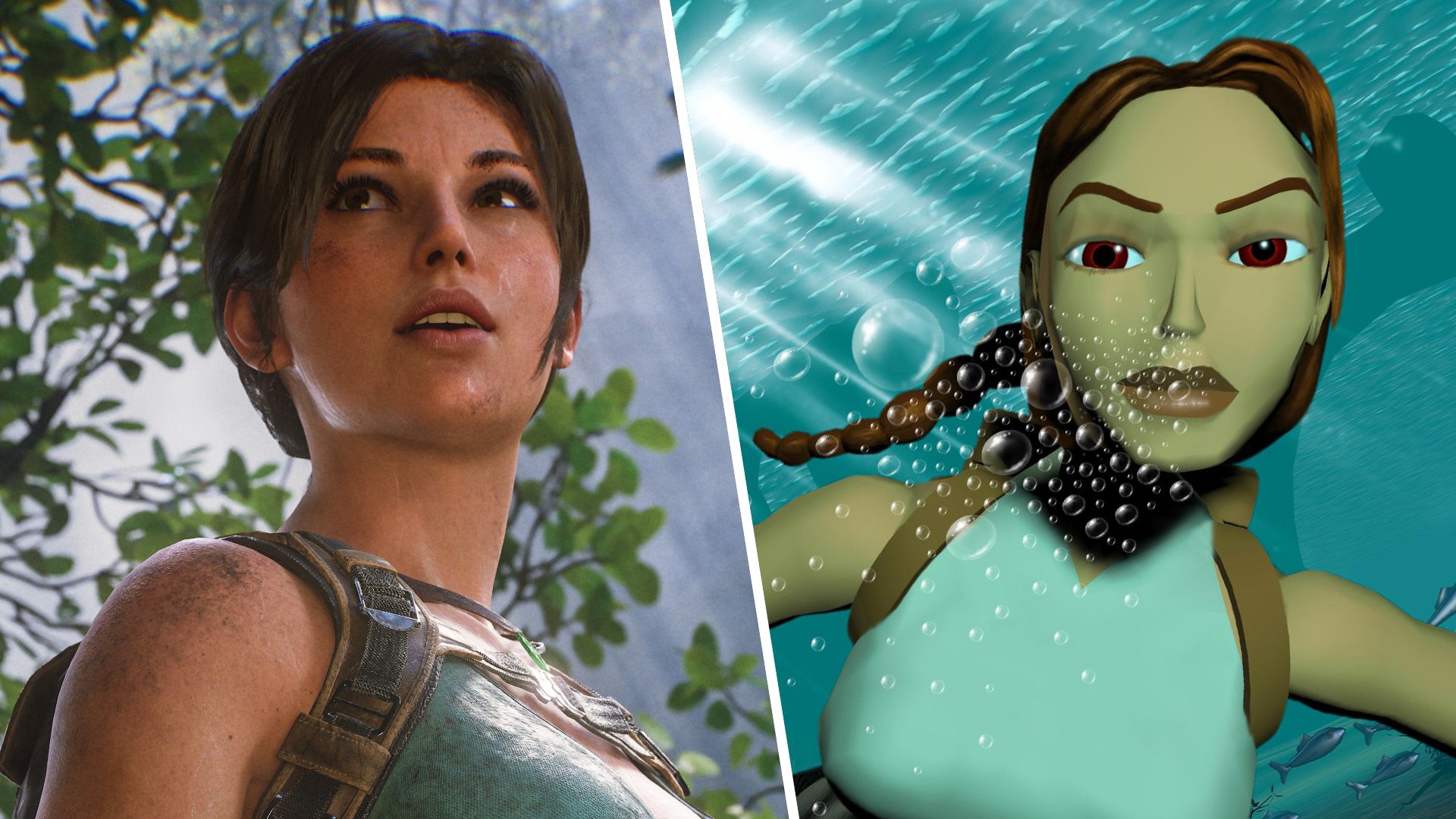
The 1996 game's legacy overshadows what actually made it so distinct 30 years ago.
When you purchase through links on our site, we may earn an affiliate commission. Here’s how it works.
Before I tell you about Tomb Raider: Legacy of Atlantis, the second remake of a game that has also been ported and remastered more times than I can count over the last 30 years, I want to tell you about Tomb Raider, as I played it in the late 1990s. I remember it in fractured snapshots:
I never saw the end of Tomb Raider. I may have barely even seen the middle, but I do remember the wobbly floor under a tempting lever that collapsed with me on it. With no good save to go back to I just… gave up, instead replaying the first few levels I enjoyed. I was not a very determined kid.
I didn't see Lara's first adventure through to the end until Tomb Raider: Anniversary, which I bought in the 2010 Steam Winter Sale and enjoyed a great deal. But even within the span of a decade games had changed so much that Anniversary was fundamentally different from the game it recreated.
Much of Tomb Raider's grit and obscurity were done away with, puzzles made more intuitive, jumping friendlier with automatic ledge grabbing and a generous grappling hook. The mansion was now a puzzle box tutorial rather than a playground. The T-Rex no longer wandered in from the dark—it was siloed off into a tropey videogame boss arena and defeated by quicktime events rather than panicked pistol fire. Lara had developed reservations about killing in cold blood.
Yet just a decade removed from the original game, Anniversary was still more like a game from 1996 than a 2026 remake will ever be. A manual grab option restored some of the platforming's original rawness. The menus retained that swirly '90s flair. Still three years before the trendsetting Uncharted 2, Lara wasn't yet prone to talking to herself while solving puzzles.
The Legacy of Atlantis developers call their new game a "reimagining" rather than a remake, but in playing it I was mostly struck by how strictly we've come to define the form of a big budget videogame in 2026. The menus look identical to everything else. The arrival of the T-Rex triggers a scripted chase sequence. The Peruvian jungle is now lush with life, realistically bright with beams of light pouring through the trees and shadows darkening the corners. Scraped white edges mark the rocks Lara can easily clamber between. Bright targeting circles appear on the objects she can yank with her grappling hook.
Making a 3D game was a new and uncertain thing in 1996. Tomb Raider's developers at Core Design were figuring it out, and the game they ended up making was by its nature experimental. It controlled like nothing else. Its environments were foreboding by necessity of a short draw distance. They didn't have the programming sophistication to make Lara hesitate near a cliff's edge, so precision was essential unless you wanted to break her neck.
Keep up to date with the most important stories and the best deals, as picked by the PC Gamer team.