// SPACE.COM — SPAZIO & SCIENZA
Space debris: Are we on track for true sustainability? (op-ed)
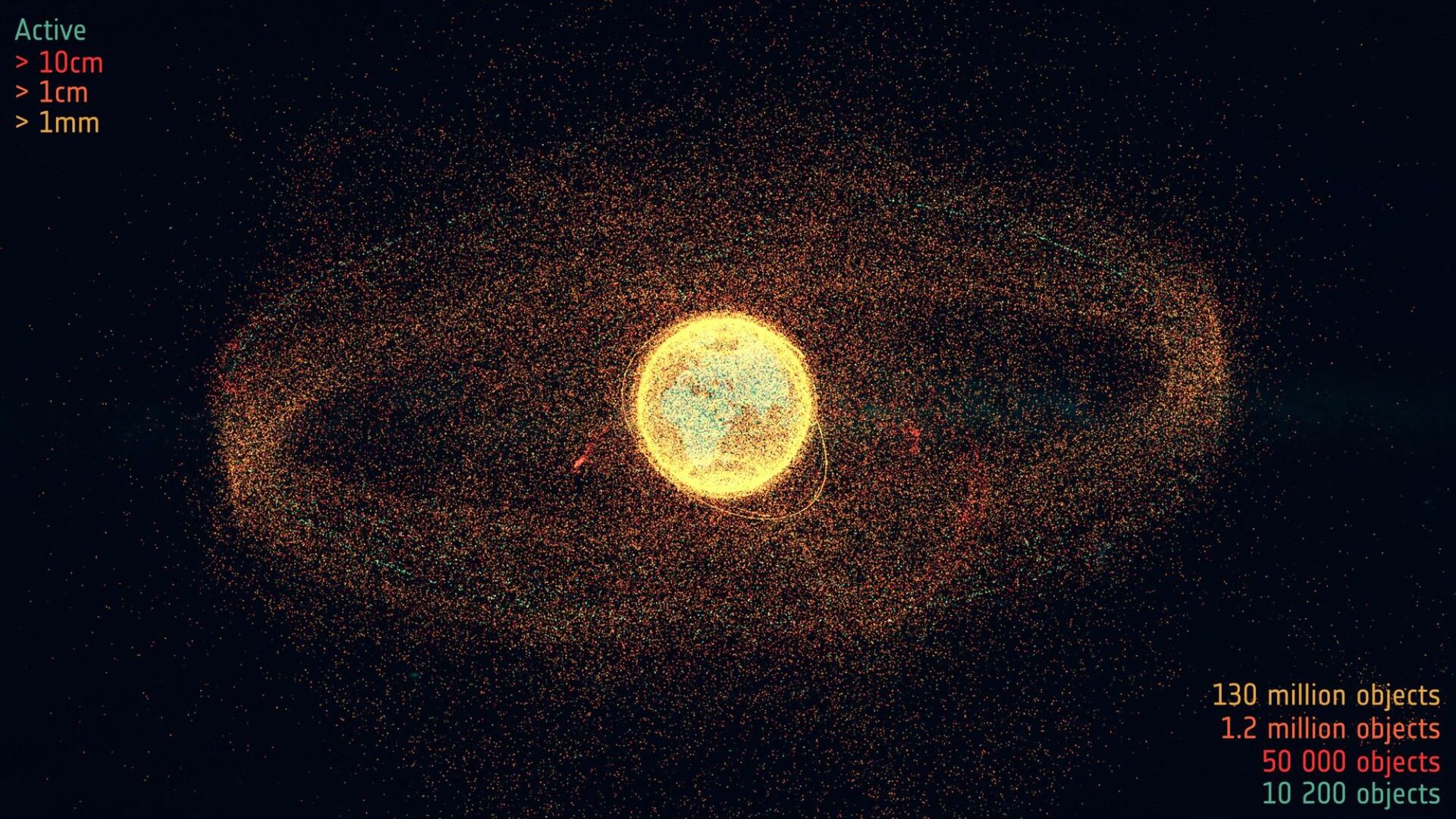
Will sustainability become a core principle or an afterthought?
When you purchase through links on our site, we may earn an affiliate commission. Here’s how it works.
David Zamora is the chairman of the Space Data Association. He contributed this article to Space.com's Expert Voices: Op-Ed & Insights.
The commercialization of space is well underway, and as a result, Earth’s orbit is becoming ever more congested. The current number of active satellites in orbit stands at around 16,000, according to the European Space Agency( ESA), and this number is expected to jump close to 60,000 by 2035, Novaspace projects. While it’s not always given the recognition it deserves, space has fast become a critical infrastructure layer, underpinning nearly all systems that enable modern life as we know it. Therefore, it’s critical that a safe and clean operating landscape is maintained.
Yet this is becoming increasingly challenging, particularly given that, alongside the rapid increase in space traffic, there are also more than 1.2 million pieces of debris over 1 centimeter (0.4 inches) cm in Earth’s orbit, each of which could damage satellites and spacecraft and potentially cause disastrous consequences. With the number of active satellites and debris objects in space continuing to increase, the space environment is under growing pressure.
Space was once the sole domain of nation states, but this is no longer the case. As technology has advanced, launch costs have decreased, and satellites have become more efficient, smaller and cheaper to build. These changes have democratized space, resulting in a massive increase in space traffic, not least constellations in low Earth orbit (LEO) that comprise thousands of satellites.
Plans are underway to further expand these constellations, and new and even bigger constellations are also expected to launch in the coming years. Added to that, we’re also likely to see the first space-based data centers within the next few years, which may well mark the start of the wholesale shift of data centers from Earth to space, which will further add to the congestion already being felt.
To ensure that space continues to meet our current and future needs, this continued expansion must happen in a sustainable way. Maintaining a safe and clean landscape is more important than ever before, and mitigating the impact of space debris is critical to that effort.
Mitigating the impact of debris involves a multipronged approach. Whether intentional or unintentional, the creation of new space debris by future space missions must be minimized as much as possible. This applies during launch, operation, and end of life phases, and satellites and other spacecraft need to be designed with this in mind. Additionally, satellites that are no longer active should not remain in orbit for extended periods, because this only increases the chance of collision events which would create new debris. The standard rule has been 25 years, but there are recommendations now that this should be lowered to five years.
Also critical is the prevention of in-orbit collisions between active satellites and other objects. This is only achievable through effective Space Situational Awareness (SSA) and Space Traffic Coordination (STC) systems. SSA maps out and characterizes objects in space (both satellites and debris), determining their location, trajectory and velocity, while STC actively manages the space traffic identified through SSA to prevent collisions. When a conjunction is probable, SSA/STC service providers alert the operators involved, who then decide whether to undertake a collision-avoidance maneuver.