// KOTAKU — GAMING
No Thank You, Roblox, I Do Not Want An AI-Driven ‘Explosion Of Content’
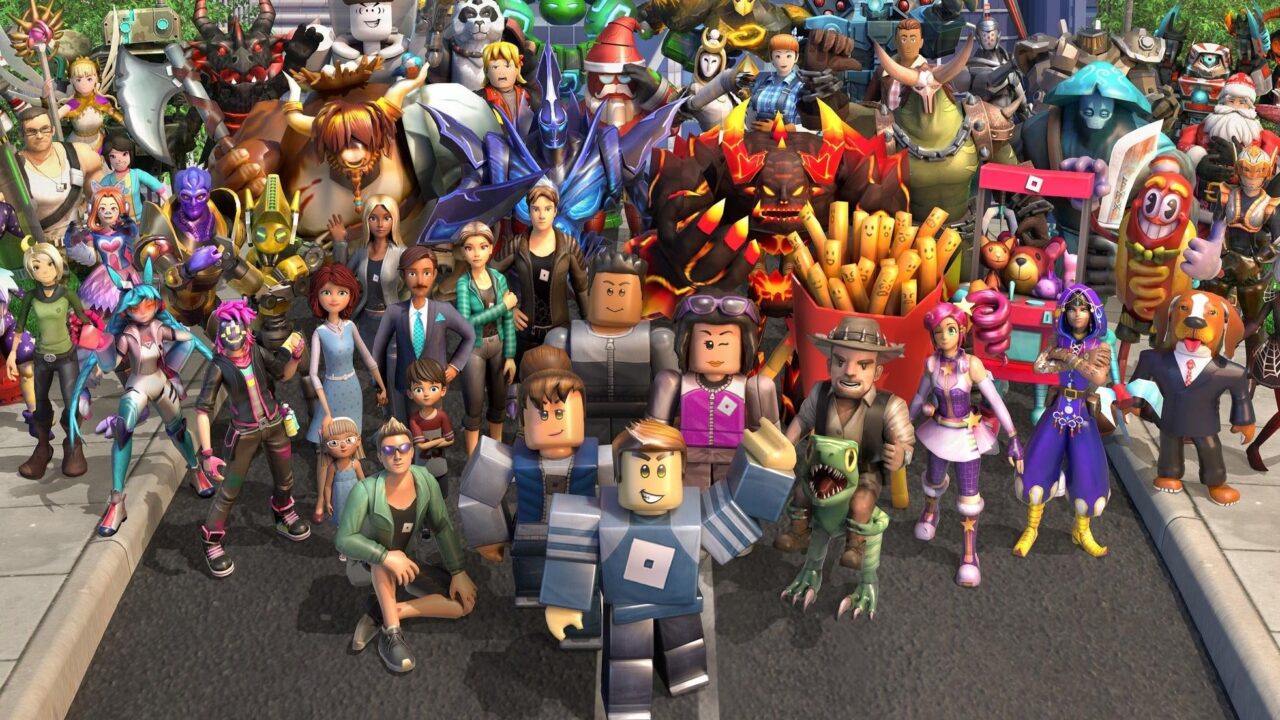
Roblox is really, really proud of how much AI its players are using. So, so much AI.
During the last three months, we have witnessed an inflection point in AI adoption and content generation in the gaming industry overall, and on Roblox in particular. AI-enabled game creation, automation in code generation and AI supported asset creation are leading to an explosion of content. The time it takes to go from an idea to a playable game is compressing dramatically, and so is the time it takes to adapt a game for new devices.
That’s from Roblox‘s Q3 earnings report. Aren’t we all excited for the “explosion of content” to come?
Over the past month, more than 80% of the top 100 games on Roblox (ranked by hours engaged) used AI tools to accelerate creation, and the number of daily asset uploads to the Roblox cloud tripled month-over-month.
Great. I’m very glad to hear that Roblox, a platform mostly used by children, a platform that used to bill itself as a great place for children to learn how to create video games in a simpler environment before eventually graduating to Unity or Unreal or something, a platform that has since become overwhelmingly flooded with low-effort and actively harmful experiences that make it challenging if not impossible to surface the handful of legitimately cool things hiding in there, is now encouraging kids to use AI shortcuts to crank that stuff out as fast as humanly possible. Sick.
Confined within the bounds of Roblox, this bothers me some. But Roblox is no longer interested in confining itself to itself.
Roblox‘s Q3 earnings report outlines two major initiatives, which it refers to as Roblox Everywhere and The Universal Player. I want to hit the latter initiative first, The Universal Player, which “includes the goal of enabling the capability to import any existing console, PC, or mobile game onto Roblox.”
AI is used to seamlessly import any existing game into the Roblox cloud platform while transforming it to run multiplayer, on any device (at the upper edge of the deviceʼs performance capabilities), with instant join, instant UGC updates, local 3D, and access to Roblox services for discovery, safety, communication, and monetization.
Roblox is billing this as a way for more people to bring their existing games to the platform and monetize them. I don’t know why any AAA studio would do this, but it seems to be a bid more for smaller devs anyway, effectively turning Roblox into an additional PC storefront option for developers. And one with access to a massive audience of 138 million daily active users, many of whom don’t necessarily engage with many other PC games outside of Roblox. On one hand, it’s possible that more platforms might be enticing for some smaller developers as game discoverability proves increasingly difficult amid storefront floods of games made with AI. And yet, Roblox has been as aggressive as anyone with promoting generative AI development, probably even more so. How is anyone going to get discovered amid the millions and millions of games on there? Who is this even for?
But then there’s Roblox Everywhere. Roblox Everywhere was already sort-of announced back in September, but the company seems to be expecting it to really kick into high gear early next year. Essentially, the company aims to provide pathways for people who build games in Roblox to then publish those games to other app stores. Though Roblox doesn’t specify which ones, in its September post the company outlined “mobile, PC, and consoles.” So conceivably, we might start seeing Roblox-made games crop up anywhere from Steam to the App Store to even something like the Switch eShop, the Microsoft Store on Xbox, or the PlayStation Store. It’s unclear which stores have agreed to this, or whether or not those seeking to publish games elsewhere will have to overcome any further hurdles to get their games on those stores. All it says is that creators can “build once, publish anywhere.” And already, Roblox is preparing a