// ENGADGET — FINANZA
This is the right way to clean your vinyl records
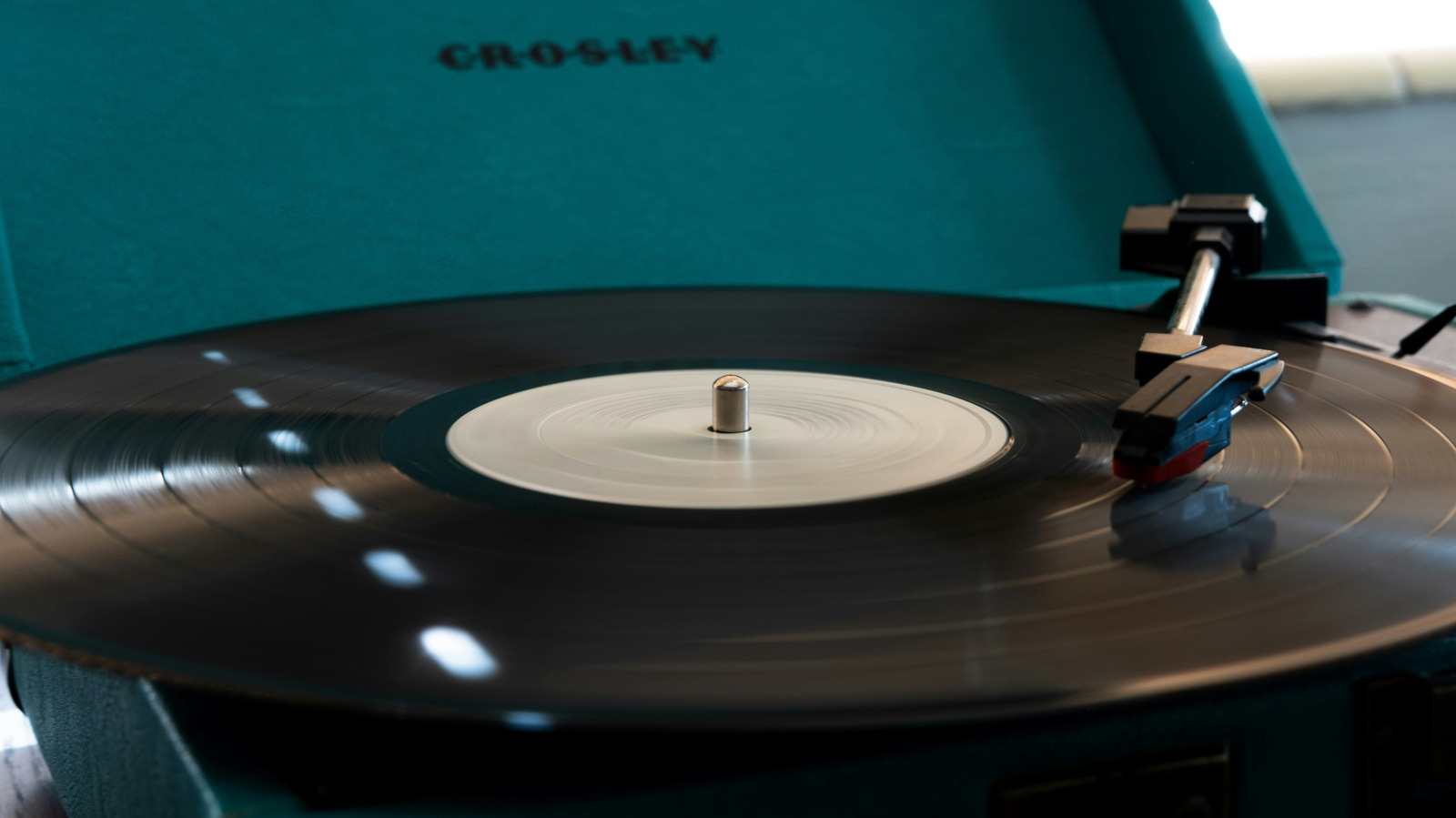
The answer depends on your budget — and how hardcore you want to get.
There's no one right way to clean a record. If anything, there's a different answer for every budget — and even then, 10 enthusiasts might give you 10 different answers. No matter your situation, though, some TLC for your vinyl collection is better than none.
Most record crackles come from dirt and debris. Dust sits on the surface and is the easiest to clean. "Grime," for lack of a better term, settles into the grooves and is harder to remove. And then there are scratches, which are a different problem altogether. Unfortunately, nothing will fix them. Such is life with vinyl.
For regular maintenance, a carbon fiber brush is one of the easiest places to start. Rest it lightly on a spinning record for a few turns, then sweep it off toward the edge. This won't do much if your record needs a deep cleaning, but it keeps the loose dust from piling up.
An air duster, whether canned or electric, is another option to blow off surface dust. If you use the canned variety, be sure to hold it upright so it doesn't spray propellant. And keep all air blowers away from the record player's needle.
As their name suggests, anti-static guns are indeed handy for static, which can attract dust. Keep in mind that they won't remove dirt; they just make it harder for dust to stick to the record in the first place.
Don't neglect your needle, either. It's worth buying a small stylus brush, which you move gently from back to front to clean your needle. Stylus cleaner gel is another option: lower the needle onto the sticky pad, repeating a few times until the tip is clean.
Wet cleaning is the next step up. Whether that means hand-washing a record or using a machine, this approach is much better than brushing at removing dirt that's sunk deep into the grooves.
Fluid made for records from reputable companies is a simple and cheap option. Spray the liquid on a soft brush or pad rather than straight onto the record, move in circles along the grooves and avoid wetting the label. Some do this while the record is spinning, which would be convenient if not for the risks: It can strain the turntable motor and get liquid on the player. It's safer to do it by hand, even if it takes a little longer.
Diluted alcohol shows up in plenty of commercial record fluids and tends to be fine for brief contact with vinyl. You can make your own with isopropyl alcohol-based cleaner, but it's often stronger than you need, so mix about two to three parts distilled water with one part alcohol. You can add a drop of plain, unscented dish soap to the mix, too. Just be sure to rinse with distilled water afterward to avoid residue. No matter what, don't let alcohol go anywhere near old 78s, as it can dissolve the shellac and damage the record.