// ENGADGET — INTELLIGENZA ARTIFICIALE
MacBook Pro with PROLED XDR Display review: Lighter, brighter, but the touchscreen doesn't add much
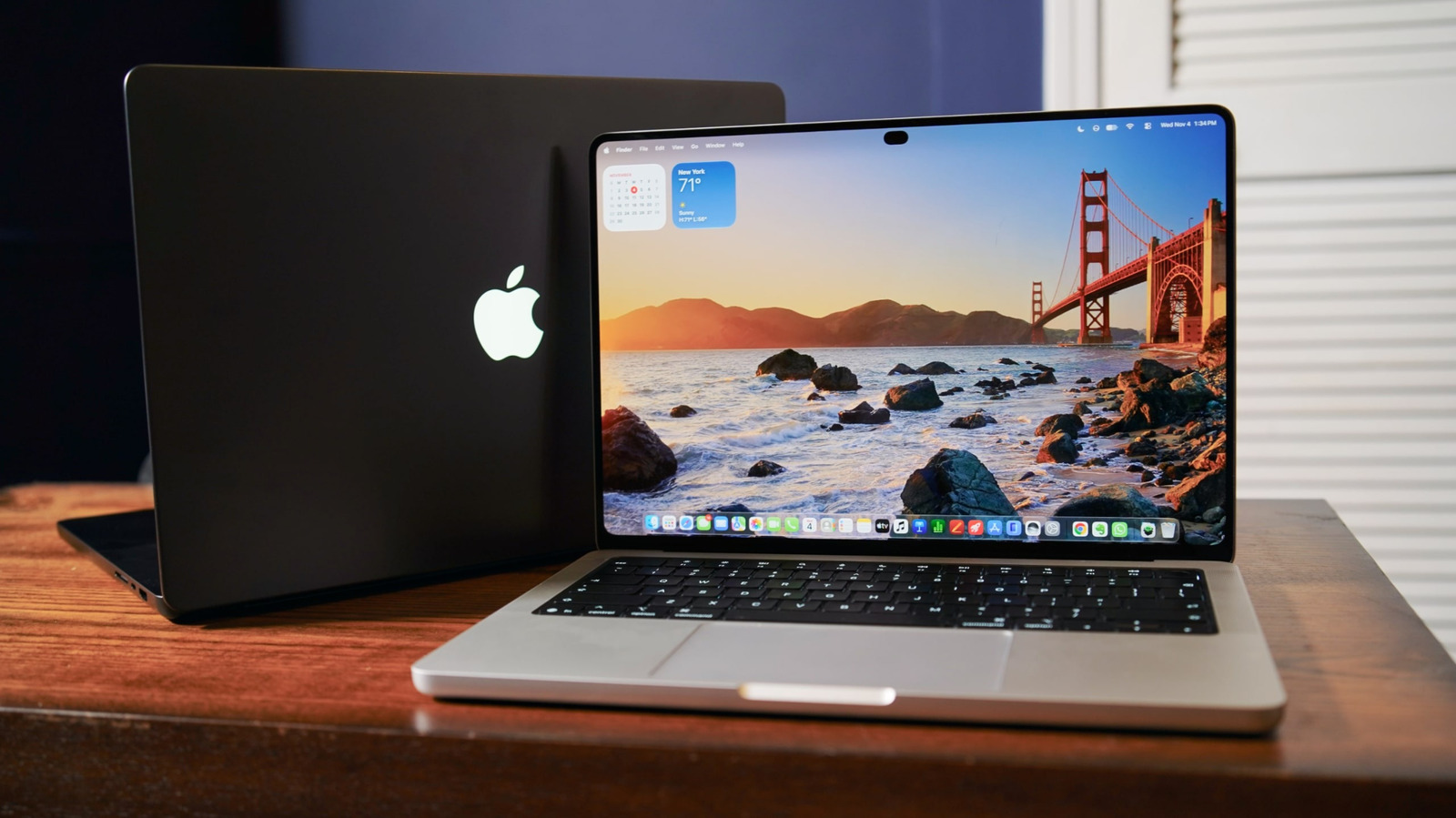
It’s a notable evolution of the MacBook Pro at a much higher price.
The least interesting thing about Apple's new touchscreen MacBook Pro is the touchscreen. The new MacBook Pro with PROLED XDR Display, as it's awkwardly called, is better seen as a total redesign of Apple's premium laptops. Both models are slimmer and lighter on every front: The 14-inch model weighs 3 pounds, down from the standard MacBook Pro's 3.7 pounds, while the 16-inch model goes from 4.7 pounds to 4 pounds. It also marks the first time the MacBook Pro has been graced with OLED screens, which are gloriously colorful in all the ways OLEDs tend to be.
Oh yeah, these new machines are also significantly more expensive. The 14-inch starts at $2,899, $900 more than the standard MacBook Pro. The 16-inch PROLED model will cost you $400 more than the regular version at $3,399.
In a time when computers already cost more, thanks to the AI-driven price increases for RAM, storage and other components, it seems odd for Apple to unleash its most expensive laptops yet. But I'm sure there's a crowd who will pay anything to have the sleekest MacBook Pro around. I just hope that Apple keeps its non-touchscreen MacBook Pros around for a long time (and maybe even brings those prices back down).
As you can tell from their name (which really should be something along the lines of the MacBook Pro Ultra), the PROLED XDR screen is the real selling point of these computers. And, at the very least, the display is impressive enough for Apple to create an entirely new marketing buzzword. Both the 14-inch and 16-inch revamped MacBook Pros have OLED screens that are slightly larger than the standard models (14.2-inches and 16.3-inches), which, together with thinner bezels, makes them feel a bit more immersive. They can reach up to 2,000 nits of peak HDR and 1,000 nits of sustained full-screen brightness, making them the brightest OLED screens we've ever seen in laptops. They also sport an insanely high 10,000,000 to 1 contrast ratio.
Being OLED displays, where every pixel is turned on and off individually, they can reach pure deep blacks right alongside very bright elements. As someone who spent hundreds of hours staring at Apple's previous Mini LED-equipped MacBook Pros, which were already incredibly bright, I found it a bit hard to see the difference between the two screen technologies during normal usage. But when I was watching a movie with a dark background, which occasionally erupted into a bright scene, the PROLED XDR MacBook Pros looked more realistic. Watching the final scenes of F1: The Movie, where fireworks erupt against-black night sky for several minutes, felt absolutely revelatory on these screens.
The MacBook Pros with PROLED XDR also sport a Dynamic Island at the top of their screens, which houses their webcams and serves as a new home base for Spotlight and Live Activities. In practice, it works just like the Dynamic Island on iPhones — the displays morph around the black oval to reshape it for various tasks. It's slightly less noticeable than the notch on the standard MacBook Pros, but it ultimately doesn't make a huge visual difference.
For all of the attention Apple paid to its new OLED screens and thinner design, it's surprising that the company has taken a very basic approach to bringing touchscreen support to macOS. The PROLED XDR touchscreens work as you'd expect: You can swipe on the screen to scroll through articles or manipulate 3D objects or other media. Touch interactions just register as mouse clicks, so you can use it for everything in macOS, and Apple also has plenty of creative application partners like Adobe and BlackMagic who plan to fully support the touchscreen. There's no Apple Pencil support, though, so if you actually want to draw you'll still need an iPad.
Both PROLED XDR MacBook Pros look almost the same as the standard models, but there are plenty of hidden refinements that have led to a significant weight reduction. The 3-pound 14-in