// SPACE.COM — SPAZIO & SCIENZA
Starfish Space loses contact with 1st 'Otter' servicing spacecraft, ending NASA tech-demo mission
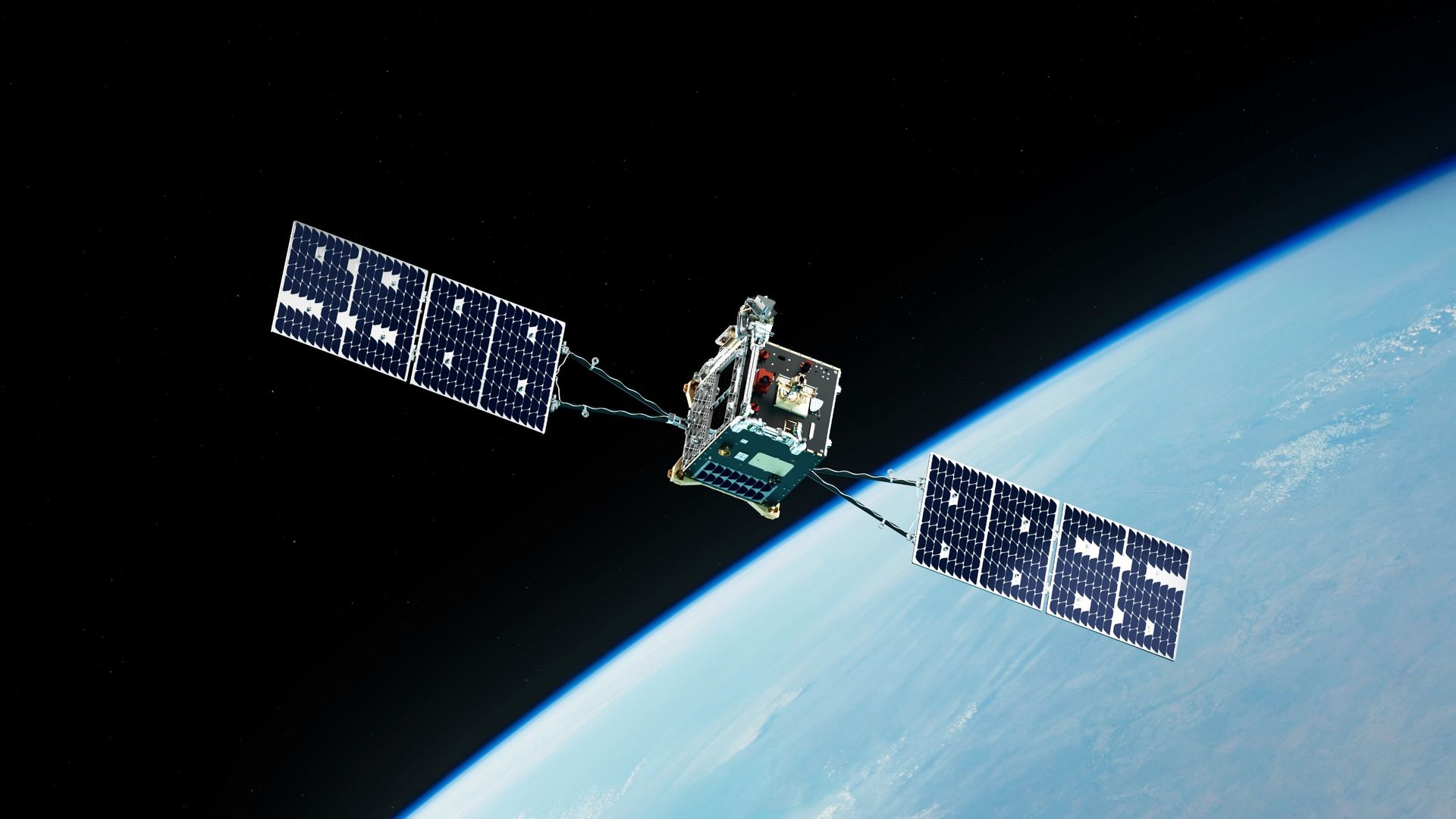
"Starfish, NASA, and Astro Digital have concluded that Otter 24C is not recoverable."
When you purchase through links on our site, we may earn an affiliate commission. Here’s how it works.
Starfish Space's first Otter has died, just a month after it reached the final frontier.
The Seattle startup announced on Tuesday (Nov. 3) that its Otter 24C satellite suffered a glitch in low Earth orbit (LEO) and is not recoverable.
The anomaly killed an ambitious mission in the cradle, as Otter 24C was still in the commissioning phase.
Otter 24C launched Oct. 1 on SpaceX's Transporter-18 mission, a rideshare flight that carried a total of 130 payloads to LEO (including a prototype satellite for Project Suncatcher, Google's planned AI constellation).
The Starfish satellite was flying a mission for NASA called Small Spacecraft Propulsion and Inspection Capability, or SSPICY for short. The goal was to "demonstrate technologies necessary for future debris-removal missions as well as for future applications in the servicing and inspection of active spacecraft," according to NASA's SSPICY site.
"This advances NASA's in-space manufacturing and assembly (ISAM) goals to ensure a sustainable space operating environment and builds towards a future where objects can be assembled, repaired and maintained in space, significantly expanding possibilities for science and human exploration," the agency added.
Starfish Space was a natural partner. The Seattle company plans to become a big player in the nascent field of satellite servicing, using its line of Otter craft to repair, refuel or deorbit other satellites for a variety of customers.
SSPICY marked Otter's spaceflight debut. The mission plan called for the 739-pound (335-kilogram) Otter 24C spacecraft to approach and inspect "up to four inoperable space objects of U.S. origin" over the course of a two-year mission, performing detailed visual inspections.