// SPACE.COM — SPAZIO & SCIENZA
The 'eclipse of the century' will plunge these 8 wonders of the Roman Empire into darkness on Aug. 2, 2027
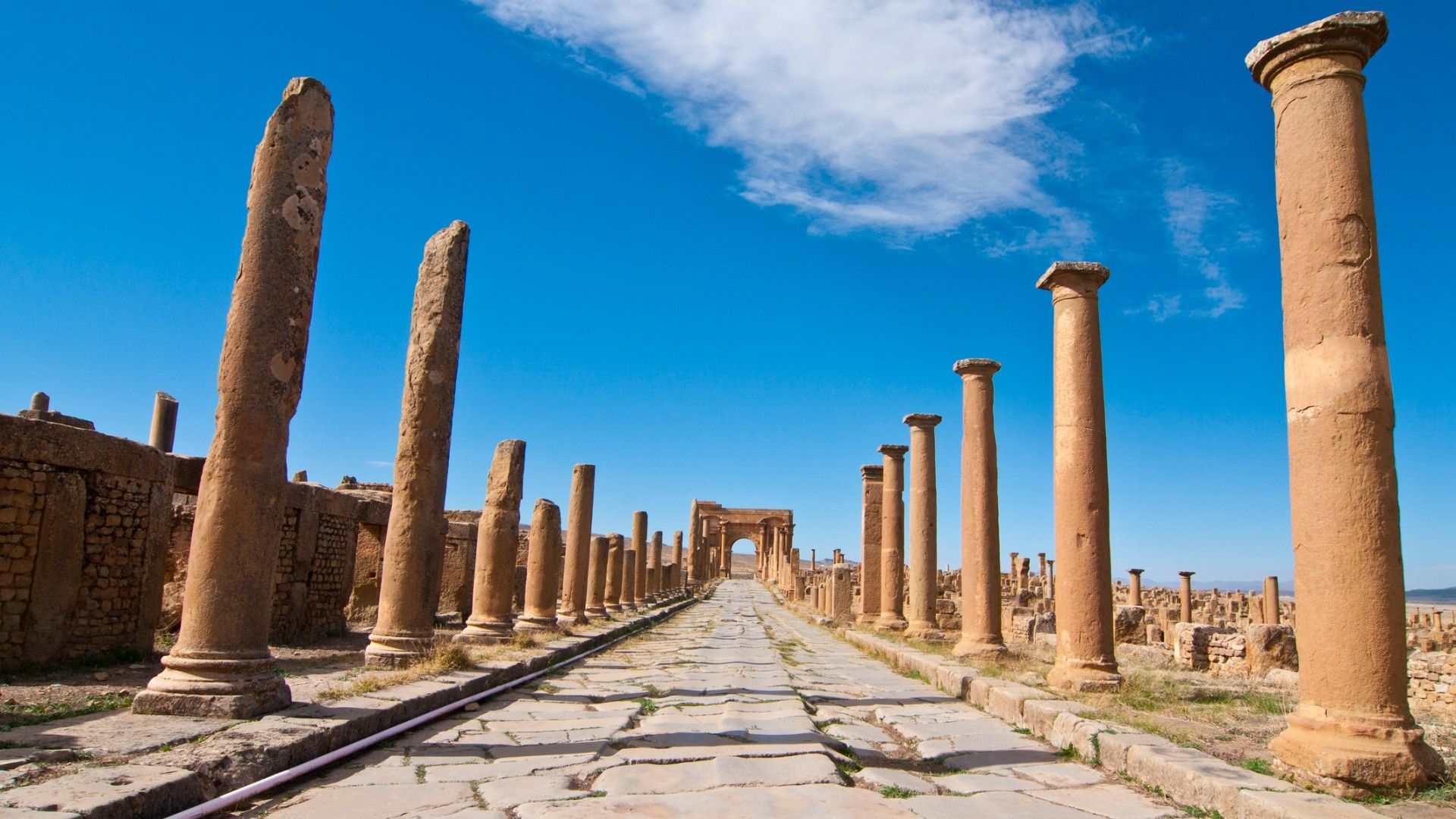
Ancient Roman cities, temples and amphitheaters across the Mediterranean will fall into the moon's shadow during the total solar eclipse on Aug. 2, 2027.
When you purchase through links on our site, we may earn an affiliate commission. Here’s how it works.
Ancient Egyptian temples will inevitably dominate the story of the total solar eclipse on Aug. 2, 2027.
After all, the path of totality crosses Luxor, home to Karnak, the Valley of the Kings, and some of the ancient world's most famous monuments. But follow the moon's shadow west and another ancient civilization comes into view. Before reaching Egypt, totality will sweep across the Mediterranean and North Africa, passing over an extraordinary collection of Roman cities, fortresses, theaters, temples and triumphal arches. Many lie within what became Rome's North African provinces, a region that produced some of the empire's wealthiest and most impressive cities.
From beachside Baelo Claudia in Spain and military Tamuda in Morocco to Timgad and Djémila in Algeria and the jaw-dropping El Jem Amphitheater in Tunisia, Roman ruins will experience between two and more than five minutes of darkness — creating extraordinary possibilities for eclipse chasers and photographers. Here are some of the best places to watch the moon's shadow cross what was once the Roman Empire. All times, totality durations and historical cloud cover data come from Time and Date.
Start of totality and duration: 10:44 a.m. CEST; 4 minutes, 31 seconds
Roman ruins, an Atlantic beach and the mountains of Africa could all share the frame with the eclipsed sun at Baelo Claudia. Founded in the second century B.C., this remarkably well-preserved Roman city near Bolonia beach includes a forum, basilica, theater, temples, baths and a decumanus maximus (east-west street), all set against forested hills and a vast coastal sand dune. For photographers, the possibilities are exceptional — columns and temples may provide an ancient foreground, while wider compositions could incorporate the beach and dunes. On particularly clear days, Morocco is visible across the Strait of Gibraltar — potentially putting Roman ruins, two continents and a total solar eclipse into one extraordinary scene.
Start of totality and duration: 10:48 a.m. CEST; 1 minute, 57 seconds
Few eclipse locations can offer two civilizations in the same photograph. Málaga's Roman Theatre was built in the first century B.C., when the city was part of the Roman province of Hispania, and today sits directly beneath the Alcazaba, the imposing Muslim-era palace-fortress that dominates the hillside above. Although its totality is considerably shorter than locations farther south, the photographic possibilities are compelling. From a carefully chosen position, it may be possible to frame the darkened sun with the theater's ancient stonework and the walls of the Alcazaba rising behind it. Another major advantage for eclipse chasers is that this extraordinary historical setting sits in the heart of Málaga, making it one of the most accessible ancient sites on the path of totality.
Start of totality and duration: 08:45 a.m. GMT; 4 minutes, 51 seconds