// ENGADGET — HARDWARE & GADGET
Neurable One review: The brain-scanning headphones that helped me stay focused
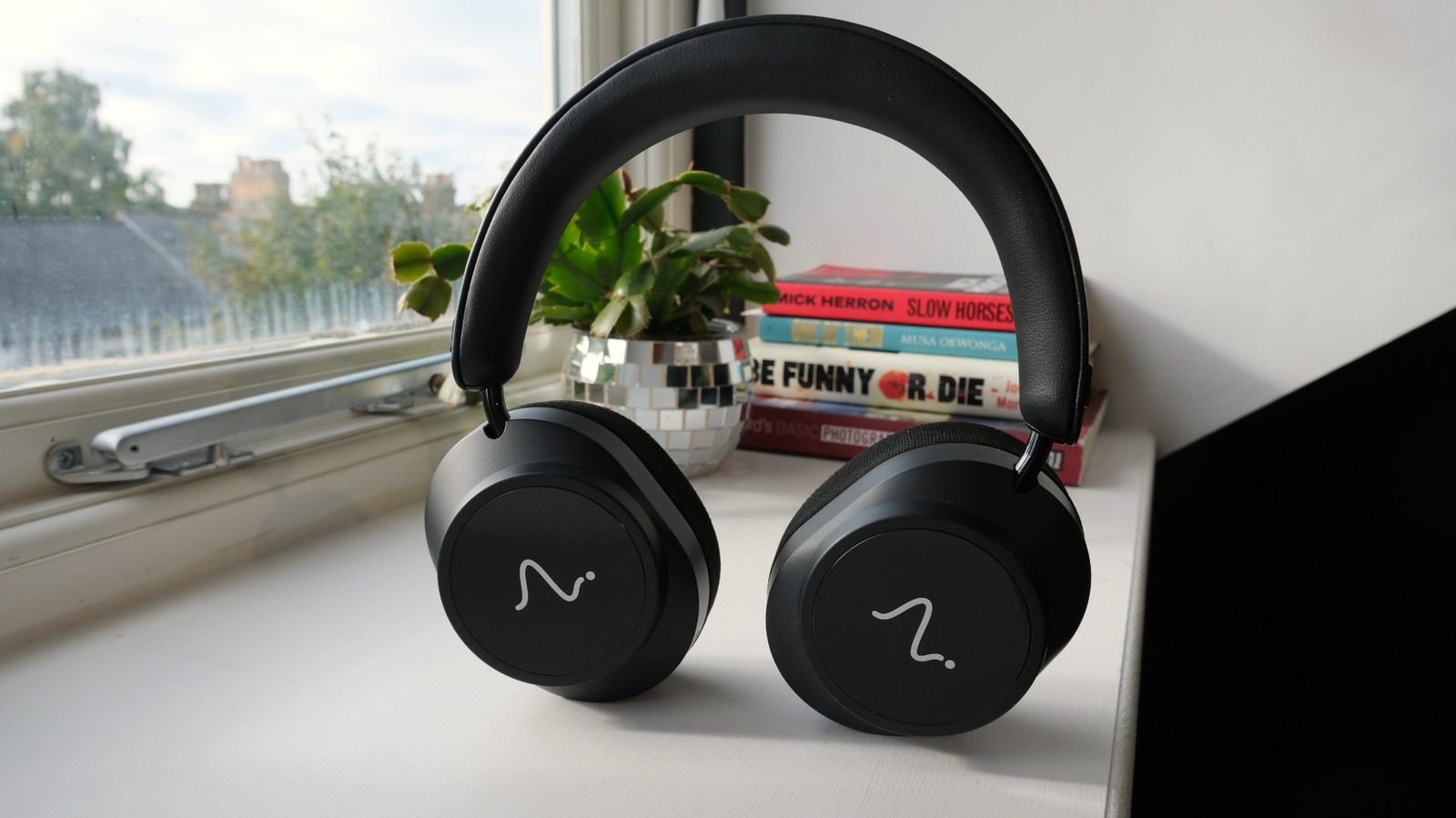
The cans hide a wearable EEG that tracks your attention.
I've always been fascinated by the inner workings of the human mind, and I've tested plenty of brain gadgets in my time. Sadly, all of them have been so clunky that they can only really be worn in the privacy of your own home. At least, that was the case. The Neurable One actually buries its brain-scanning technology into a pair of beefy over-ear headphones. It's designed to keep an eye on your focus levels and attention while you work, or meditate, wherever you are.
The company describes it as a "fitness tracker for your brain," so when your attention starts to drift, the headphones will remind you to keep your focus where it needs to be. And, if things continue to go wayward, you'll be advised to take a break and come back fresh rather than burning out halfway through the day. In that regard, it's been fascinating to see how the system thinks my brain operates on a regular basis.
The Neurable One is cheaper than its predecessors and its competitors, and Neurable has improved its software platform. If there's a downside, it's that as much as I've loved my time with them, it's hard to think anyone other than nerds like me will want to use them.
Neurable spun out of a project from the University of Michigan in 2015, with the goal of building Brain Computer Interfaces (BCIs) and algorithms to interpret that data. The focus is on cognitive performance as there's plenty of military and civilian applications for the technology. Despite the name, Neurable One is actually the third pair of EEG headphones the company has made. In 2024, it partnered with Master & Dynamic on the MW75 Neuro, and a year later the Neuro LT, a lighter version of the same product addressing user comfort issues. This time out, Neurable is going it alone without the backing of any fancy audio brands.
At a glance, you'll struggle to notice much difference between this and its predecessors, as any variances are mostly aesthetic tweaks. Button placements are the same, but they're now pill-shaped rather than the circles found on the older models. The logo on the earcups has changed from M&D's icon to Neurable's signature brainwave, and there are fewer vents. In fact, the biggest difference is the loss of the cantilevered armatures joining the headband to the earcups, which have been replaced with standard hardware here.
It's a similar story inside the body as well; the Neurable One is more or less equipped with the same gear as before. You'll get the same 40mm Beryllium drivers, Bluetooth 5.2, AAC and aptX, albeit with six microphones — down from the eight on the MW75 Neuro. As before, each earcup has a series of dry-fit EEG sensors woven into the earpads which sit around your ear.
Neurable's pitch is to help people gain deeper insights into their own cognitive performance through the day. It contends that, much like the rest of our body, our minds have enough fuel to get us through the day, but not at full-tilt, full-pelt output. The company says it's a better idea to, when your attention and focus starts to wane, take a break ahead of you burning out. Neurable argues that spending a quick five minutes staring out of the window is better than getting a headache and not functioning for an hour.
Strap the headphones on at the start of the day and the system will keep an eye on how you're doing. Do this over a period of days, or weeks, and you'll get a sense of where your focus is at its highest and lowest. You can then adjust your working patterns to suit those stats. The Neurable One works equally well when you're meditating or relaxing, giving you insights as to how and when your mind rests.
One of my eternal gripes with a lot of wearable EEGs (and other fabric sensors more broadly) is that the sensor pads are often fussy. They often don't work at all if they're bone dry and the skin they're in contact with is dry as well, which frustrates me. I've regularly had to gently dab the pads with cold wat