// ENGADGET — HARDWARE & GADGET
5 gadgets you should never buy used
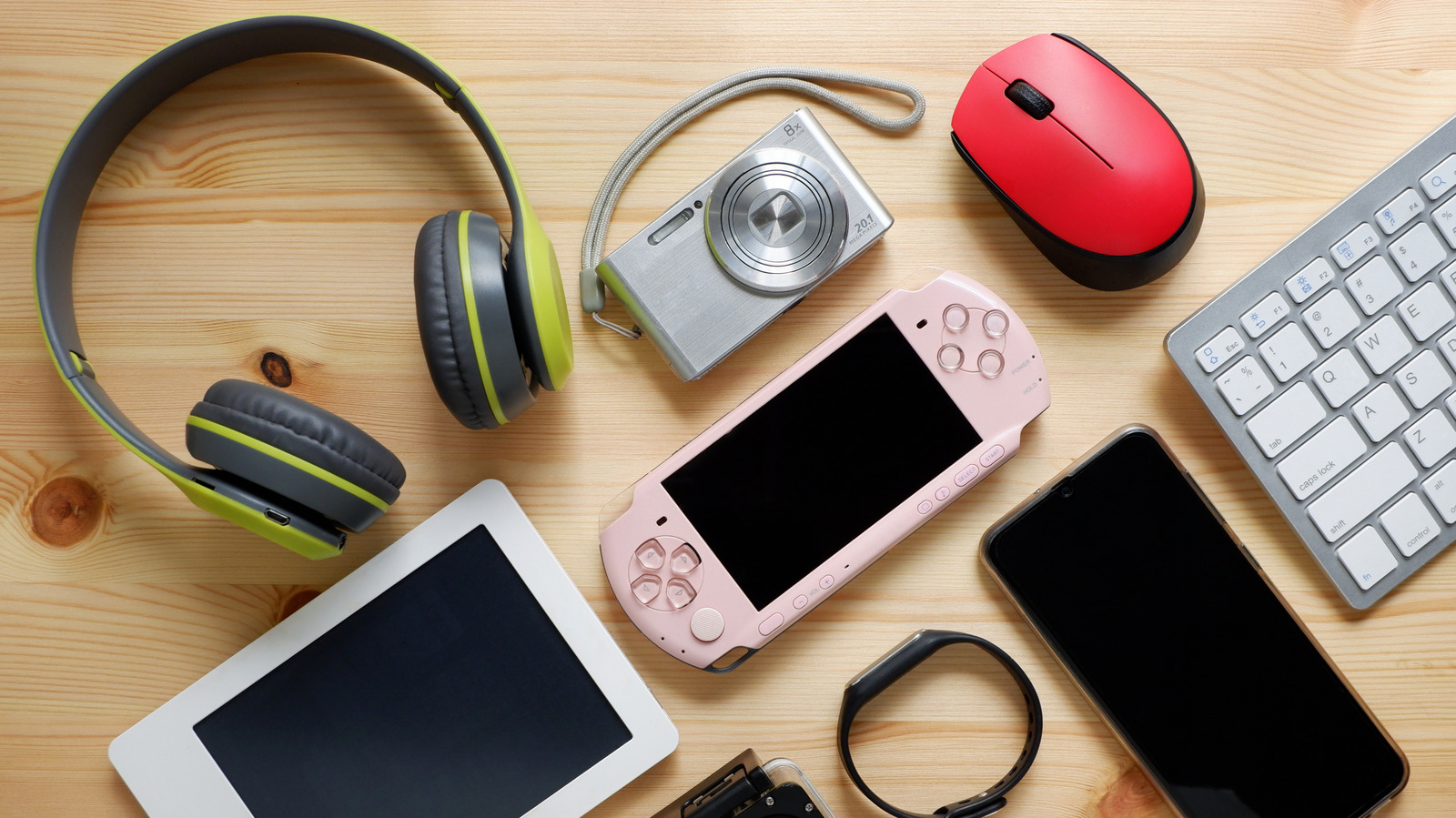
For some categories, the savings simply aren’t worth the tradeoffs.
Opting for used tech is a great way to bring down costs, and in many cases, giving up the "wow" factor of opening a brand-new device can be worth the savings. A used phone, tablet or laptop can have years of use left if you buy a model that's not terribly old and trust the previous owner. It's the same with game consoles, monitors and other devices that can have a lot of life left in them.
However, even with tempting discounts, there are some categories of tech products where you should skip used and buy new (or perhaps refurbished). Plus, some of these devices raise hygiene concerns, like earbuds and other wearables, while some device categories can lose reliability with age or use, such as hard drives and battery banks. So the next time you're shopping at a thrift store or browsing a local classifieds page online, don't go for any of these products. It's also worth keeping these points in mind before you list any such used tech for sale yourself.
This is likely the first category that comes to mind when you think of something you wouldn't want to use after someone else. Earbuds go fairly deep into our ears and pick up a lot of earwax, sweat and other nastiness over time. Even if you replace the ear tips while properly cleaning and sanitizing your secondhand tech, it's not pleasant to think about those buds having been in someone else's ear canal.
Over-ear headphones aren't quite as bad, but still pick up a lot of facial oils, dandruff and other bodily debris. Some models have replaceable ear pads, but not all do — plus the headband and insides of the earcup housing can stay greasy even if you've replaced the other parts.
Aside from hygiene, battery degradation is also a worry (which is a common theme). Most true wireless earbuds don't have a good way to replace their batteries, so you're stuck with whatever battery health the previous owner left off at. If you bring your AirPods to Apple for a battery replacement, you'll actually get replacement earbuds with a discount for trading in the old ones, which is why we recommend you don't throw away your old AirPods.
To save on headphones, look for a new version of an older-gen model. That way, you're the only one to have worn them and you know the battery is brand-new.
It's worth pausing before you consider buying a used Fitbit, smartwatch or similar. A device that lives on someone's wrist all day is more likely to get scratched or take similar damage from bumping into walls than a phone that sits in a pocket. Also, your tech may not be as waterproof as you think; neither water nor dust resistance is permanent. If you often bike in a gritty environment or wear your smartwatch while swimming, an old model could succumb to the elements well before a new one would.
Given the fitness uses for most wearables, a used model might be filthy, but this is less of a concern than with earbuds since you can swap the bands and properly clean the body more easily. The long-term battery health concern also applies here; wearables have small batteries that often have to be charged more frequently than phones, so the battery capacity from a long-used model could be poor. A battery replacement might be possible, but too expensive to be worth the cost. An Apple Watch battery replacement is usually $99, for instance.
If you see a good deal on a used smartwatch or fitness band, make sure you're shown clear pictures, review the battery capacity of the unit and ask how the prior owner typically used it. Also be aware of how long it will receive updates, so you don't get stuck on an old OS version.