// ITS FOSS — LINUX & OPEN SOURCE
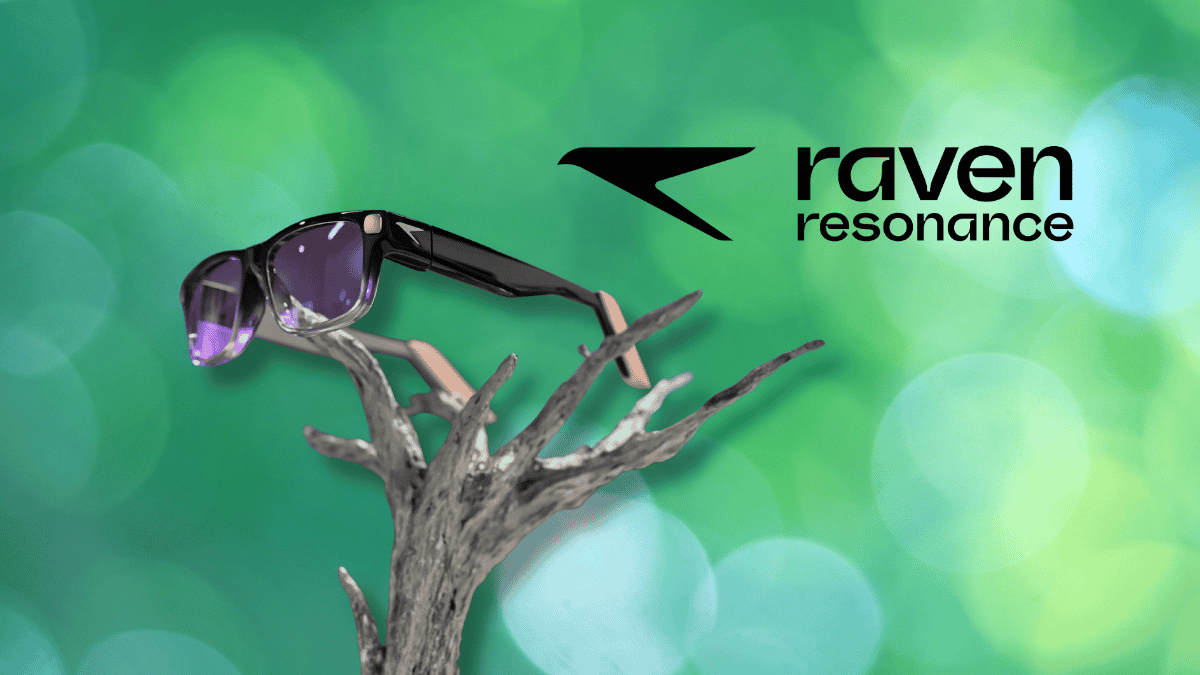
Raven Prism is a Linux Computer That Happens To Be A Pair of Glasses
Smart glasses have become a real consumer product over the past year, being at the center of some pretty funny brainrot and outdoorsy content.
Meta's partnerships with Ray-Ban and Oakley have put AI-powered glasses on faces across global markets, pitching voice-activated AI assistants, integrated cameras, and phone notifications as the selling points.
The privacy record of those products, however, is extremely disturbing. Meta's AI features push footage from the glasses to their servers for processing, and an investigation earlier this year confirmed that human contractors had reviewed people's most intimate moments.
Then there's the more recent fiasco, where Meta was caught sneaking face recognition code for its smart glasses onto millions of phones. This quietly laid the groundwork for a system that could match any face the glasses saw against stored biometric signatures.
All of that doesn't instill much confidence, but these devices can be useful if the company behind them actually cares about its users rather than harvesting their soul… err, data.
There's a new one being launched by a San Francisco-based startup that has some impressive specs, is powered by Linux, and isn't looking to sell user data.
Founded by Thomas Suarez, Raven Resonance is a wearable computing startup with a diverse team of engineers who have experience building wearables, spatial computing, and other electronic gadgets.
The Raven Prism is what they call the world's first ambient computer rather than a smart glass. I know, I implied that this was a smart glass at the start, because to me it looks like one.
It is a standalone Linux computer that can be your everyday prescription (−4.5 to +4.5 diopters) or non-prescription eyewear that does not depend upon a smartphone to function.
The ambient computing concept, as the company describes it, is technology that is present when you need it and stays out of the way when you don't.