// PC GAMER — GAMING
Valve's latest SteamOS is out with 'initial support for upcoming Steam Machine hardware'
And the OLED charging LED works like it should now.
When you purchase through links on our site, we may earn an affiliate commission. Here’s how it works.
After a standard spell in beta, the latest iteration of SteamOS—Valve's Arch-based Linux distro for use on Steam Deck, Steam Machine, and Steam Frame—has hit the big three-eight. Or, well, three-point-eight. SteamOS 3.8 is out, is what I'm saying, and if you turn your face to the wind and inhale, you can detect the first notes of upcoming hardware.
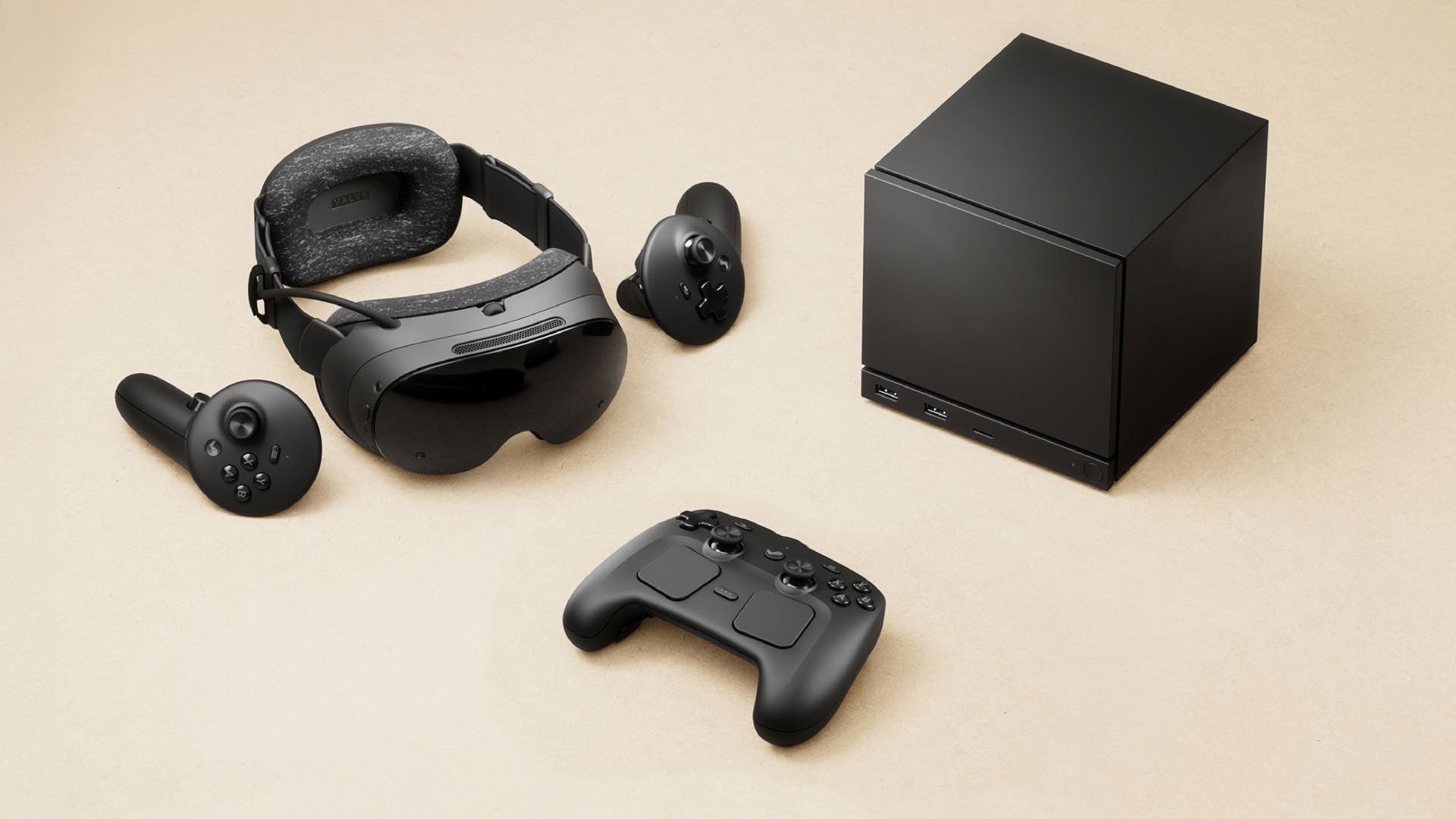
Specifically, the Steam Machine, for which SteamOS 3.8 brings "initial support," as well as support for waking a SteamOS device from sleep via a connected Steam Controller. Alas, no word on the Steam Frame in these patch notes, but consider me as eager as ever to get my hands on Valve's living room box, presuming the RAM crisis has not made it cost $5,000 dollars.
But this is a pretty big release even excluding the GabeCube stuff. I'll stick the full patch notes down below, but there are a number of tweaks and new features that leap out to me as a longtime Deck user. Chief among them is that yer Deck now defaults to Wayland rather than X11 in desktop mode.
Those are two different display servers for Linux desktops—the gubbins that make your GUI function when you're not working straight in the virtual console like god intended. To cut to the chase: X11 is the old one (and as such, tends to have greater compatibility and work better for some particular tasks, at least for now) and Wayland is the new one (though it's been out in some form for nearly 20 years)—it's more secure and generally a bit more dextrous for most tasks.
So swapping to Wayland-by-default means that SteamOS has reduced "several cases of reduced performance in Desktop Mode compared to Game Mode" on your Steam Deck, desktop mode also has better scaling on TVs, support for external HDR displays, and support for VRR displays. The kind of stuff you might care about if you were making an OS for a device that's expected to live underneath people's TVs.
There are also new BIOSes for the LCD and OLED Decks, which will be installed as part of the general 3.8 update when you run it. The LCD one, sorry to say, isn't too exciting, save that it adds preliminary support for device hibernation. OLED, though? Valve's updated the Deck so that the charging LED now respects your device charging settings. If you set your Deck to top out at 80% charge for battery health reasons, then the LED will turn green—meaning fully charged—when it reaches that point, rather than remaining standard 'charging' white for eternity.
All good stuff, then. Here are the full patch notes for your perusal.
Keep up to date with the most important stories and the best deals, as picked by the PC Gamer team.