// BBC ENTERTAINMENT & ARTS — MODA & SOCIETÀ
Eurovision Song Contest changes rules for countries at war
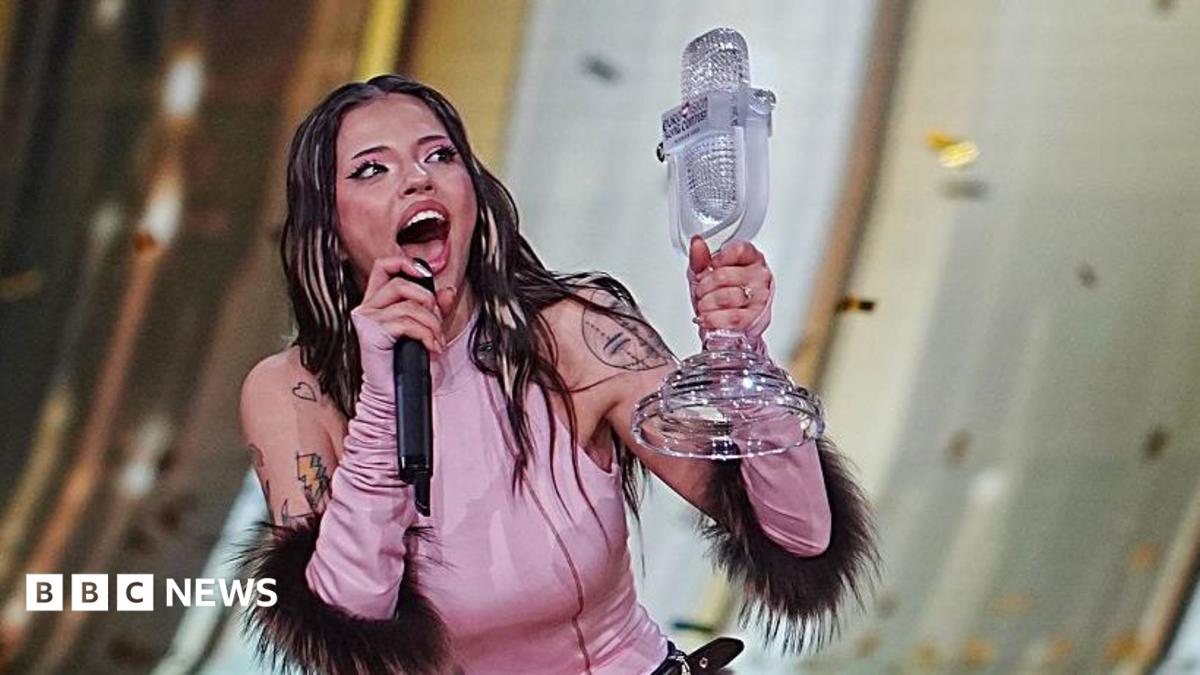
Bulgarian singer Dara won this year's Eurovision Song Contest in Vienna
Organisers of the Eurovision Song Contest have updated their rules to state that if a country involved in an armed conflict wins the competition, it will be ineligible to host it the following year.
The amendment was approved by the contest's governing body, following feedback from participating broadcasters after Eurovision 2026 in Vienna.
It states that winning countries will also be disqualified from hosting if a "sensitive geopolitical situation" affects the "security, safety or stability of their state or immediate region".
The update will be interpreted as a reaction to Israel's continued presence at the contest, amid criticism of its military actions in Gaza and the Middle East.
Last November, following a failed attempt to have Israel suspended, five broadcasters announced they were boycotting the competition - including Eurovision powerhouses Spain and Ireland.
Despite the protests, Israel's Noam Bettan ultimately took second place with his song Michelle.
It marked the second year in a row that Israel had taken the runners-up position - and some participating broadcasters have privately expressed safety concerns over the contest being staged in Jerusalem or Tel Aviv, should the country win in the future.
Although Israel will undoubtedly be seen as the target of the rule change, it will also affect Ukraine, which has been engaged in a protracted war since it was invaded by Russia in 2022.
Ukrainian group Kalush Orchestra went on to win Eurovision that, in a symbolic show of public support.