// SPACE.COM — SPAZIO & SCIENZA
How to image the planets with a telescope and camera
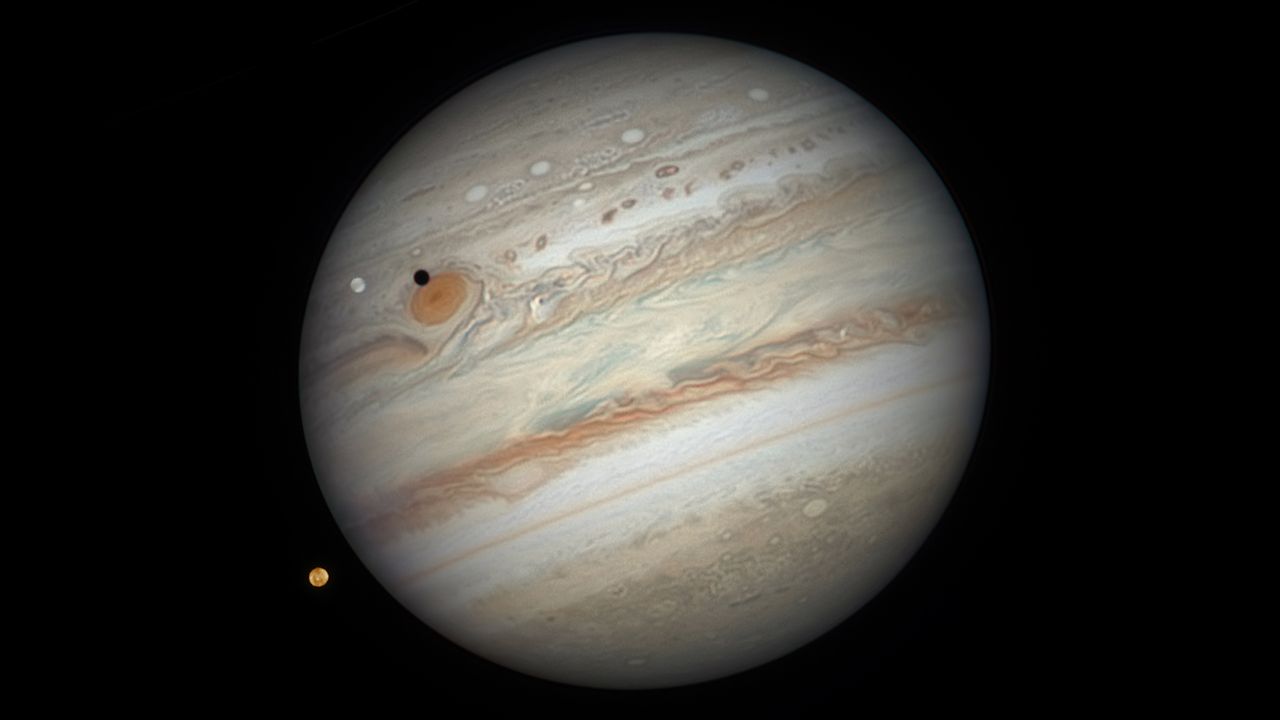
Follow our step-by-step tutorial to photographing Jupiter, Saturn, Mars and Venus with a telescope and camera from your backyard, using affordable gear.
When you purchase through links on our site, we may earn an affiliate commission. Here’s how it works.
The night sky holds endless wonders, but few experiences match the thrill of photographing planets in vivid detail. With even a modest telescope and camera setup, you can capture cloud bands on Jupiter, the majestic rings of Saturn or the polar caps of Mars — images once the preserve of professional observatories. This technique, known as lucky imaging, records short video clips at high frame rates to freeze fleeting moments of steady air, then stacks the sharpest frames into one crisp photo.
No advanced skills are required to start. Whether you own a modest backyard telescope or are shopping for your first planetary camera, this guide provides everything needed to succeed. You will learn a complete workflow that takes you from set-up to finished image, explore why certain planets are easier than others and find answers to practical questions that beginners often ask.
Clear skies, patience and practice are your only limits. Soon you will be creating gallery-worthy shots right from home.
Planetary imaging relies on video capture rather than single long exposures. Follow these 12 steps for reliable results with most setups. Planning observations in advance is essential!
Check conditions and plan your target. Use a planetarium app such as Stellarium or a site like TimeAndDate.com to confirm the planet is visible and high in the sky. Review weather forecasts and seeing predictions on ClearDarkSky.com or Windy.com. Good seeing — stable, calm air — makes all the difference when it comes to this kind of imaging!
Set your telescope up outdoors early. Allow it to cool for at least a couple of hours so that internal air currents do not blur the view. Level the tripod and power on your motorized mount.
A motorized tracking mount is essential. For GoTo systems such as Celestron NexStar models, perform a quick two-star alignment and sync directly on the planet. Equatorial mounts need polar alignment for smooth tracking. Alt-az tracking Dobsonians need just a quick one- or two-star alignment to get you underway.
Centering the planets make take a little while, less with a GoTo mount, but it's absolutely essential.