// BBC WORLD NEWS — MONDO
Conditions on US aircraft carrier at sea for more than 250 days raise alarms
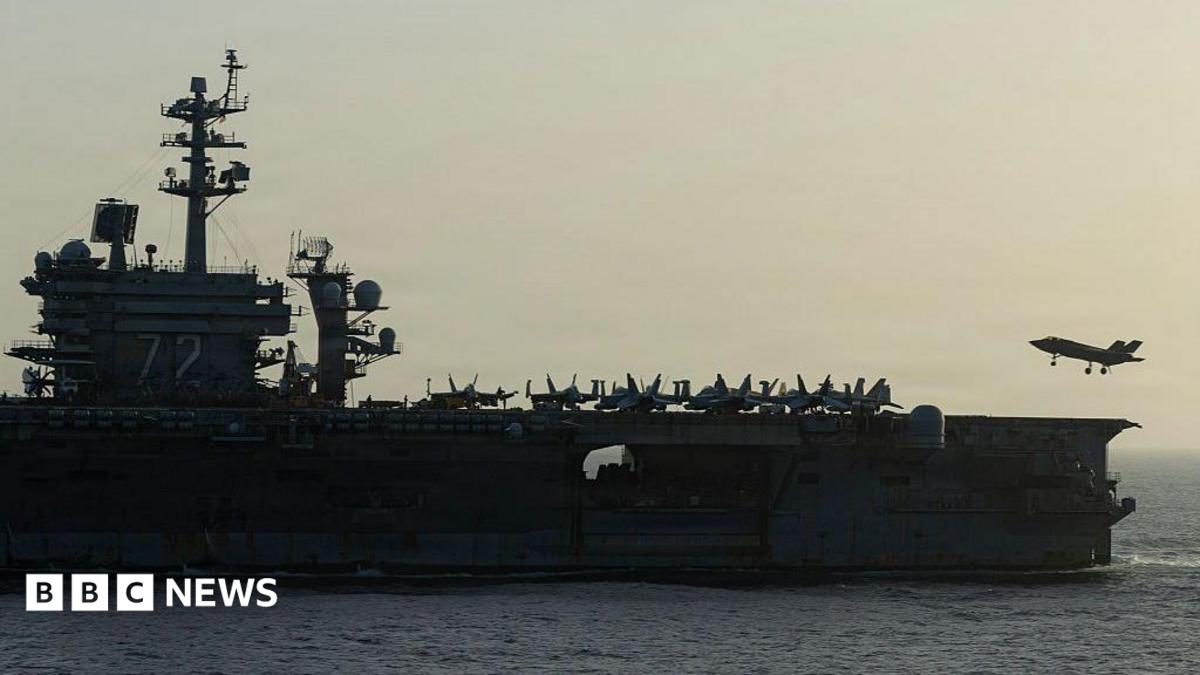
Concern about living conditions on a US aircraft carrier that has been deployed in the Middle East for more than 250 days is leading a US senator to demand answers from the military about the vessel and putting more pressure on the Trump administration over the Iran war.
Reports suggest US military members aboard the USS Abraham Lincoln are living with food shortages and broken plumbing and that there have been suicide attempts.
Defence Secretary Pete Hegseth on Thursday called the reports "completely misrepresented".
The carrier left San Diego in November for the South China Sea and was then sent to the Middle East ahead of the attacks on Iran in February. No return date has been announced.
Connecticut Senator Richard Blumenthal listed the reported hardships on the carrier, where about 5,000 people are on board, in a letter to Hegseth: "Shortages of basic supplies, water contamination, plumbing issues, deteriorating mental health, deck safety concerns, and disruptions in the mail system, which have caused many care packages in route to the ship to be lost in transit for months."
"These reports warrant immediate attention," the Democrat, who serves on the Armed Services Committee, wrote, "but they also raise a broader question: whether the Navy can sustain the operational tempo now being demanded of its carrier force."
The Military Times and Stars and Stripes reported on Tuesday that multiple sailors on the carrier had considered suicide or attempted to jump overboard, according to their family members.
CBS News, the BBC's US partner, has reported that last month a sailor went overboard and was recovered safely, citing two unnamed officials. The circumstances are currently under investigation.
Following those reports, a Navy official told the BBC they had not identified an increase in reported suicidal ideation or suicide attempts aboard the ship and that "traditional supply hubs" had been "disrupted by combat actions".
The Navy was putting a priority on "mission-critical supplies".