// NASA BREAKING NEWS — SPAZIO & SCIENZA
Career Spotlight: Mechanic (Ages 14-18)
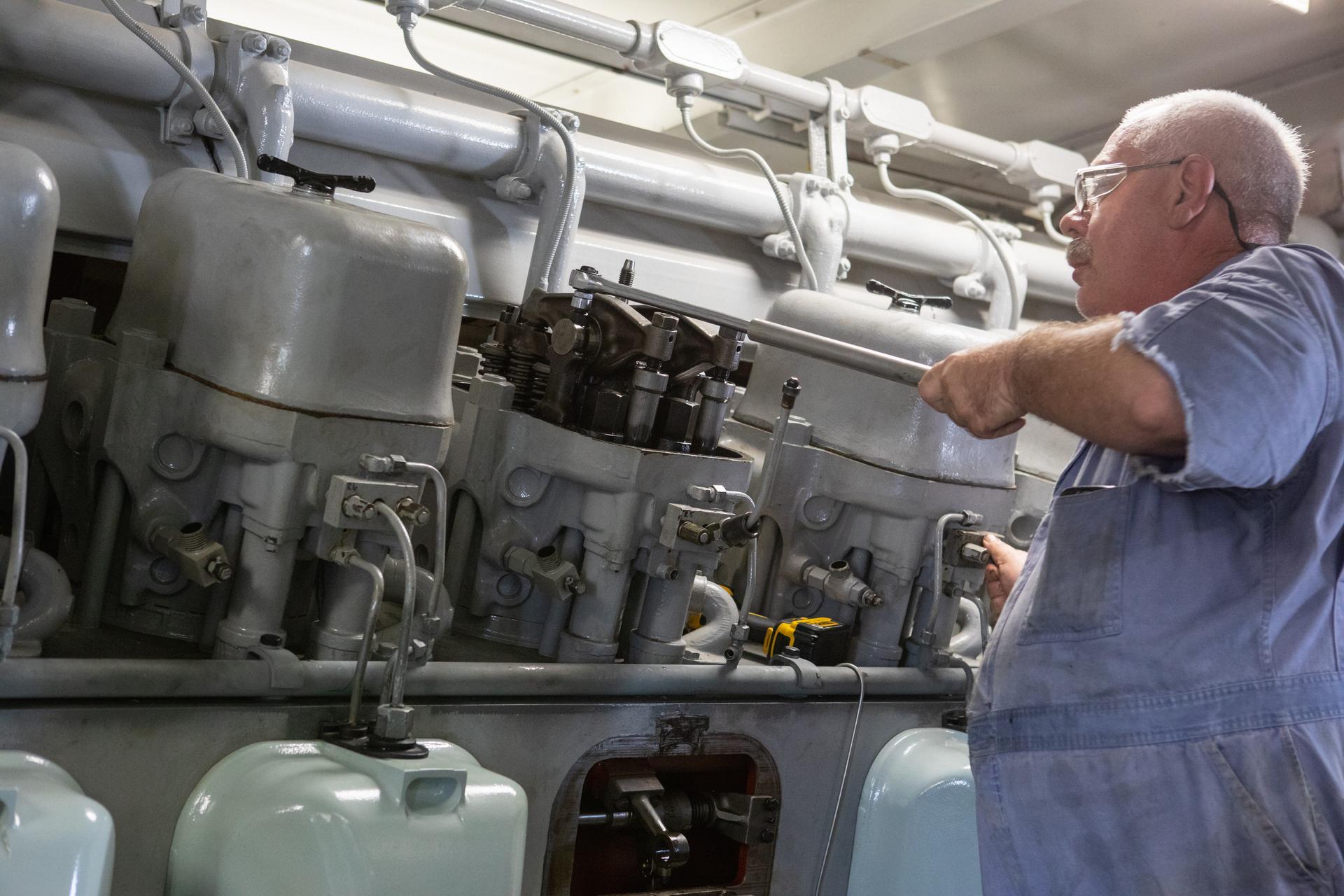
Machines and engines are all around us. They power everything from cars and boats to airplanes and even rockets. Mechanics are experts who know how machinery works, especially engines, and how to fix them.
When you think of a mechanic, you might picture someone working on cars. But mechanics can be experts on all kinds of machinery.
At NASA, mechanics perform a variety of functions. For example, aerospace mechanics maintain the airplanes studied at NASA’s Armstrong Flight Research Center in Edwards, California. These might include research planes studying the environment or experimental aircraft testing new wing designs.
At NASA’s Kennedy Space Center in Florida, mechanics keep machines like the crawler-transporters in top working condition. These massive machines carry rockets from the building where they are assembled to the launch pad.
Mechanics at the agency’s Michoud Assembly Facility in New Orleans ensure the fleet of barges used to carry powerful rocket sections are maintained and ready to use. These large ships have been used for decades to carry rocket parts to various NASA centers for testing and launches.
There are many options that provide the training needed to get started as a mechanic. Different types of mechanics require different types of training and certifications. Here are a few examples.
Automotive mechanic: Automotive mechanics are experts at the interconnected systems in cars and trucks. After getting a high school diploma or GED, seek out trade or technical schools that have mechanic training programs. These provide hands-on experience. Further training may be required to work on specific types of automobiles. Certifications can help you advance specific skills and demonstrate proficiency.
Heavy equipment mechanic: The path to a career as a heavy equipment mechanic often begins with a two-year degree. Look for a program at your local community college or technical school. Opportunities to begin working right after high school are also available. You may start by doing basic tasks or by being paired with a senior mechanic to build skills. Most heavy equipment mechanics go through three to four years of hands-on training before taking certification and licensing tests.
Aircraft mechanic: Maintaining and repairing aircraft requires a special skillset. Community colleges and technical schools offer programs approved by the Federal Aviation Administration. These programs can fast-track your route to a career. They provide hands-on experience and help you prepare for tests needed to receive your certifications.
For many mechanic roles, military service is also a way to get training and certifications.