// SPACE.COM — SPAZIO & SCIENZA
Mysterious Russian 'space activity' causes US Air Force flight to Antarctica to turn around: report
An FAA notice issued last week advises that "Russian aerospace activities will take place" and that there is "possible debris" in several areas throughout airspace over the southern Indian Ocean.
When you purchase through links on our site, we may earn an affiliate commission. Here’s how it works.
A mysterious incident over the southern Indian Ocean forced a U.S. Air Force aircraft to turn around due to an unnamed hazard in space.
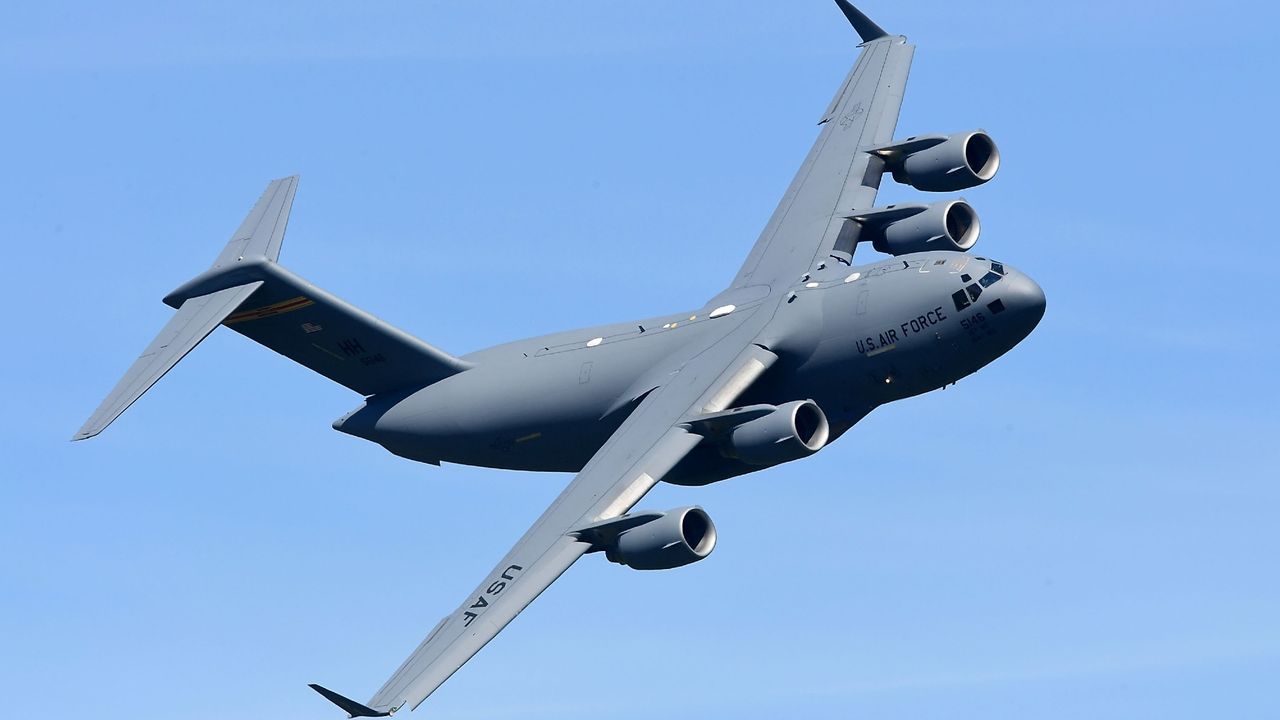
According to several New Zealand-based news outlets, a U.S. Air Force (USAF) C-17 Globemaster transport aircraft left Christchurch Airport on New Zealand's South Island on Tuesday (Aug. 18) bound for McMurdo Station in Antarctica. Aircraft trackers using flight radar software noticed the C-17 turn around over the ocean some two hours into its flight.
According to a statement from New Zealand's Civil Aviation Authority given to the country's Stuff news outlet, the C-17 turned around after the Russian Air Traffic Management Corporation issued a notice advising of "space activity, potentially hazardous to aviation en route to Antarctica." It still remains unknown what that activity might have entailed, and the USAF has yet to issue a statement.
The U.S. Federal Aviation Administration (FAA) issued a NOTAM (Notice to Airmen) on Aug. 10 for a large region of airspace over Australia and the Indian Ocean known as the Melbourne Flight Information Region, or YMMM. The notice states that, beginning on Aug. 14, "Russian aerospace activities will take place" and that there is "possible debris" in several areas throughout the massive YMMM airspace.
It's possible that the notice that caused the C-17 to turn around was related to this NOTAM, which was still active as of Tuesday.
There is precedent that might give some clues as to what that aerospace activity might have been.
In the last few years, pieces of falling space debris reentering Earth's atmosphere have caused several airspace closures. In November 2022, for example, the core stage of a Chinese Long March 5B rocket fell to Earth in an uncontrolled reentry over Spain, prompting multiple airspace closures out of caution.
In January 2025, SpaceX's Starship exploded on its seventh test flight, raining fiery debris over the Atlantic Ocean near the Turks and Caicos islands. The FAA activated a "Debris Response Area" near the falling debris, causing some aircraft to have to divert to secondary airports due to low fuel.