// SPACE.COM — SPAZIO & SCIENZA
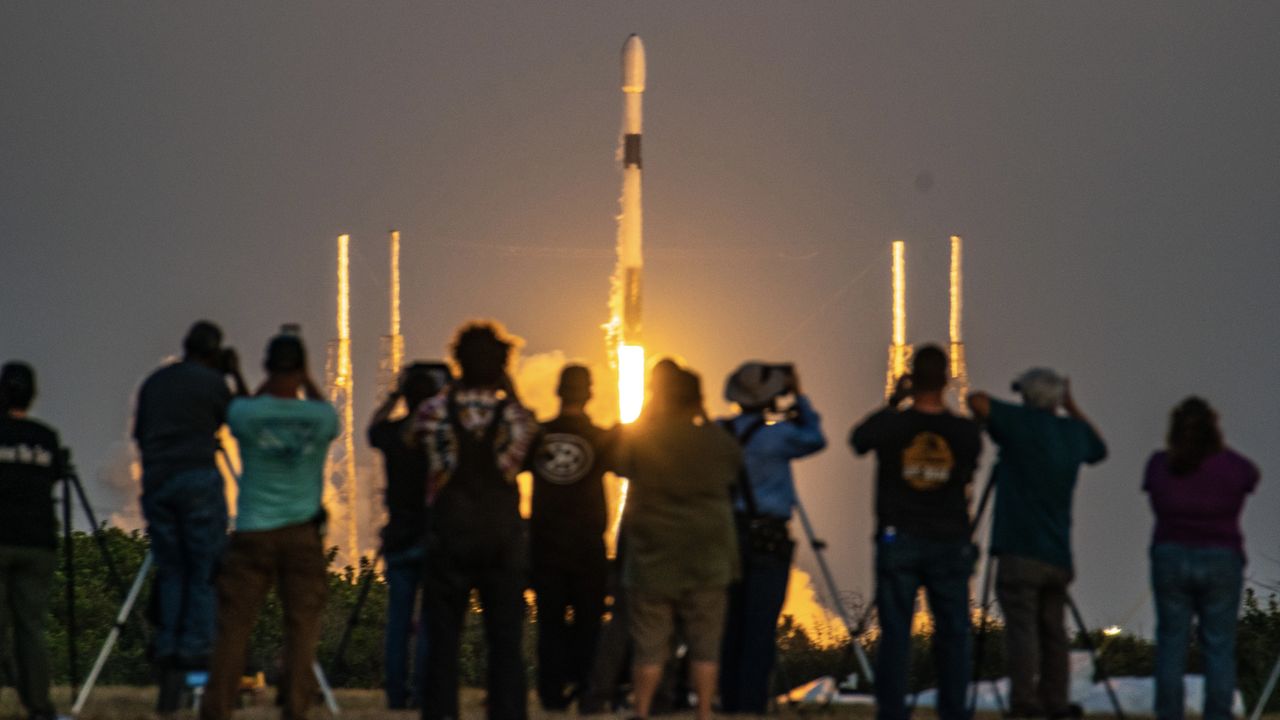
Goodbye, Falcon 9: SpaceX planning to retire workhorse launcher when Starship is up and running
When you purchase through links on our site, we may earn an affiliate commission. Here’s how it works.
The rumors are true. SpaceX plans to retire its workhorse Falcon 9 rocket once the company's giant next-generation Starship begins regular operational flights.
SpaceX launched the Falcon 9 for the first time in 2010, and the rocket soon chiselled itself a place in spaceflight history. The Falcon 9 has lifted off nearly 700 times to date, and it's the first orbital rocket ever to land and refly its first-stage booster. Russia's Soyuz rocket, which has been in operation since 1957, is the only launch vehicle with more missions under its belt, but the Falcon 9 is on track to pass it next year.
However, "winding down Falcon" — both Falcon 9 and Falcon Heavy, a triple-booster variant that has flown 12 times to date — is inevitable, SpaceX founder and CEO Elon Musk said in an Aug. 22 post on X. "Once Starship is flying reliably several times per week, it makes sense to shift … production resources to Starship to get launch rate to several times per day," he wrote.
The impact of Falcon 9's absence from the launch market can't yet be known, but industry reports suggest that SpaceX may discontinue all but a few Falcon 9 missions beginning in 2028. The ones that remain will likely include crew and resupply missions for NASA to the International Space Station (ISS), which is expected to continue flying until at least 2030, meaning that commercial operators will have to start looking to Starship to deliver their satellites to space.
When exactly SpaceX will begin to wind down Falcon 9 will depend on the continuing development of Starship. Unlike its predecessor, Starship is built for full reusability, with the rocket's Super Heavy booster and Ship upper stage both designed to return to Earth for recovery and reflight. (Falcon 9 and Falcon Heavy upper stages are expendable.)
And Starship is bigger than Falcon 9, too. The current Version 3 (V3) Starship stands 408 feet (124.4 meters) tall, towering over the 230-foot tall (70 m) Falcon 9, and is capable of launching substantially heavier payloads to space. Starship is expected to be able to deliver more than 100 tons to low Earth orbit (LEO). By comparison, Falcon 9 and Falcon Heavy can carry about 25 tons and 63 tons to LEO, respectively.
The majority of Falcon 9 missions over the past few years have been dedicated to SpaceX's Starlink satellite internet network, with more than 300 launches since 2023 adding to the growing constellation of over 11,000 spacecraft. The more powerful next generation of Starlink satellites, however, are bigger, and designed to fit in Starship's payload bay, not atop the Falcon 9. And once Starship is launching reliably (and even before then), SpaceX plans to begin upgrading its Starlink network with the newer satellite version.
That will likely kick off an exponential upward trend for Starship launches. This happened with the Falcon 9, after all. SpaceX launched the rocket just 11 times in 2019, the year the company began assembling its Starlink constellation. In 2025, Falcon 9 flew a whopping 165 missions, and 122 of them were Starlink flights.
NASA has also contracted SpaceX to design a version of Starship for use as a lunar landing vehicle for the space agency's Artemis missions. A Starship V3 is in line to launch on the Artemis III mission next year, which will practice docking operability in LEO with NASA's Orion spacecraft. Starship has also been slated to deliver astronauts to the surface of the moon on Artemis IV in 2028. That's also when SpaceX has told NASA that it plans to end commercial Falcon 9 launches, according to Ars Technica.