// BBC UK NEWS — CRONACA
Why Pride is facing a backlash - from inside and outside the LGBT community
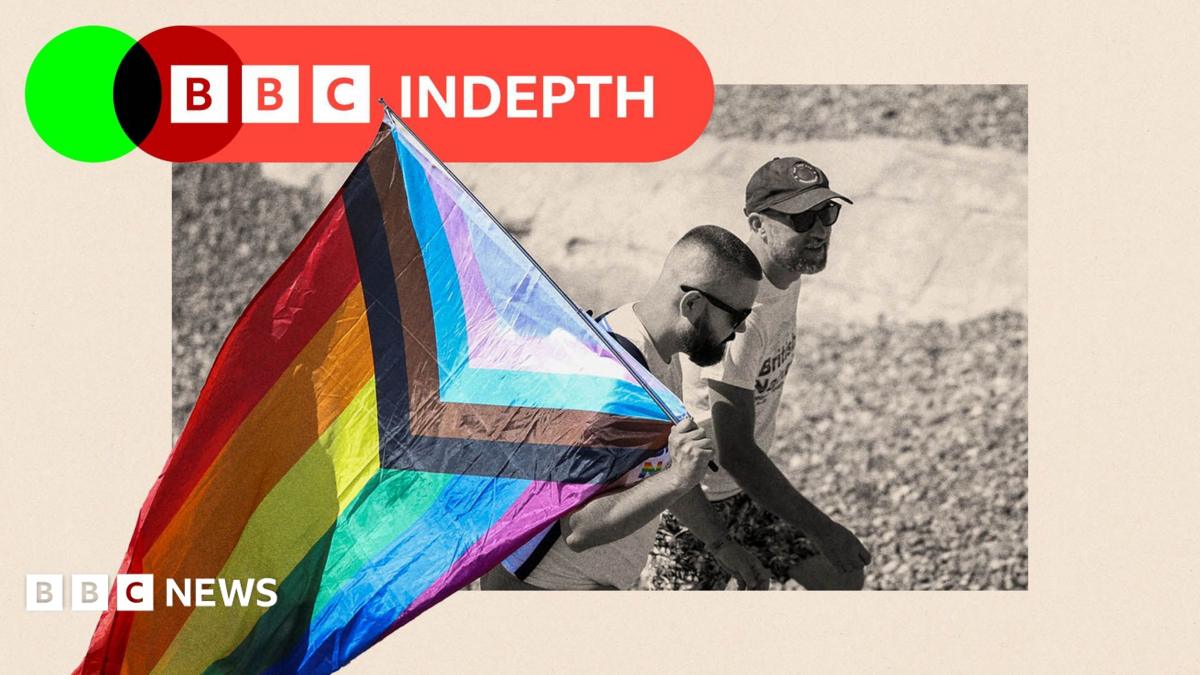
Why Pride is facing a backlash - from inside and outside the LGBT community
Matt left Crewe as soon as he could, aged 18, feeling that he wasn't accepted as a young gay man. The only LGBT scene to mention was a tiny, makeshift bar behind a curtain in the back of an out-of-town pub.
He left in 2015, but this June found himself returning home, for Crewe Pride.
For Matt, it was a significant homecoming. "It really took me back to when I was a kid growing up here, trying to navigate my identity. It felt so important to be there and see how a town that wasn't particularly welcoming… has changed and flourished."
For many, these small, community Pride events feel a world away from the huge celebrations in the UK's largest cities.
But Matt's happy weekend in Crewe masks a growing culture war over Pride. Over the last few years, a number of councils have withdrawn their support for Pride festivals, while some big brands - perhaps nervous about being seen as too "woke" - have become hesitant to associate themselves with them. On top of all that, there's a long-running complaint from some LGBT campaigners that Pride has become overly commercialised; while the argument over trans issues has also made matters more fraught.
It's leading some to ask: what future do Pride events have?
Pride started as a protest, with Britain's first official Pride march in London in 1972. Homosexuality was illegal in the UK until 1967, and LGBT people lost jobs and housing because of their sexuality, while police forces frequently targeted the community with raids and surveillance that made everyday life precarious.
In Manchester, Pride started small in 1985. A bring‑and‑buy sale on Canal Street was organised to raise money to spruce up the rather drab-looking hospital ward treating those with HIV and Aids at the height of the epidemic.
The police's raid in June 1969 of the Stonewall Inn, in New York, sparked the now-famous Stonewall riots