// TOM'S HARDWARE US — HARDWARE & GADGET
Polls reveal local utility hikes and noise drive US data center protests, not anti-AI sentiment— beliefs and political affiliation had minimal impact on AI data center views
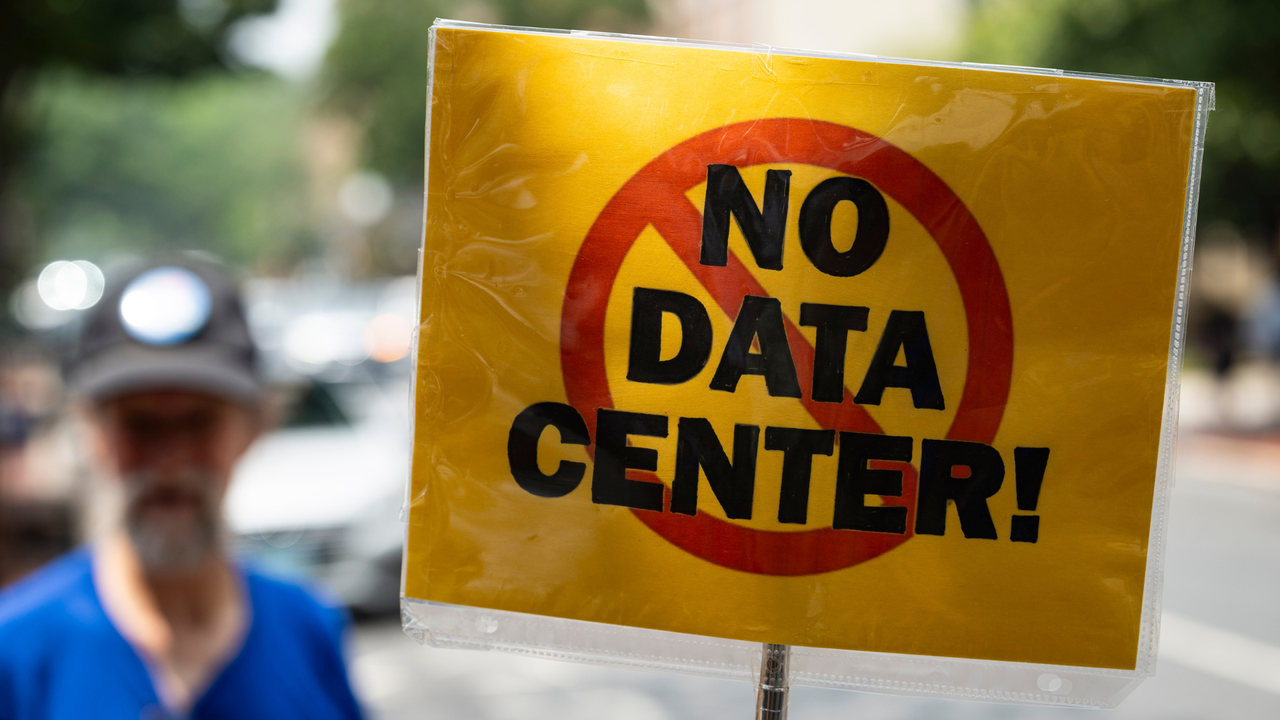
Bipartisan resistance seems to come from reported and observable impacts at other sites.
When you purchase through links on our site, we may earn an affiliate commission. Here’s how it works.
Data centers are unpopular among U.S. citizens right now, with projects facing resistance and moratoriums across the nation. While we’ve seen over a hundred protests against the developments happen simultaneously, researcher Andy Masley wanted to answer one question: what is driving the pushback against these projects? Is it big tech? AI skepticism? Or maybe even China? But after reviewing data from multiple polls, his answer seems quite simple: the “object-level local environmental and economic harms” that have been widely reported in the media.
Multiple data center sites owned and operated by different hyperscalers have found themselves in hot water with the people surrounding them. The biggest issue that caught the attention of the public is the massive amounts of electricity that these developments use, requiring grid operators like PJM Interconnection to expand their infrastructure to service AI data center needs, which costs billions of dollars. Unfortunately, the capital expenditure for these upgrades has typically been passed on equally to all users, with ratepayers seeing price hikes of up to 76% on their utility bills.
It has gotten to the point that President Donald Trump had to make tech giants, AI hyperscalers, utility operators, and state governors sign a “ratepayer protection pledge” so that AI companies “pay their own way” when it comes to their electricity needs. But this move was too little, too late to halt increased electricity costs to the huge swathe of the American population that PJM Interconnection serves. Oregon is the only state, so far, to have passed a law that requires sites using 20MW or more to pay for their own share, with PGE, the state’s largest power provider, hiking data center bills by 30% while also cutting residential costs by 1.3%.
There have also been reports of two data centers in Georgia and another in Wyoming causing water issues in the surrounding neighborhoods. This includes low water pressure due to excessive consumption, a drop in quality with muddy water pouring out of taps, and water discharges that contaminated a city’s reclamation water supply. Aside from those, there are also problems with noise pollution, like the site that generates noise 24/7, as if “someone set up a vacuum, like in your living room,” and air pollution from mobile turbine generators and dedicated natural gas power plants.
All of these are “object-level” concerns, meaning these are specific issues that exist, have happened on other sites, and are directly observable by other people. However, Masley also points out that some of the coverage of these issues was either overblown or only showed the concerns of the residents, without putting them into the context of the actual project and comparing them with other existing data centers in other areas. Because of this, many people have become fearful that the issues found in other developments will automatically apply to the data center being proposed in their community.
Some data center developers also aren't helping to assuage fears. Some are pushing back against moratoriums and bans, and have begun suing local jurisdictions. One town in Pennsylvania listed 43 specific demands that the developer called “too difficult” and pulled out of negotiations before applying again, with the council calling the move an attempt at “approval by tantrum.”
Follow Tom's Hardware on Google News, or add us as a preferred source, to get our latest news, analysis, & reviews in your feeds.
Get Tom's Hardware's best news and in-depth reviews, straight to your inbox.