// ARS TECHNICA — HARDWARE & GADGET
Pentagon rescinds new testosterone screening policy without explanation
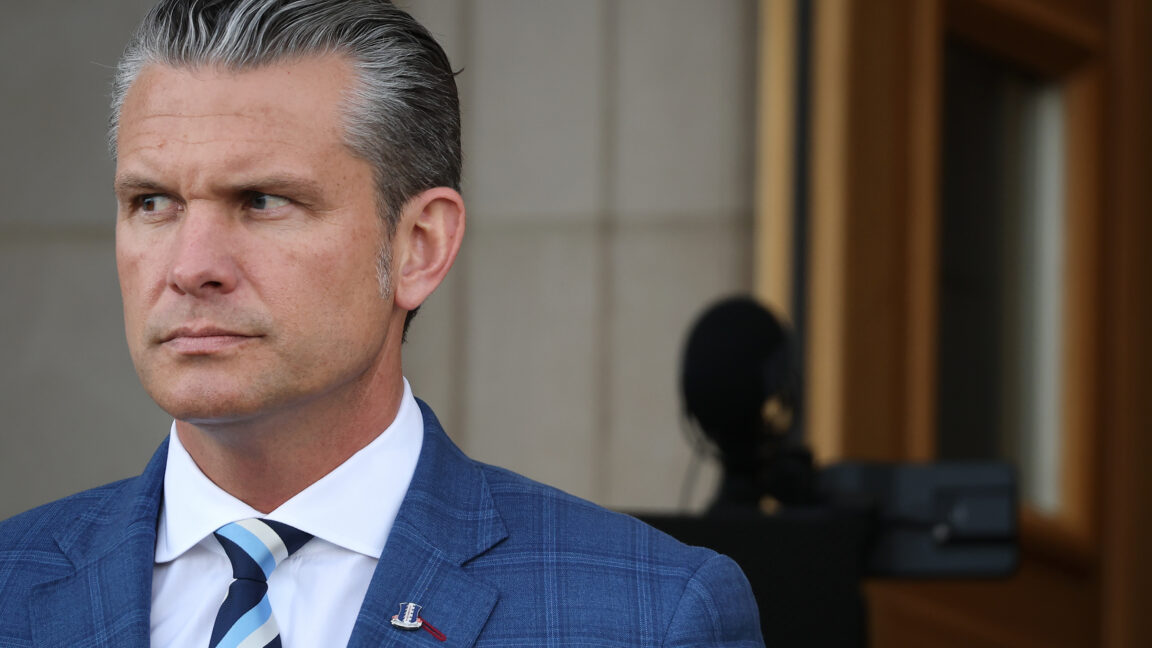
The Pentagon says the guidance is being updated after being online for one day.
Following Defense Secretary Pete Hegseth’s startling announcement in July that the US military would begin mandatory testosterone screening for personnel, the Pentagon released a clinical guidance document on September 2 outlining the new medically questionable policy.
The next day, though, the clinical guidance document disappeared, as did an accompanying statement by spokesperson Sean Parnell. The withdrawal was first reported by Reuters.
In a statement sent to Ars Technica, the Pentagon said that the document, titled “Clinical Guidance for Health and Human Performance Optimization,” had been temporarily rescinded on September 3 to allow for updates.
“The Department remains committed to addressing hormone deficiencies, protecting the long-term health of its Service members, and enabling peak operational performance,” the Pentagon said. An interim guidance remains in effect, and “the final clinical guidance will be issued shortly,” it added.
The Pentagon declined to provide more information regarding what was being updated about the guidance and why it needed to be updated so quickly after its release.
Reuters reported that the rescinded guidelines called for men aged 30 and older to be screened through a questionnaire that could then trigger a blood test for testosterone levels and, if needed, testosterone hormone therapy. Women were also to be screened through a questionnaire, which could lead to treatment for hormonal imbalances.
In Hegseth’s July announcement, he claimed that the testing and potential treatment was for “restoring and optimizing” capabilities of military members, protecting their “longevity,” and “ensuring [they] have the biological foundation required to sustain the fight.”
Health experts have criticized the screening as being potentially harmful. Neither the Endocrine Society nor the American Urological Association supports routine screening for low testosterone.
Dr. Jason Goldman, an internal medicine physician and immediate past president of the American College of Physicians, told Reuters: “Taking testosterone is not going to make you more manly, more strong, or a more robust individual. That’s just not how it works,” Goldman said. “It’s just bad policy all around.”