// HACKER NEWS — CYBERSECURITY
IBM Quantum Nighthawk R2
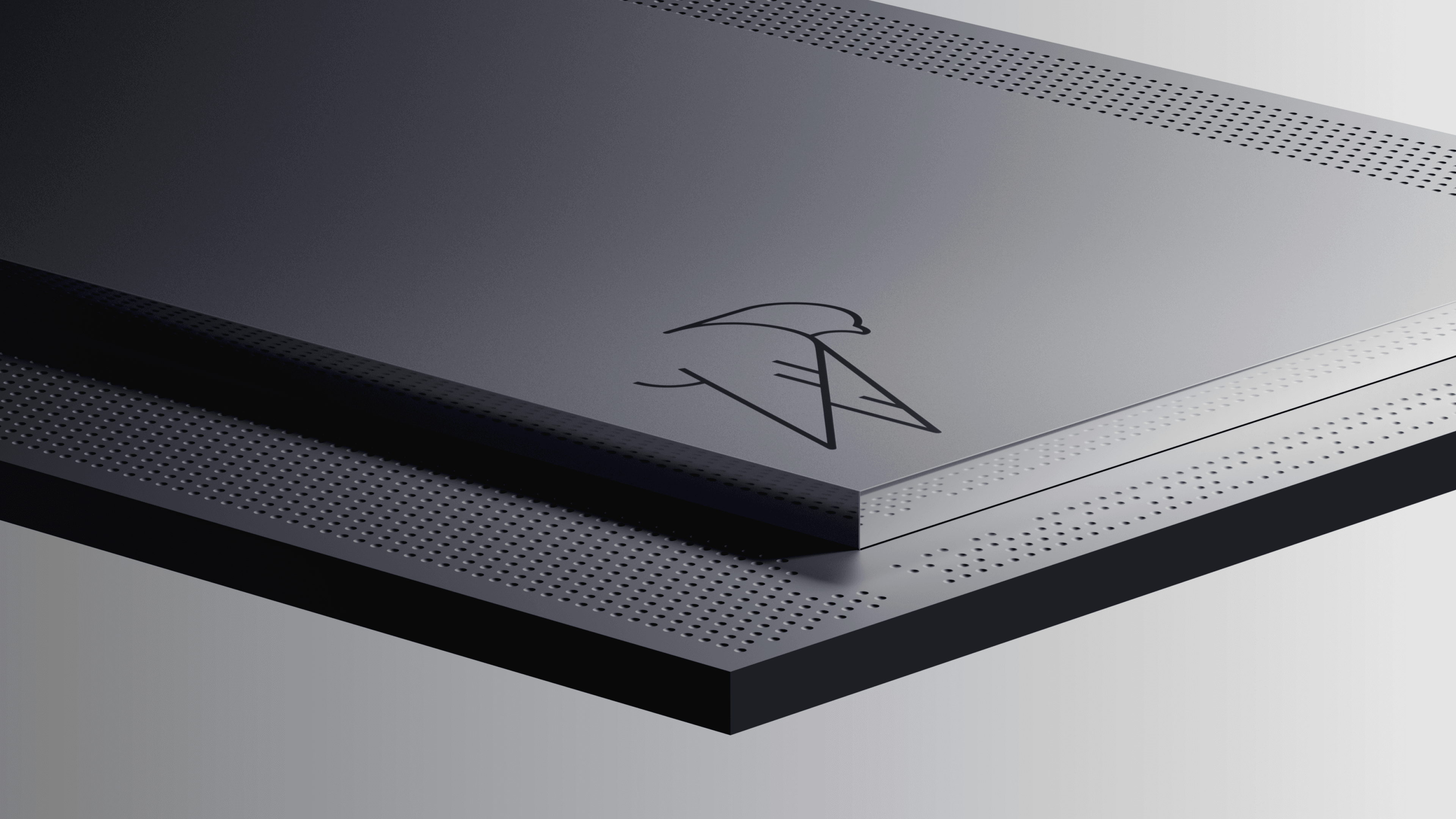
High-speed, independent qubit reset boosts circuit throughput 25x over Heron while enabling accurate computations on circuits with 7,500+ gates.
From the first demonstrations of quantum advantage to a new modular architecture for cryogenic systems, there have been many important advances in quantum computing this year. With IBM Quantum Nighthawk r2, now available on IBM Quantum Platform, that progress continues.
Nighthawk r2 is IBM’s fastest quantum processor to date. With 120 programmable qubits and a groundbreaking high-speed qubit reset architecture, it’s capable of executing over 100,000 circuits per second—25x the circuit throughput of today’s IBM Quantum Heron fleet. Additionally, the processor has already demonstrated accurate observable estimation on circuits containing more than 7,500 gates, achieving a major 2026 milestone on the IBM Quantum Roadmap.
As discussed in a recent post on quantum hardware metrics, IBM evaluates quantum hardware across three fundamental dimensions: scale, quality, and speed. Nighthawk r2 maintains the scale of its r1 predecessor while delivering targeted improvements in quality, but its most significant advance comes in speed. Let’s take a closer look at how IBM researchers brought that improvement to life.
IBM Quantum Nighthawk r2, IBM's fastest quantum processor to date, is capable of executing more than 100,000 circuits per second.
To access the IBM Quantum Nighthawk r2 and other world-class quantum systems, visit IBM Quantum Platform. New users can create a free account and get started today. You can also learn more about Nighthawk r2 in our 10 Sept webinar. Register here.
IBM Quantum Nighthawk r2 addresses a longstanding bottleneck in quantum computing: the time spent waiting for qubits to reset between circuit executions. Every quantum circuit begins with qubits prepared in a known state and ends with qubit measurement. Between executions, qubits must return to their ground state before the next shot can begin.
To achieve this in previous generations of IBM Quantum processors, including Heron, we rely on a technique powered by dynamic circuits called conditional reset: The processor measures the state of a qubit and, if it is found to be in the |1⟩ state, applies a bit flip gate (specifically a π-pulse) that flips the qubit back to the ground state.
However, conditional reset is limited by the fidelity of measurement and cannot reset qubits that have leaked outside the computational state. To ensure full reset, the system must sit idle for hundreds of microseconds between circuit executions.
Nighthawk r2 replaces conditional reset and idle time with a dissipative reset gadget. Each programmable qubit is linked through a high-dynamic-range tunable coupler to a cold environment that draws it back to its ground state on demand. Activating that coupler pulls a qubit’s effective T1—the measure of how long it holds its energy—from a median of about 200 microseconds down to roughly 25 nanoseconds, enabling significantly faster high-quality reset.