// ARS TECHNICA — CYBERSECURITY
Farmed salmon may not be as nutritious as it once was, new research suggests
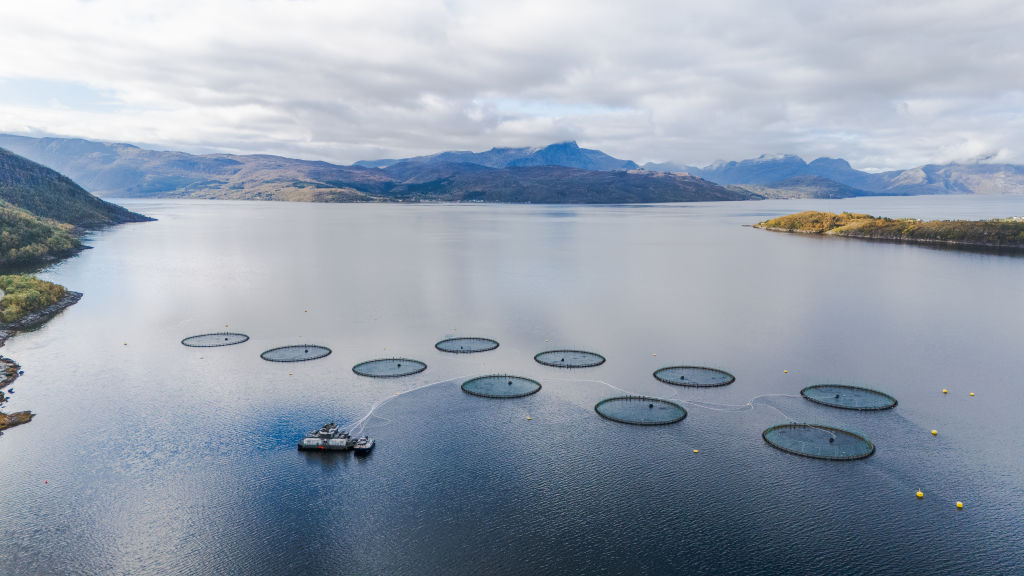
The shift in the fish’s diet is having significant downstream impacts on the environment and climate.
That dietary advice has changed the way the world consumes salmon, pushing consumer demand ever upward and production to higher and higher levels. Most of that demand is being met with farmed salmon: Today, nearly 70 percent of the salmon consumed on the planet are raised in pens and cages.
The US Department of Agriculture’s Dietary Guidelines for Americans recommend eating at least 8 ounces of fish a week and urges people to choose salmon or other species that are similarly high in “heart-healthy” Omega-3 fatty acids. But new research led by USDA scientists finds that levels of these fatty acids in farmed salmon have dropped considerably, potentially making the agency’s own advice, and similar recommendations, including from the American Heart Association, outdated and insufficient.
“These old figures are what are still used in their national dietary guidance,” said Laura Lee Cascada, director of the Aquaculture Accountability Project, a watchdog group. “So in the meantime, it’s going to stay the same and people will have this wrong idea of how much Omegas they’re getting.”
The report’s authors note in their research that the sample they examined was not large enough to require changing the government’s advice and that “a broader and more representative study is warranted.” The agency declined requests for an interview and did not answer questions via email.
The reason for the decline of the Omega-3s, the new study says, is a major shift in the diets of the naturally carnivorous salmon, from smaller fish species—which were over-exploited to feed farmed fish—to a mix that includes land-based oils and crops, including soy and canola. A 2016 study noted similar declines, also attributable to the shift toward a crop-intensive diet.
So, as the well-intended dietary advice has driven a surge in farmed salmon consumption, the corresponding surge in production appears to be depleting the very nutritional benefits that prompted the global salmon boom in the first place—and with consequences for both the marine and terrestrial environment.
Salmon has played a key role in the explosive growth of global aquaculture, becoming a mainstay in the diets of health-conscious eaters or those trying to cut down on terrestrially farmed protein, especially beef, for both health and environmental reasons. The amount of farmed salmon tripled between 2000 and 2020, far outpacing the production of any other type of finned fish.
Today aquaculture is the fastest-growing food production system in the world, much of it spurred by increasing appetites for species, including salmon, that have been identified and marketed as uniquely healthful.
But researchers and advocates have long criticized the environmental impacts of farmed salmon. Fish waste and feed pollute waters, threatening wild-caught salmon populations. Feeding ever-greater populations of pen-raised salmon has led to the degradation of both smaller fish species and the coastal fishing communities that depend on them and other wildlife, including seabirds.