// PC GAMER — GAMING
'If you're designing an RPG, you have to go back to the source:' The post-apocalyptic RPG Entropy takes notes from Fallout and a long-abandoned Warhammer spinoff
When you purchase through links on our site, we may earn an affiliate commission. Here’s how it works.
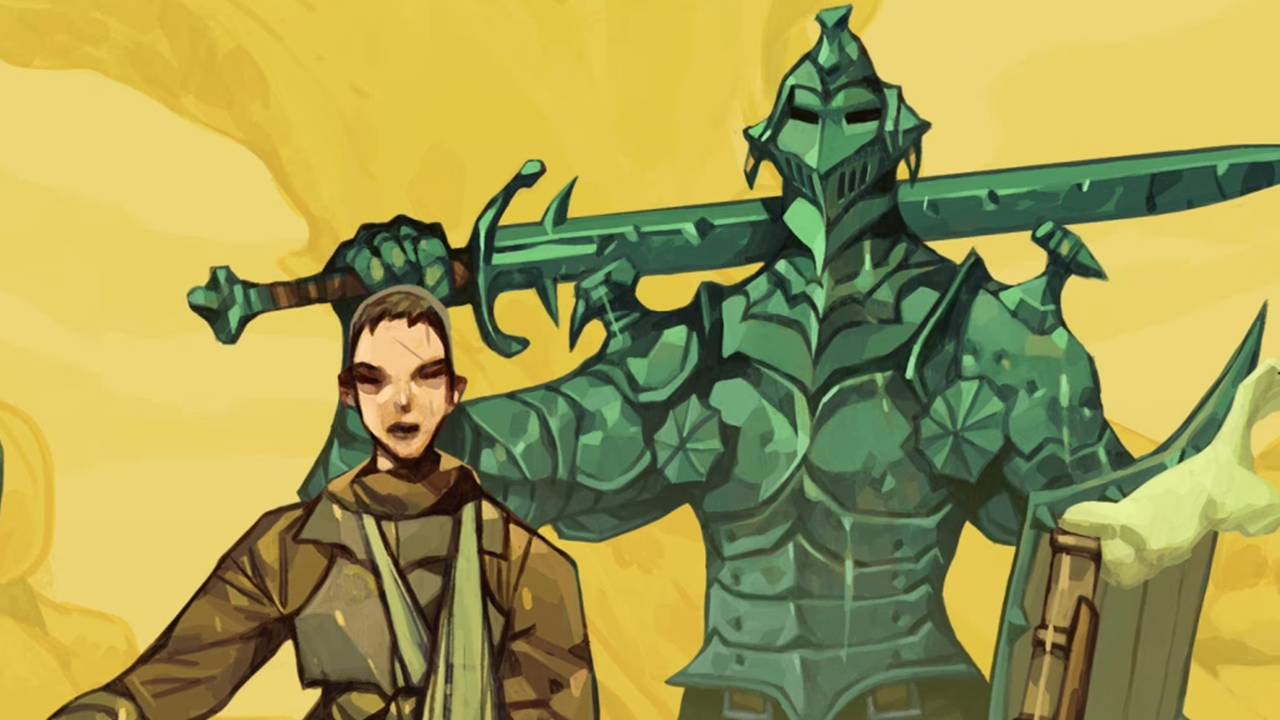
The early access RPG Entropy is a very different beast to its developers' previous work. Dread Delusion was a shockingly good homage to first person RPGs like King's Field or The Elder Scrolls, while this new game is distinctly JRPG-inflected, nailing a lot of the feel and intangibles of something like Final Fantasy 10 or Lost Odyssey.
But you can't just put it into the JRPG bin and call it a day. Entropy boasts a large party size for tactical battles, permadeath, locational damage, as well as an approach to reactivity and storytelling that feels more PC gaming than PS2 gaming. When I spoke to lead developer James Wragg recently, he told me that's very deliberate.
"In many ways, if Dread Delusion was my take on The Elder Scrolls, then this is my take on Fallout," Wragg said. "The original Fallout, Fallout 1, is one of my favorite games, and we're riffing on that quite a lot with Entropy."
Having played Entropy's demo and a bit of early access, I immediately got what he meant. Part of that inspiration is visible in the locational damage system, similar to OG Fallout's called shots (what would eventually become VATS in the 3D games).
You can incur a penalty to accuracy to target a specific limb or zone on an enemy, to the benefit of greater damage or inflicting a debuff. Wragg provided the examples of how it might work in more advanced battles: disarming a foe with an especially powerful weapon, or shredding the bulbous Resident Evil weakpoint of a mutated enemy.
Entropy's specific flavor of post-apocalypse also rhymes with Fallout 1—it's desolate and in your face in this similarly striking way, with what little levity there is feeling like a remnant of the pre-collapse world, such as the play in Entropy's opening scene. Another major inspiration for Wragg: Mordheim, a small-unit tactics spinoff of Warhammer first published by Games Workshop in 1999.
"What I love about tabletop is, it's just pen and paper," Wragg said. "You can house rule stuff as much as you want, so we've got a bunch of custom rules in our [Mordheim] campaign. It really encourages creativity because you make your little guys and you customize them based on how you load out your character.
Keep up to date with the most important stories and the best deals, as picked by the PC Gamer team.
"Something like Mordheim has so much character customization—almost beyond most video games—because it's tabletop. The developers never actually had to code in the graphics of swinging all these different weapons, and I think that freedom I found really inspiring."