// ARS TECHNICA — GAMING
The combat demo for Free Stars: Children of Infinity is out, and it's free
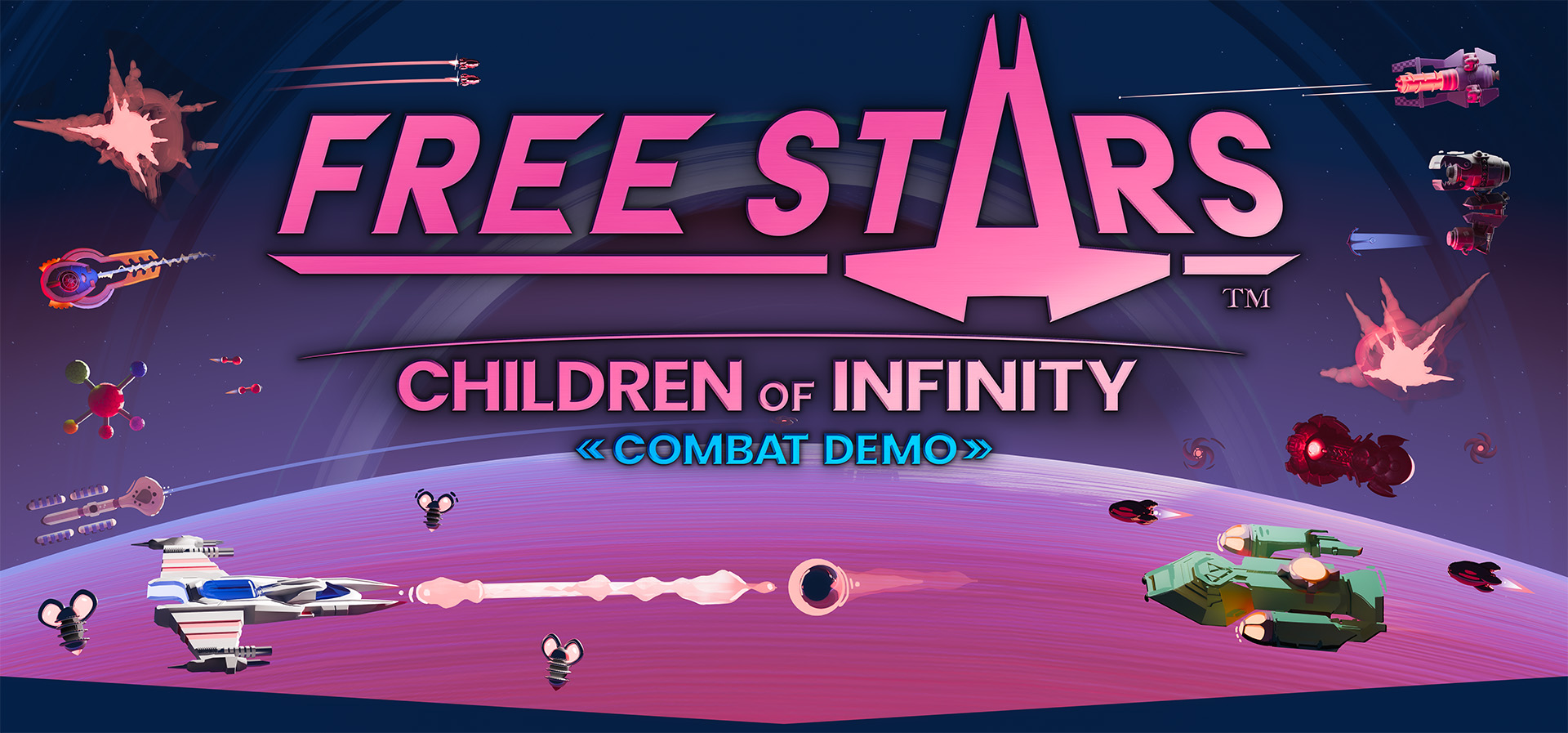
Blast your opponents in 1v1 arcade space battles like it’s 1992 all over again.
After five years in development, Free Stars: Children of Infinity—the official sequel to The Ur-Quan Masters by the old game’s original creators—has released a free public demo. It’s a “combat demo” in the style of UQM’s melee mode, where players can assemble a fleet from the game’s roster of nearly 40 ships, then match those ships up in head-to-head arcade SpaceWar-style action. The demo can be found on Steam and GOG, and it’s available for Windows, Mac, and Linux. (Console versions are coming, but they’re not yet out.)
I have to present this news with a big disclaimer, though, because I’ve been part of the Children of Infinity writing team since 2021, working as a volunteer with the Pistol Shrimp Games crew and contributing NPC dialogue and some story bits. As a huge fan of the original games, it’s been a dream opportunity. (Because I’ve been volunteering my time, I’m not financially involved and receive no compensation if you download the demo or, when it’s eventually released, buy the full game.)
Children of Infinity is a space adventure RPG, just like The Ur-Quan Masters (and its direct spiritual predecessors, Starflight and Starflight 2). What’s been released today is just one part of the game—the arcade-style “melee” portion, which lets players jump into one-versus-one combat against another player or against a computer-controlled opponent. Each of the ships you can pick has its own maneuvering characteristics, weapons, and special abilities.
All of the old familiar ships from The Ur-Quan Masters are present (with one exception: the Slylandro probe didn’t make it), and they’re joined by a pile of new faces from the new game, along with some melee-only ships designed by Kickstarter backers. All together, there are 38 different ships that you can smash together in the combat sandbox.
While the returning ships from UQM have had their flight and weapon characteristics lovingly re-created in Fred Ford’s new SIMPLE game engine, there are some important differences this time around—chief among them the fact that, unlike in the 1990s, the ships now can turn much more naturally. UQM melee pros will find that their skills with existing ships will translate pretty well to the new melee environment—but they’ll also have some brushing up to do.
In the older game, at least for me, melee was the drug that got me hooked—it’s accessible, easy to figure out, and fun as hell. I can’t count the number of hours my little brother and I spent locked in mortal space combat, blowing each other up with different ship combinations. (My favorite matchup was to let my brother pick the Ur-Quan Dreadnought, one of the most powerful ships, while I would hop into the lightweight Arilou Skiff and, in cruel older-brother fashion, mercilessly reduce him to frustrated tears. Ah, siblings.)
I’d love to spend some time discussing the whole game, not just the combat demo—but that discussion will have to wait a bit longer. Children of Infinity has walked a tortured path to release, with many twists and turns along the way, and while that path is nearing completion, we still have a bit to go. It’s been fascinating to observe the process of development from the inside, and there are so very many stories to tell.
In the five years since joining the team, I’ve written about 100,000 words of NPC dialog for seven of the game’s alien species—that’s a good-sized novel, and I’m only one of several writers. I’ve worked with Paul Reiche III to flesh out his story ideas and outlines with prose (Paul left the project in summer 2023 after the story had been largely completed, but I kept meeting regularly with him for a couple of years after that to get his input and advice on the NPC dialog writing as it progressed, and we’re still in regular contact).
That prose was wrangled into branching interactive readability by the skilled hand of narrative lead Mallory Littleton. Through it all,