// KOTAKU — GAMING
Marvel’s Wolverine: The Kotaku Review
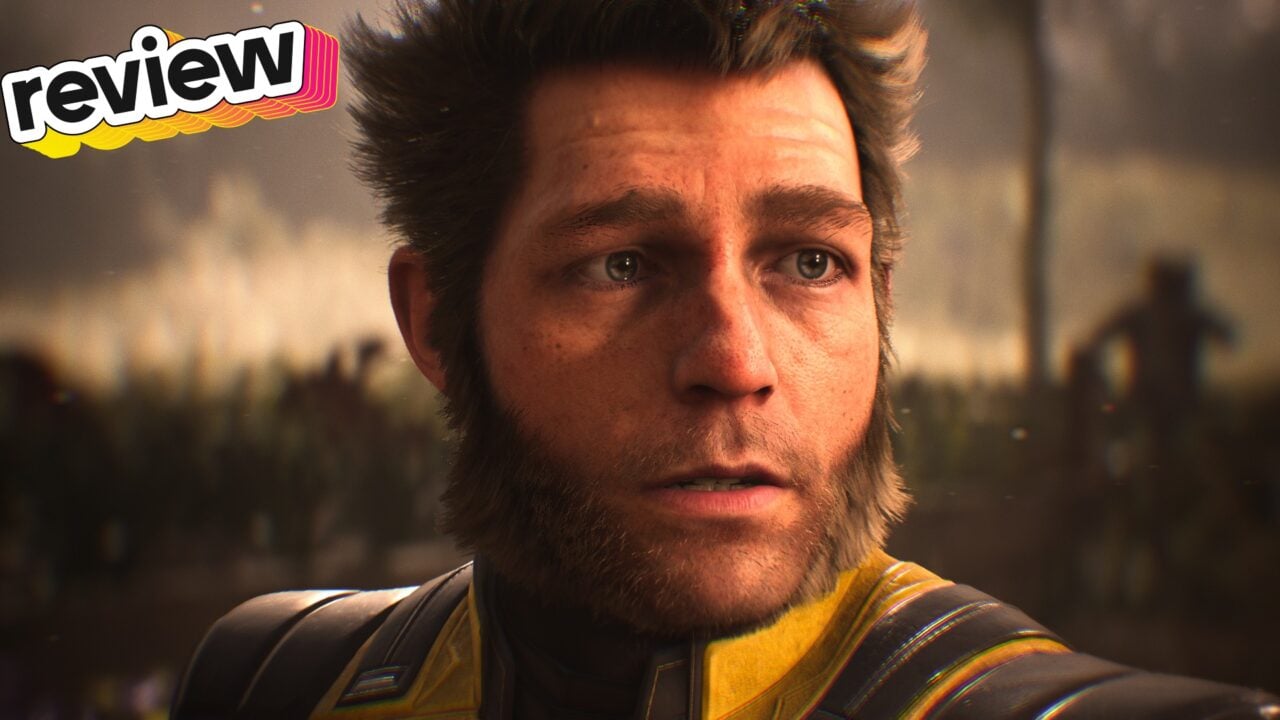
Much like its grizzled, tortured mutant hero, Marvel’s Wolverine feels caught between the past and present, for good and ill. Compared to Insomniac’s Spider-Man games, the studio’s take on the X-Men is far more streamlined, simple, and straightforward. It forgoes the sprawling open-world swinging of the studio’s last three superhero games in favor of a much more linear, crafted cinematic experience akin to something like Uncharted or the original God of War trilogy. On paper, that sounds delightful, as games have become increasingly insistent on eating up every bit of our free time in some ill-advised desire to hold a player’s attention forever. In 2026, Wolverine is refreshing in its straightforward focus, but that same one-track direction means it spends large swaths of its reasonably short runtime feeling as mindless as the violent rage Logan finds himself shrouded in.
Wolverine is best when it’s an X-Men game, but it is definitively not trying to be one of those. You’ll find no Xavier Institute here, and if Magneto is so much as namedropped, I didn’t catch it. But even if those philosophical figureheads aren’t present, the political turmoil of the typical X-Men conflicts of prejudice and policy are still here. Logan, as part of a group called Team X—comprised of himself, the shapeshifting Mystique, equally violent Sabretooth, and enigmatic telepath Nathaniel Essex—has been fighting for mutantkind for years, though by the time we start playing, he’s been on the outs with the group long enough for grudges to have formed. What starts as a simple rescue mission to save Essex (played by and distractingly modeled after Troy Baker) from the clutches of bigoted scientist and engineer Bolivar Trask unravels a larger conspiracy to hunt down and round up mutants around the world.
As the Marvel Cinematic Universe moves closer to reintroducing the X-Men to its films, there are conversations around whether or not setting the X-Men story in the modern day means that it’s getting too far from the original comic’s storyline, which ground its political overtones in real-world events like the Holocaust and the Civil Rights Movement, to draw on those same events, which once helped the series’ themes of prejudice and persecution resonate. Magneto, for example, is a Jewish Holocaust survivor who knows all too well that anyone hateful enough will try to find some way to eliminate people who are different than they are. But as time goes by, some argue it becomes increasingly tough to buy into a character who was alive during the Holocaust and is leveling stadiums with his magnetic powers in the 2020s. That’s a problem for Marvel to solve, but one thing I was really struck by in Wolverine is that, for all the discussion as to whether or not the traditional origins of the X-Men make sense in the modern day, the actual plight of the mutants in the Marvel Universe remains, unfortunately, timeless.
There are scenes in Wolverine of mutants being hunted, rounded up, and shoved into vans to be taken to god knows where. Villains like Trask speak of these superpowered beings as if they are a threat to the human way of life, only for it to be revealed that active mutants make up less than one percent of the population. The imagery of children being treated like cattle and the rhetoric spouted off by anti-mutant extremists echo the type of shit the Trump administration proudly flaunts as it continues its attacks on immigrants and transgender people.
History repeats and rhymes, and even without Magneto’s roots in the Holocaust, the anti-prejudice lessons of the X-Men storyline shine through in Wolverine. They are too ingrained in the mutant plight, and the coupling of hatred with systemic power is too common a human tradition, for those lessons not to be powerfully present here. X-Men’s use of people with superpowers to tell a story of the oppressed fighting against their oppressors will always be fraught with false equivalences and nuances that don’t app