// KOTAKU — GAMING
I Tested Valve’s New $1,000+ VR Headset And I Have No Idea Who It’s For In 2026
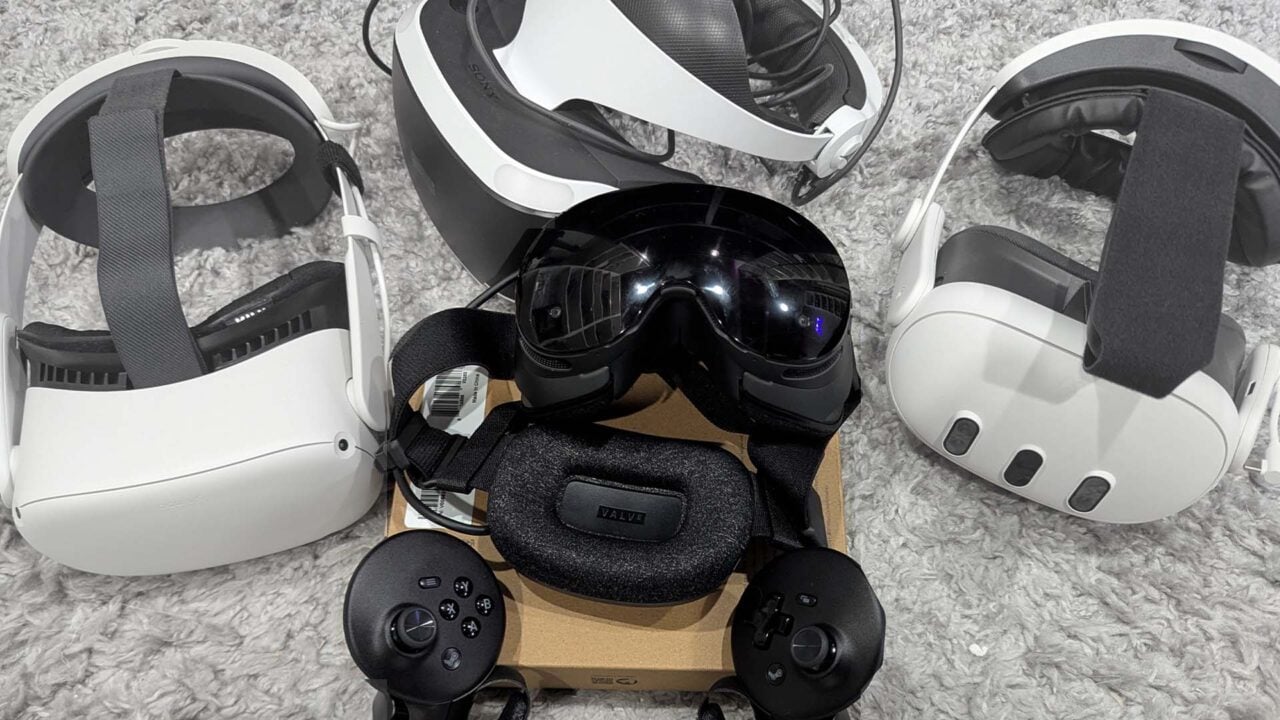
Valve’s third and final new piece of hardware shipping this year is the Steam Frame, a standalone virtual reality headset that at times feels like having a Steam Deck attached to your face…but in a good way. However, while the Steam Controller was a great product at a fair price and the Steam Machine was an interesting idea priced too high, the Steam Frame is a confusing creation with a very large price tag that makes it almost impossible to recommend in a world where a Meta Quest 3 is $600 or less.
The Steam Frame is meant to replace Valve’s last VR headset, the Index, as its flagship virtual reality product. Starting today (and ending September 17), you can register for the opportunity to buy one in the near future as part of Valve’s pre-registration and pre-order process. The device comes in two different flavors: A 256GB model that costs $1,060 and a 1TB version that costs $1,300. Valve is also selling an Ergonomics Kit for $60 that includes some controller straps and a top support strap for the headset itself. Based on my experience, you are going to want these items.
I’ve been playing around with the Steam Frame for just over a week now after Valve sent me one to review. As someone who has played a lot of VR games and used many headsets, including (but not limited to) the PSVR, Index, HTC Vive, and Quest 3, I was curious how Valve’s pricey new virtual-reality device would compare. The good news: Valve’s Steam Frame compares favorably to every headset I’ve ever owned or worn in the last decade. The bad news: It doesn’t blow the current competition away, which is a problem when it costs this much.
Right away, picking up the Steam Frame for the first time felt bad. Valve’s device is basically just a pair of thick plastic goggles, and the rest of the “Frame” is just cloth straps and a rubbery battery pack that also functions as a comforting support pad for the back of your skull. This design makes the device lightweight, but also makes it feel very clumsy and delicate to pick up. The device also has a super-shiny black plastic-y finish on the front, which makes every fingerprint and smudge show up. The Frame also uses magnets to keep its faceplate and cushion guard attached to the device, which is handy in theory. But in practice, it meant that every time I picked up the Frame, it made various creaking and cracking noises as the magnets declicked a bit from pressure. It doesn’t really feel like a sturdy, $1300 device.
Once on my face, the Steam Frame’s lightweight design and build became a huge advantage. It might be one of the most comfortable headsets I’ve worn, even without the extra $60 headset strap. The screen and lenses are super nice, and when I was zipping around the menus, the text was so clear and sharp that I let out a “wow” upon first glance, and I’ve spent many, many hours in VR menus.
On the flip side, Valve’s new controllers for this thing are a big disappointment. Don’t get me wrong, they work fine and are similar in shape and function to almost every other modern VR controller on the market. In particular, they seem directly inspired by the Quest’s controllers, which makes sense as that’s become sort of the standard design for VR motion controllers over the last few years. It just bums me out that Valve has gone this route instead of expanding on and perfecting the company’s far superior Index controllers, which were bigger, felt more advanced, and were just more comfortable to use.
Without the $60 kit I mentioned already, the Frame’s controllers are just short plastic wands you have to hold on to at all times, which ain’t great. With the hand straps, they become better, but I still found the placement of some buttons to be off, and the grip trigger on the handle feels like a step down from what Valve was doing with the Index’s controllers years ago.
Once the Steam Frame was on my face and the controllers were in my hands, I began messing around with the device and quickly discovered that, just like