// TOM'S HARDWARE US — HARDWARE & GADGET
Control Resonant PC performance tested: 28 GPUs take us back to the Oldest House and a warped Manhattan cityscape
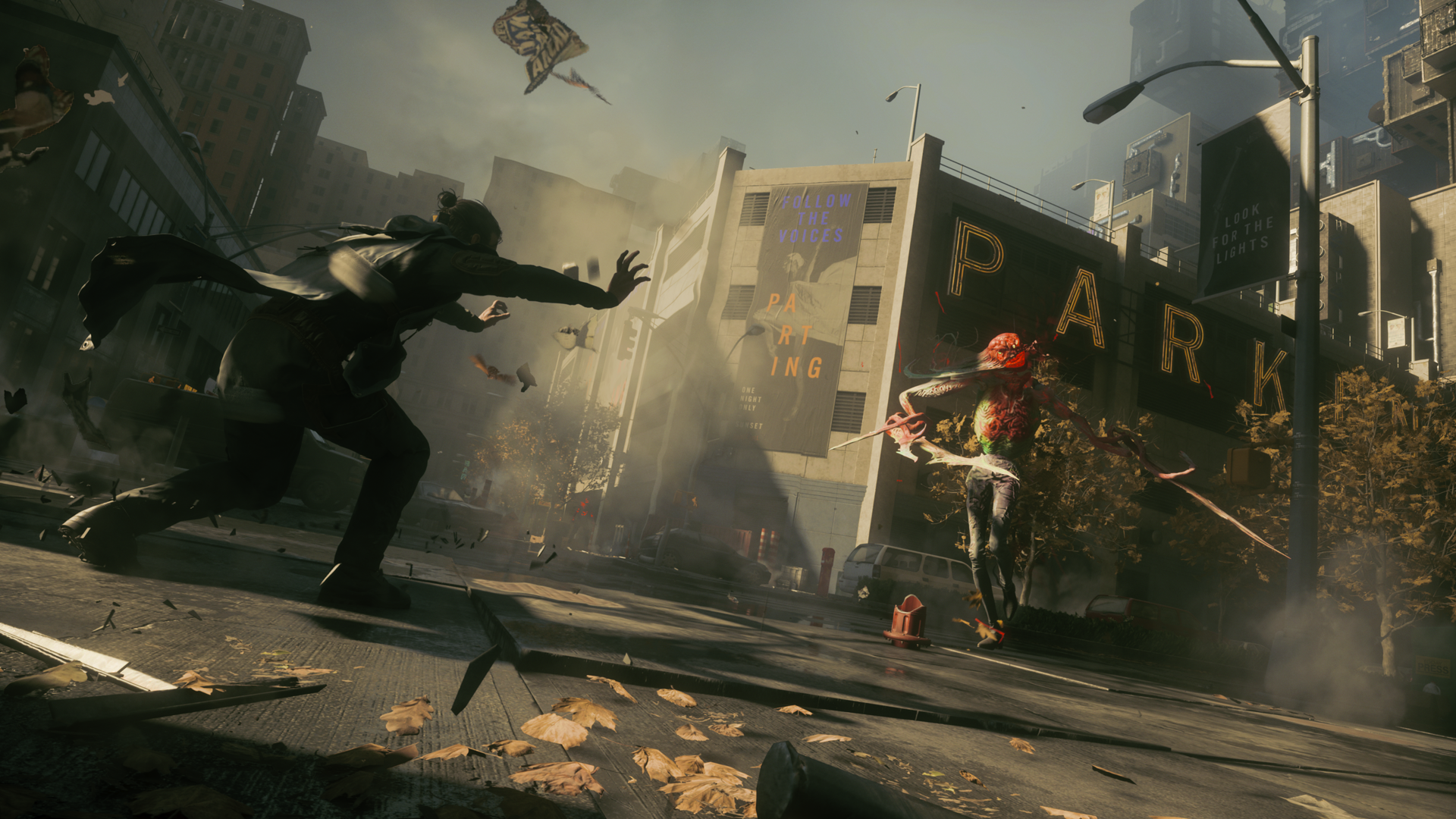
A new chapter in a beloved saga doubles as a technical showcase for path tracing
When you purchase through links on our site, we may earn an affiliate commission. Here’s how it works.
2019’s Control followed Jesse Faden into the ever-shifting, paranormally corrupted brutalist innards of the Oldest House, the headquarters of the Federal Bureau of Control, where she became the new FBC director, fought the invading forces of the Hiss, and sought the truth about the fate of her kidnapped brother Dylan.
Control Resonant marks the next chapter in the siblings’ story, as Dylan reawakens to discover that Jesse has gone missing and that the Hiss threat has escaped the Oldest House and corrupted Manhattan. Using his own powers and guided by the mysterious Board, Dylan sets out to find Jesse, combat the Hiss incursion, and uncover the mysteries of a new paranormal entity at work in the twisted Manhattan cityscape.
We’ve had access to Control Resonant for the past few days, and we’ve been exploring its performance and image quality across a range of hardware and settings.
Control was one of the first games to show off the capabilities of GeForce RTX 20-series graphics cards and their ray-tracing capabilities, and it was also one of the first titles to incorporate DLSS upscaling. It’s only fitting, then, that Resonant is a technical showcase of its own. It features path-traced lighting effects bolstered by Nvidia’s RTX Mega Geometry tech, as well as support for the full suite of DLSS 4.5 features: Super Resolution (aka upscaling), Ray Reconstruction, and Multi Frame Generation.
With that extensive spread of cutting-edge rendering tech at its disposal, I expected Resonant to look incredible, as both Control and Alan Wake II did before it.
Even without ray tracing or path tracing and DLSS Ray Reconstruction, Control Resonant already looks good, as we’ve come to expect from Remedy games. If performance is a priority, you certainly won’t make the game bad by leaving RT off.
But ray tracing or path tracing is certainly worth enabling if you can. Outdoors, RT primarily improves the rather blobby shadows and soft reflections that appear in the numerous puddles around Manhattan.
Get Tom's Hardware's best news and in-depth reviews, straight to your inbox.