// 9TO5GOOGLE — MOBILE & WEB
The camera is my favorite part of smart glasses, but it just feels wrong now
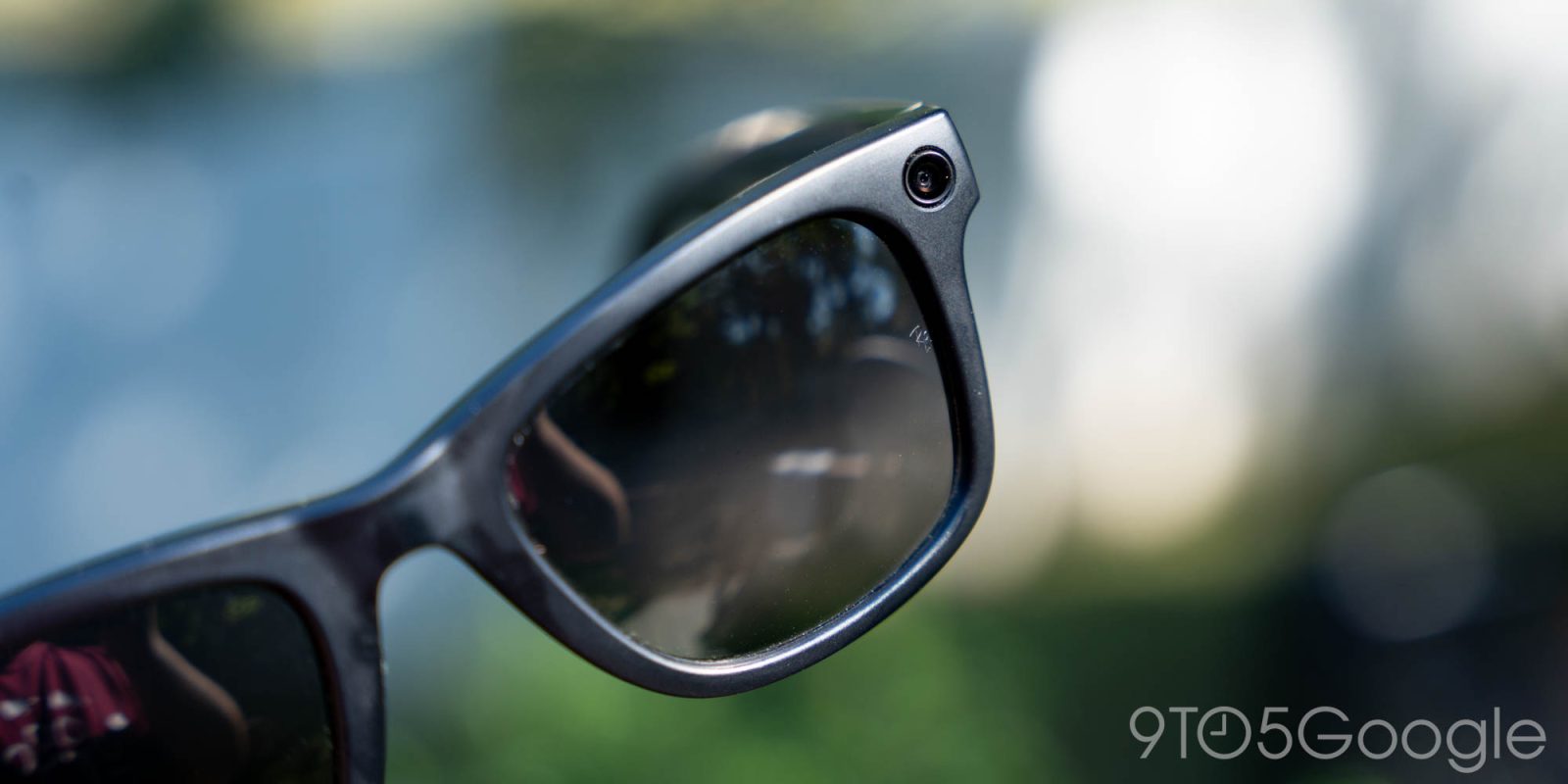
Smart glasses are such a logical, futuristic step in mobile tech, and it’s one we’re on the cusp of being able to embrace. Yet, there’s a huge hurdle to overcome. For as useful and enjoyable as it is, the camera on smart glasses has become a massive problem, and it’s basically ruined existing smart glasses for me personally.
9to5Google Weekender by Ben Schoon is a part of our free newsletter that also includes ‘Inbox,’ a twice-weekly roundup of key stories from around the web by Daniel Bader. Sign up here to get Weekender delivered to your inbox every Sunday along with ‘Inbox’ on Tuesday and Thursday. You can find past issues here.
There are a few core use cases for smart glasses. The most futuristic is a mixed-reality experience where a display layers information on top of what you’re seeing around you. But that’s also the hardest to accomplish with today’s tech. So, with that in mind, audio-based glasses have been more popular.
Open-ear audio and always-ready access make these glasses very useful, but the real selling point for many has been the camera. Meta’s Ray-Ban glasses are the catalyst in all of this. Meta will go on and on about AI features, but a huge part of the appeal here is having a camera at the ready with point-of-view footage. That’s what sold me on it, and my pair has captured some really fun memories in my favorite hobby.
Yet, I’ve barely touched those glasses over the past year, nor had I really gotten around to testing any others I’ve been offered. For example, the L’atitude 52°N Berlin glasses were originally pitched around having a better camera than Meta and, while I’m not a huge fan of the styling, the camera is at least decent – I wouldn’t say better with focus and direct sunlight being clear issues, but I do like that it can capture in landscape.
But, for as much fun as these cameras can be, it just feels wrong now.
The social stigma around cameras on smart glasses has been ruined by the misuse of these cameras. That was, sadly, somewhat inevitable. Any new piece of technology has the potential to be misused, but the subtle nature of these cameras turns simple misuse into making people downright uncomfortable. And, honestly, rightfully so! I initially had trouble understanding the issues many were taking with a camera on glasses, but example after example has shown just how many people are willing to misuse this tech.
Arguably, the bigger problem comes down to how it’s all been handled.
Firstly, there was the simple fact that Meta was at the helm. The company’s long history of handling private data, rightfully, did not mix well with a camera on your face. While Meta tried to convince users otherwise, leaks of human moderators viewing uncensored private recordings, combined with rumblings of Meta’s plans for facial recognition and always-on recording, simply evaporated any goodwill or trust that might have been left.
Secondly, there’s the amount of time it took for Meta to address the misuse. Stories have run rampant for the better part of two years now around back-alley deals to disable the privacy LED on Ray-Ban glasses, and it took until July of this year for Meta to implement a fix. An even more obvious loophole is only being patched now.