// HACKER NEWS — CYBERSECURITY
How often do you think about the 1893 World's Fair?
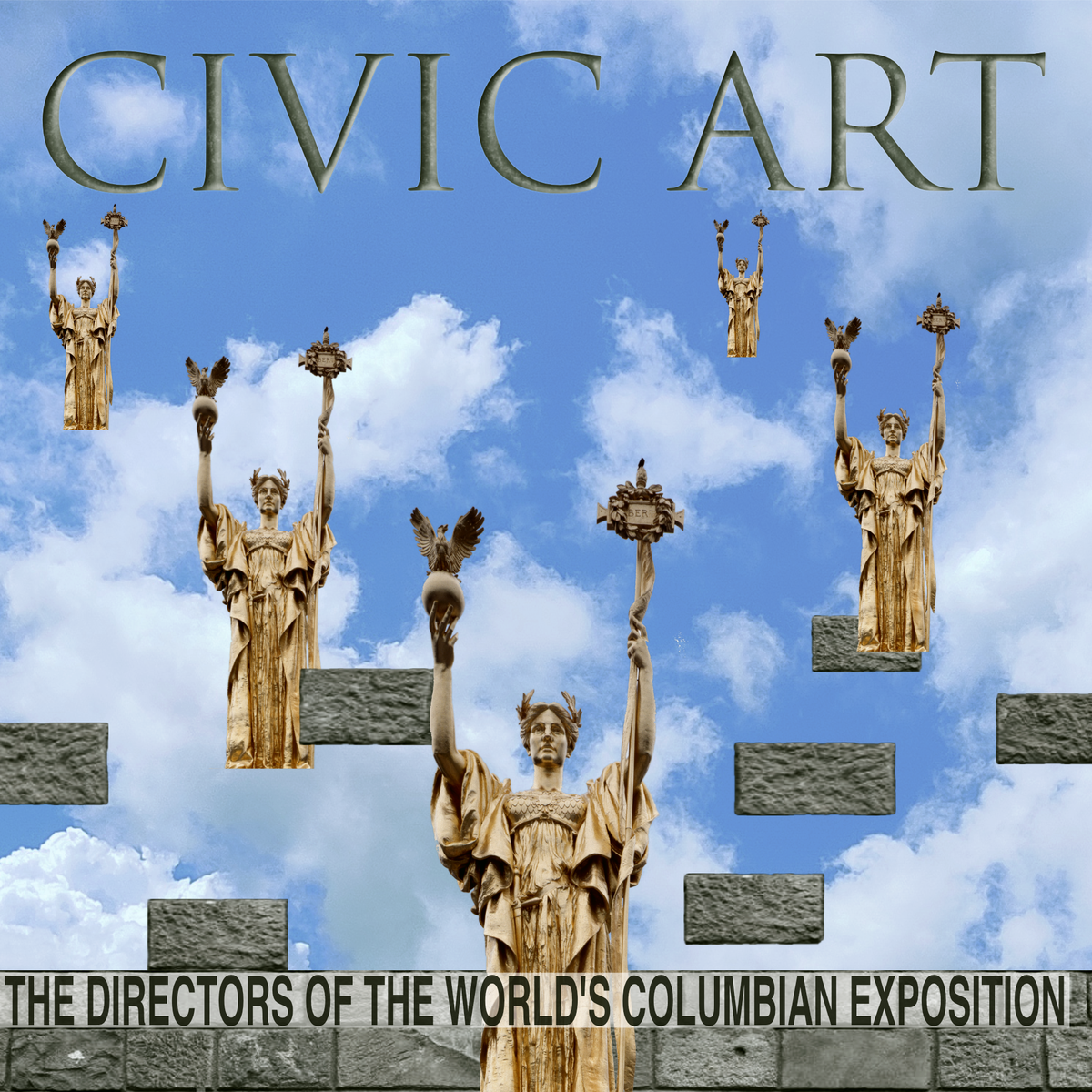
Of all the displeasures that the Trump Administration has brought upon the District of Columbia, the most peculiar was the dinky little fairgrounds thrown up on the National Mall this past July. Crafted from the finest styrofoam and vinyl that misdirected donations can buy, its design unmistakably evoked the otherworldly classical ensembles of the 1893 World's Fair and its imitators. In some ways, the choice is intuitive. The World's Columbian Exposition was an exuberant expression of American wealth, power, and identity that cultural creators have returned to with fascination again and again. Make America Great Again, right?
But on the other hand, how did a festival that lasted only six months lodge itself so deeply in the American psyche? Why did we rebuild it in miniature on the National Mall? Why has it become a feature of more than one conspiracy theory about a suppressed glorious past? Why is its discernment invoked on every can of Pabst Blue Ribbon? Have we always been thinking about this plaster pop-up advertisement for American majesty?
The answer to all of these questions is... stranger than I had thought. Whether thinking back to 1893 or 1993, what draws us to an event, story, or image depends less on the context of the events than the context we inhabit. As a result, we interpret—or reimagine—the past differently from our predecessors. And I think the lingering memory of the World's Columbian Exposition shows how it's from these reimaginings, not neutral facts, that we reshape the world.
One aspect of the fair that no historian will dispute is that, like the dinosaurs of Jurassic Park (1993), it blew people's minds. Raves about the Exposition had begun even before it opened in May 1893 and continued well past its closure in October of that same year. Articles, telegrams, and diaries all testified to its wonder. For years after, both licensed and bootleg merchandise sold well, cluttering parlors into the new century.
Writers of all stripes have catalogued the diversity of its appeal. For a population that had only just become majority urban, Chicago was an attraction in and of itself. Down in Hyde Park, the glass-roofed exhibit halls offered unbeatable publicity to manufacturers in an advertising environment of catalogues and newsprint. Over at the fair's Midway, visitors delighted in its carnival attractions while its ethnographic displays shook assumptions about humanity. More than any of that, however, what lingered longer in people's memory was the central complex of the fair. Known officially as the "Court of Honor," and colloquially as the "White City," it was an ensemble of monumental plaster facades that shone in the daytime and glowed after dark in a lavish display of Westinghouse electric light—still radiant with the shock of the new. Hundreds of organizations held their annual meetings behind its facades and nearly a third of all Americans visited.
It is not possible to trace every path that crossed in the White City. Some people were wowed and went home with the merch. Others were transformed. One such pilgrim was a journalist named Charles Mulford Robinson. In the 1897 official history the fair, he described the experience of entering the Court of Honor as something like an ego death:
He was far from alone in seeing the otherworldly in the design. In 1895, Frances Hogson Burnett, better known as the author of The Secret Garden, published a children's parable, Two Little Pilgrims' Progress, A Story of the City Beautiful. The short book follows two orphan children as they visit the fair while reading the 17th century Christian allegory Pilgrim's Progress. In Burnett's retelling, the spiritual journey is a physical one. The Celestial City that serves as Pilgrim's aim in the fable, it turns out, was right there on the shores of Lake Michigan, reached for reasonable fare. Contemporary reviews of the book were mixed. None that I have found, however, objected to the comparison she made between this for-p