// HACKER NEWS — CYBERSECURITY
Why is the liver so weirdly regenerative?
[Epistemic Status: Speculative unifying theory of biology.]
I don’t know about you, but I greatly resent having to be a biological organism and subject to all the poor engineering and design decisions that entails. This has many manifestations. A recent one is often wondering, why is the entire body such garbage except for the liver?
Take the kidneys. Once you reach adulthood, they start to slowly decay. You can damage them through not-obviously-dangerous stuff like taking too much vitamin D or taking ibuprofen while dehydrated. Significant damage typically leads to scarring and a permanent reduction in function. Or take the gums. If you brush too hard or don’t floss enough, they may retreat down your teeth, never to return. Most of the body is like that.
But the liver. My friends, the liver! If it’s injured, it will usually heal without scars. As you age, it typically maintains near full strength. You can give half of your liver to someone else and it will regrow to full size and function in a few months. I’d like to find whoever designed the liver and have them make me a full body.
Except here’s a theory: It’s good that most of the body is fragile crap. It would be better if some parts of the body were more fragile.
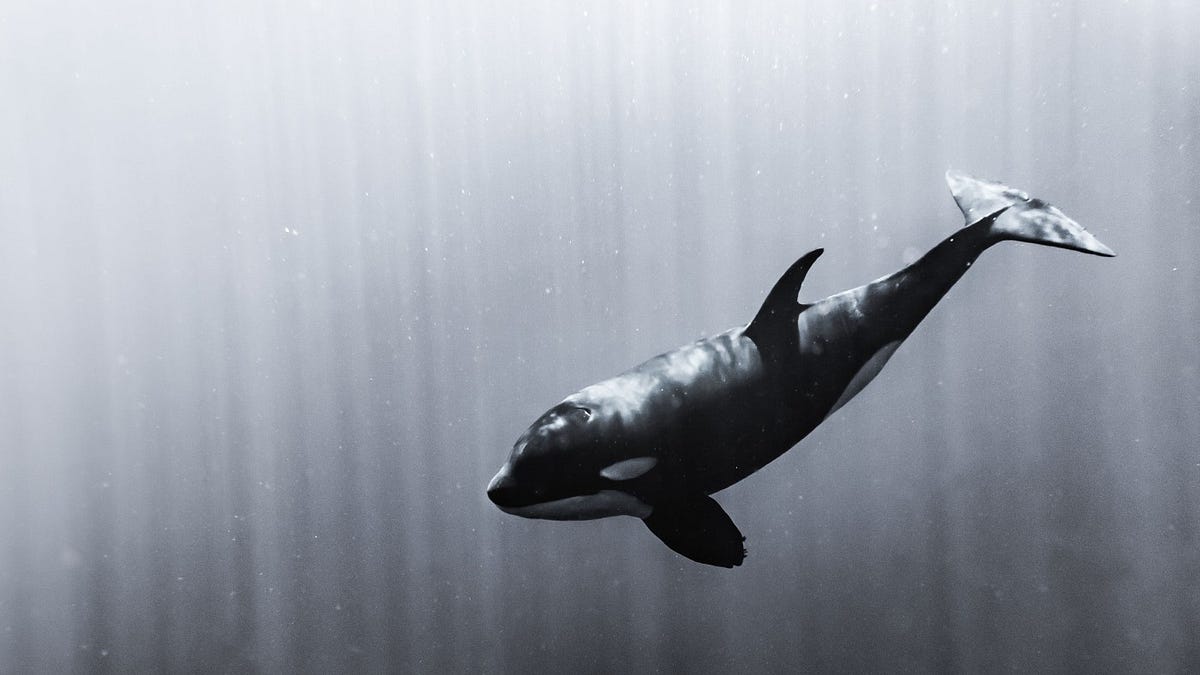
Menopause. We’re still struggling to reconcile modernity with the short human reproductive interval. But did you know that menopause is almost unknown outside of humans? Even the other great apes remain fertile for almost their entire lives. The only known exceptions are (1) killer whales, (2) pilot whales, (3) beluga whales, (4) false killer whales, (5) narwhals, and (6) one specific population of chimpanzees in Uganda.
Inuries. If your leg gets chopped off, that’s it, no more leg. Your body will try to grow scar tissue over the wound and then you’re on your own. But if you chop off the leg of a salamander it… grows a new leg. Isn’t that the obvious to do? Why don’t we do that?
Telomeres. The ends of your chromosomes have a little repetitive sequence called a telomere. When cells divide, the body tries to copy the DNA, but good-old DNA polymerase can’t quite copy all the way to the end, meaning the telomeres slowly get shorter. After dividing 50-70 times, the telomeres are gone, and the cells stop dividing and then slowly stop working. This is one of the many ticking clocks of aging.
Transplants. If you need a new kidney, and someone is nice enough to give you one of theirs, your body will respond by trying to kill it, meaning you have to take horrible immunosuppressants for the rest of your life. And even after taking them, there’s a 30% chance the kidney will be rejected within 10 years. This is not helpful.
Diabetes. Some day, your immune system may decide to attack your pancreas. After a while, your pancreas will stop making insulin, meaning that unless you reorient your entire life around keeping your blood sugar in check, your eyes, kidneys, nerves, and heart will constantly accumulate damage. Your immune system should not attack your pancreas.