// HACKER NEWS — CYBERSECURITY
500k facial scans at UK stations yield no arrests, 1 false positive
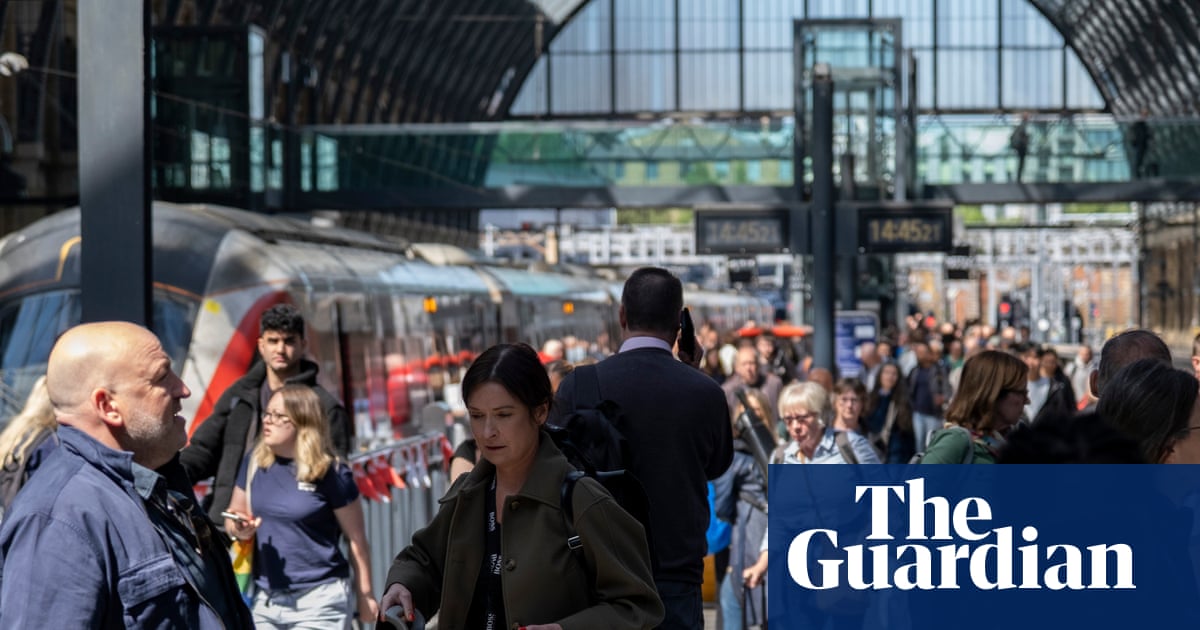
Freedom of information request finds six-month trial cost £320,000, used almost 100 police hours and led to just one – incorrect – alert
A six-month trial of live facial recognition (LFR) technology in London’s railway stations that cost more than £320,000 and almost 100 hours of police officers’ time led to one false match against a watchlist of suspects and no arrests.
More than half a million faces were scanned between February and July this year in some of the capital’s busiest transport hubs during the British Transport Police (BTP) trial of the surveillance technology, which aimed to help catch offenders and people breaching court orders.
A freedom of information document obtained by Liberty Investigates and shared with the Guardian shows that equipment hire and police staffing for the 18 deployments across the trial cost £320,786 and led to only one alert on a watchlist, which turned out to be an incorrect identification, also known as a false positive.
Last month BTP announced it was extending the trial for a further four months and expanding the deployments to include London Underground stations. British Transport Police said that since the extension there had been three positive confirmed alerts of people who were subsequently confirmed to be complying with sexual harm prevention orders or other imposed court conditions.
When Transport for London announced its support for the extension of the trial, it said LFR technology “will target and identify people on police watchlists at key stations chosen for maximum impact” and would “specifically tackle violence against women and girls, whose travel behaviours are shaped by experiences of sexual harassment and sexual offences”.
Fraser Sampson, a former biometrics and surveillance camera commissioner for the UK, said the police needed to show that the use of the technology was proportionate. “There many variables and all need to align: the choice of location, times of day, make up of the watchlist and likelihood of people being present and many more.”
Sampson, who is now a non-executive director of Facewatch, a company that operates facial recognition systems in shops, added: “We know the technology works, but using it in supermarkets to deter shoplifters and prevent attacks on staff is very different from deploying it to catch people on a public transport network.
“Success in a shop means no such people coming in. Success for the police trying to catch people means people being caught. In that respect the trial doesn’t appear to have been very fruitful.
“Everything depends on the police watchlists; if you’re not on a watchlist, the live FRT cameras do not ‘see’ you and they don’t retain your image in the same way as CCTV cameras.