// NATURE NEWS — SPAZIO & SCIENZA
Nature has rights — it is time the world recognized them
Juan Carlos Navarro is minister of the environment of the Republic of Panama in Panama City, Panama.
Search author on:
PubMed
Google Scholar
Callie Veelenturf is a marine biologist in Panama City, Panama, at the UN Harmony with Nature programme in New York City, New York, USA, a National Geographic Explorer and founder of the non-profit organization forNature.
Search author on:
PubMed
Google Scholar
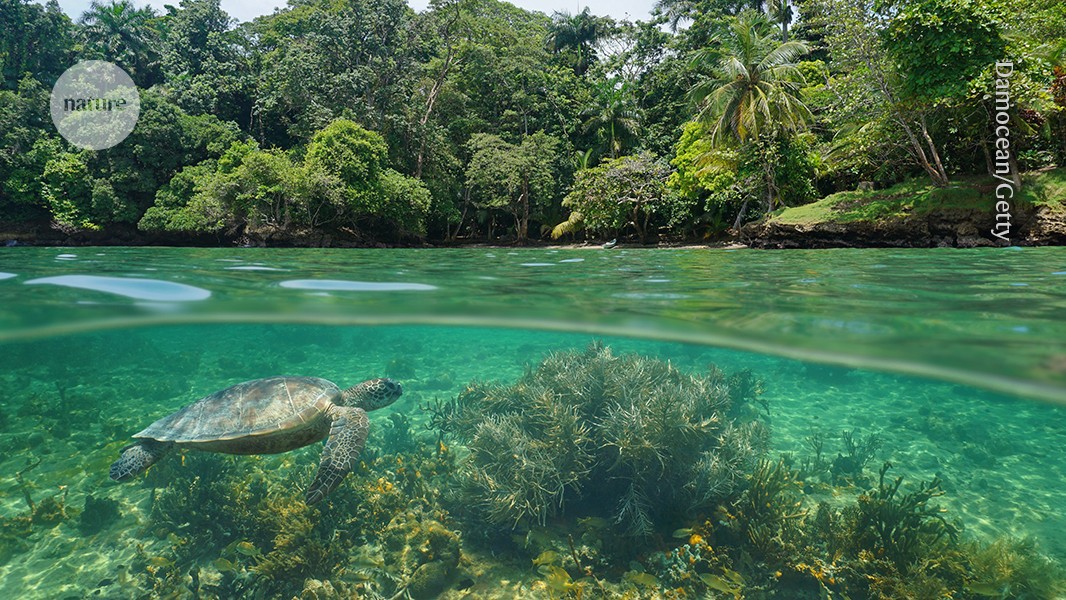
The natural world has too few legal protections. Credit: Damocean/Getty
Wildfires, heatwaves and unprecedented weather events are no longer breaking news, they’re our permanent backdrop. Yet again this year, we are facing the grave effects of a climate system that we have destabilized. We are watching the world experience painful and deadly climate extremes, while our collective response remains ‘too little, too late’.
Although we’re in need of hope, hope is never a plan. As a global society and as citizens of Earth, we urgently need a tangible shift in how our legal systems treat the living world. Recognizing the universal rights of nature is the answer.
Why environmental treaties must also address mental health
With this in mind, at this year’s United Nations General Assembly in New York City in September, the president of Panama, José Raúl Mulino, proposed recognizing the universal rights of nature. Panama’s goal is to usher in a UN Universal Declaration of the Rights of Nature, to recognize nature as a direct ‘subject of rights’ with intrinsic value.
Towards that end, on 24 September, Panama, Tonga and Vanuatu launched the For Nature Coalition of States, with Palau and Dominica among the founding members. This is designed to build dialogue around and support for a proposed intergovernmental process to recognize the rights of nature.