// PC GAMER — GAMING
Brigador devs: 'The '90s PC classics often taught really special things, but not because the story said, Wow, violence is bad!'
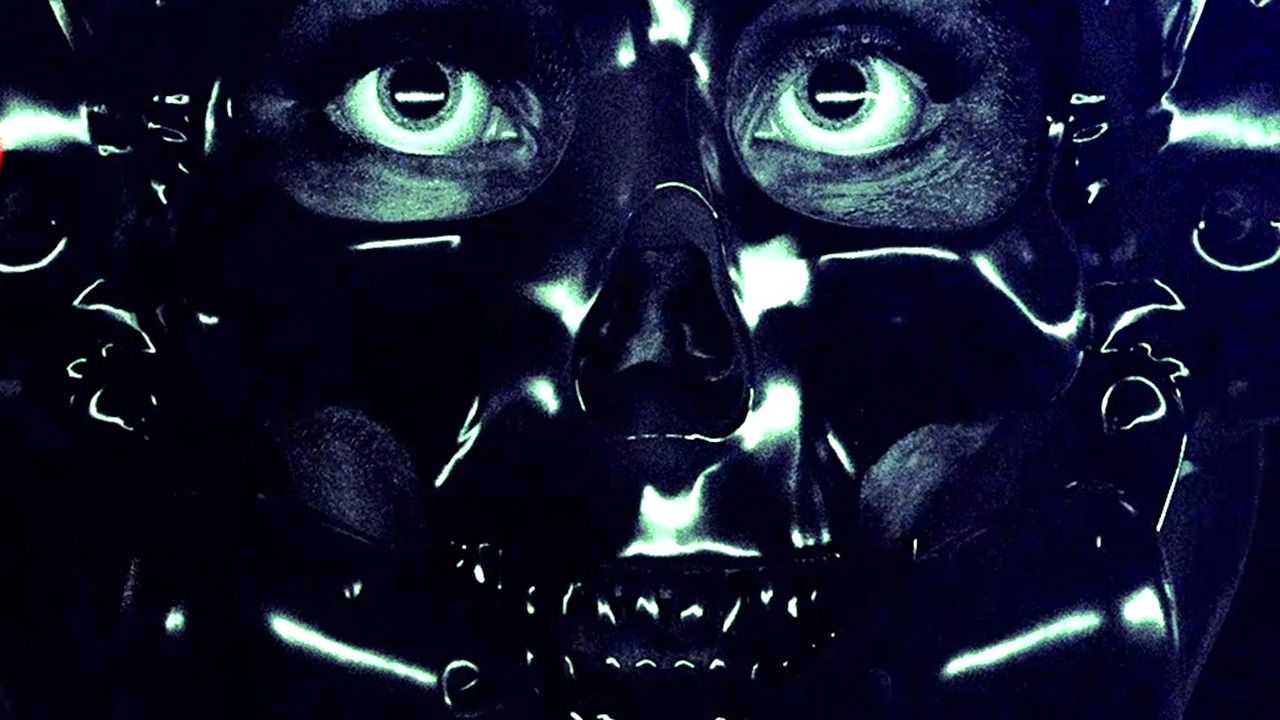
Brigador Killers wants to make you think, not tell you how to feel.
When you purchase through links on our site, we may earn an affiliate commission. Here’s how it works.
Brigador was a great sleeper hit of mech and simmy gaming, and studio Stellar Jockeys recently released its ambitious follow-up, Brigador Killers, into early access. I spoke to lead developers, brother duo Hugh and Jack Monahan, over the summer. They told me about the challenges of adding on-foot gameplay, the importance of not trying to please everyone, as well as why they emulate the "show, don't tell" morality and storytelling of '90s PC classics.
"We were not interested in morality systems. We are not interested in this sort of 'violence is bad' narrative. First of all, I think it's super hypocritical in super violent video games. I think Spec Ops: The Line is a great game, but the particular beat of the famous/infamous white phosphorus scene is saying, 'Look what you did,' and I go, 'I didn't do that, you, you did that!' I'm just here. I'm just playing the role that you gave me. Don't tell me I'm feeling bad.
"The '90s PC classics often taught really special things, but not because the story said, 'Wow, violence is bad!' It was because the original XCOM [taught me that] saving the world probably means selling a lot of alien corpses under the table. Like, wow, that's a lot of alien corpses that get sold to the black market. There's never a cutscene where a character goes, 'I can't believe you're selling these alien corpses,' and you go, 'We got to keep the lights on.'
"Ticking buttons in a spreadsheet, I go, 'Holy shit, this is kind of crazy.' But that's a natural consequence of working through the mechanics. We tried to deal with these sorts of questions. Yes, there are characters, and there is a story, but I don't think moralizing makes for a good story, and I don't think it makes for good games. I think interesting systems tell you—and possibly teach you—a lot more than a story is going to."
"A personal anecdote from my end is Crusader: No Remorse, which is something that anyone who's in our orbit knows is a major inspiration on Killers. I have this very vivid memory as a kid: I played through it for the first time, and I was too young to really understand any of the political or thematic elements of the game. It was just cool, Boba Fett-looking guy running around, shooting people, very satisfying.
"I was about 13 or 14 when I went to play it again, and this time I was just old enough that I'm actually thinking about the actions and everything, and I remember I installed the game. I was very excited, and you open up in that first mission in Crusader, and there's a security guard, bang bang, take him out. And then there's a civilian who will put his hands up, and he says, 'You're not supposed to be here.'
"I was like, I'm not going to shoot him, I understand that's a civilian, and I walk by him, and he goes and hits the alarm button, and I went, 'You son of a…' And I turned, whipped around, and, like, entirely involuntarily took him out, and then I just went, 'What have I done?'
"I quit the game, and I uninstalled it, and I couldn't touch it for another couple of years, because it hit me at that right moment. To bring that back around to what Jack was saying, I find that those moments that I personally have had all were unprompted. They were all things that were driven from my own behavior within the game, and as a result, the kind of personal revelation that can happen around it is much more powerful if I'm coming to those conclusions on my own.